
Medigap premiums leap, and consumers have few alternatives
Medicare supplemental insurance costs are climbing sharply, leaving many older Americans with limited options to manage rising out-of-pocket healthcare expenses. Recent filings present double-digit increases for popular Medigap plans, with some insurers seeking rate hikes exceeding 25% in early 2026. These jumps come as traditional Medicare beneficiaries face higher premiums, deductibles, and coinsurance amounts, intensifying financial pressure on fixed-income seniors. While Medigap policies have long provided predictable coverage for gaps in Original Medicare, the latest premium surges are testing the affordability of this safety net for millions who rely on it to avoid catastrophic medical bills.
What’s driving the sharp increase in Medigap premiums?
Insurers attribute the premium jumps to rising healthcare utilization and claims costs among Medigap enrollees. Actuarial analyses from state insurance filings indicate that medical inflation, particularly for hospital and skilled nursing services, is outpacing premium income for several carriers. In the first quarter of 2026, rate increase requests for Plan G—the most widely selected Medigap option—ranged from just over 12% to more than 26% across multiple states, according to data compiled by Telos Actuarial, a Nebraska-based consulting firm. These figures reflect a broader trend: after years of relatively stable pricing, insurers are adjusting rates to align with actual claims experience.
The situation is compounded by the fact that Medigap premiums can change at any time, not just on policy renewal dates. This practice caught many consumers off guard in mid-2025 when Chubb implemented an immediate 45% increase for over 80 policyholders in Illinois, a move described by local broker John Jaggi as unprecedented in his nearly five decades in the industry. “I’ve never seen a premium increase be effective immediately on everyone, instead of on their policy anniversary,” Jaggi said, noting the scramble to find more affordable alternatives for affected clients.
Who is most affected by these premium jumps?
Approximately 12 million people—about 43% of those enrolled in Original Medicare—purchase a Medigap policy to help cover deductibles, copayments, and coinsurance that Medicare doesn’t pay. These individuals tend to be older, with many living on fixed incomes from Social Security or retirement savings. For them, even a moderate premium increase can represent a significant portion of their monthly budget.
The financial strain is especially acute for those who lack alternative forms of supplemental coverage. While some beneficiaries receive retiree health benefits through former employers, and others opt for Medicare Advantage plans, roughly 13% of traditional Medicare enrollees have no supplemental insurance at all, according to KFF. This group faces potentially unlimited out-of-pocket exposure if they require serious medical care, as Original Medicare has no annual cap on spending.
Beneficiaries choosing Medigap over Medicare Advantage often cite provider freedom as a key factor. Unlike private Medicare Advantage plans, which typically operate within provider networks and may require referrals, Medigap policies allow holders to see any doctor or specialist nationwide who accepts Medicare. This flexibility is particularly valuable for those who travel frequently, live in rural areas with limited provider options, or have established relationships with specialists outside plan networks.
How do these increases compare to broader Medicare cost trends?
The Medigap premium jumps are occurring alongside other upward adjustments in the Medicare program. For 2026, the standard Part B premium is set to rise to $202.90 per month—a nearly 10% increase from 2025 levels. The Part B deductible will increase from $257 to $283, while the Part A hospital deductible will climb to $1,736, up $60 from the current year. Coinsurance rates for extended hospital stays and skilled nursing facility care are also rising.
Though Social Security recipients will receive a cost-of-living adjustment averaging about $56 per month in 2026, this increase is expected to be largely absorbed by higher Medicare expenses. Many seniors may see little to no net gain in their disposable income despite the annual adjustment.
These concurrent increases create a compounding effect: not only are baseline Medicare costs rising, but the supplemental insurance designed to mitigate those costs is becoming more expensive as well. For individuals on tight budgets, this dual pressure can force difficult choices between maintaining coverage and covering other essentials like housing, food, or utilities.
Why do insurers say they demand to raise rates?
Carriers filing for premium increases argue that their current rates no longer reflect the true cost of covering claims. Brett Mushett, a consulting actuary with Telos Actuarial, explained that the recent filings represent an effort to “correct their premium rates in light of upward pressure on their claims experience.” In other words, insurers are responding to higher-than-anticipated medical spending among their Medigap enrollees.
This dynamic is not unique to Medigap but reflects broader challenges in the health insurance industry, where medical inflation, aging populations, and post-pandemic care utilization patterns are influencing risk projections. However, unlike employer-sponsored or Affordable Care Act plans, Medigap premiums are not subsidized and are subject to less frequent regulatory review in many states, which can allow for sharper adjustments when insurers seek to realign pricing.
It’s worth noting that while some states have robust rate review processes that scrutinize insurer justifications, others rely more heavily on market competition to keep prices in check. In areas with fewer competing Medigap carriers, consumers may have limited leverage to negotiate or switch plans without facing medical underwriting—especially if they attempt to change coverage outside of their initial enrollment window or a guaranteed issue period.
What options do consumers have when premiums rise?
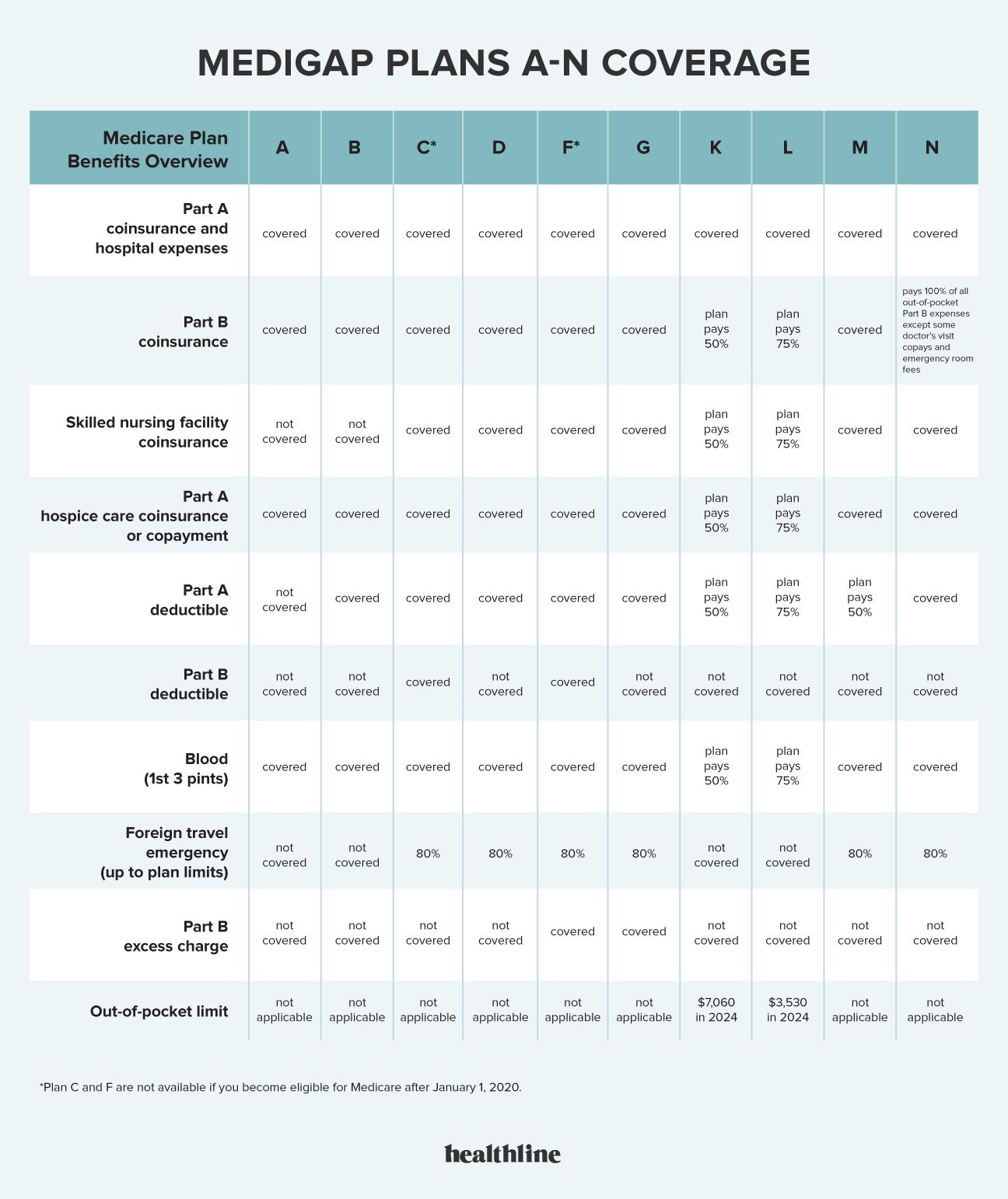
When faced with a significant Medigap premium increase, beneficiaries have several potential paths, though each comes with trade-offs. The most straightforward option is to shop for a different Medigap plan offering similar benefits at a lower cost. Since Medigap plans are standardized by federal law (with plans labeled A through N), a Plan G from one insurer offers the same core coverage as a Plan G from another, making price comparison relatively simple.
However, switching insurers is not always easy. Outside of the initial Medigap open enrollment period—which begins when a person first enrolls in Medicare Part B and lasts six months—insurers in most states can utilize medical underwriting to determine eligibility, and pricing. Which means pre-existing conditions could lead to higher premiums or denial of coverage when attempting to change carriers later in life.
Some states offer additional protections. For example, California, Connecticut, New York, and Vermont have birthday rules that allow beneficiaries to switch to a comparable Medigap plan without underwriting around their annual policy anniversary. A few other states provide similar limited guarantees. But in the majority of jurisdictions, medical underwriting remains a barrier to changing coverage after the initial enrollment window.
Another alternative is to consider a Medicare Advantage plan, which often features lower or zero monthly premiums and may include extra benefits like dental, vision, or hearing coverage. However, these plans operate differently: they replace Original Medicare with a private insurance model that typically includes provider networks, prior authorization requirements, and potential out-of-network costs. For those who value unrestricted access to providers, this trade-off may not be acceptable.
Beneficiaries who drop their Medigap coverage entirely risk exposure to unlimited out-of-pocket costs under Original Medicare. Without supplemental insurance, there is no cap on what a person could owe for deductibles, coinsurance, or copayments in a given year—a significant risk for anyone facing a major illness or prolonged hospitalization.
Are there legislative or regulatory efforts to address Medigap affordability?
As of early 2026, there are no major federal proposals specifically targeting Medigap premium regulation. Unlike Medicare Advantage or Part D prescription drug plans, Medigap policies are primarily regulated at the state level, with oversight varying widely across jurisdictions. Some consumer advocacy groups have called for stronger federal standards to limit how often and by how much insurers can raise premiums, particularly for long-term policyholders.
Industry analysts note that any move toward greater federal involvement would likely face resistance from insurers who value state-based flexibility in pricing and product design. At the same time, consumer representatives argue that the current system leaves many seniors vulnerable to sudden, unexplained cost increases, especially when they lack the ability to switch plans due to health or age-related underwriting barriers.
For now, the primary recourse for consumers remains careful annual review of their Medigap options during Medicare’s open enrollment period (October 15 to December 7), comparison shopping where permitted, and staying informed about state-specific rules that may allow plan changes without medical underwriting.
Key considerations for beneficiaries evaluating their coverage
When assessing whether to keep, change, or drop a Medigap policy, individuals should weigh several factors:
- Health status and utilization: Those with chronic conditions or frequent healthcare needs may benefit most from the predictability of Medigap coverage, even at higher premiums.
- Financial resilience: Beneficiaries should consider whether they could absorb unexpected out-of-pocket costs under Original Medicare if they were to drop supplemental coverage.
- Provider access needs: Those who travel, live in areas with limited provider networks, or have long-standing relationships with specialists outside plan restrictions may find Medigap’s nationwide access invaluable.
- State-specific rules: Understanding whether your state offers guaranteed issue rights for plan changes (such as birthday rules) can expand your options without triggering medical underwriting.
- Long-term affordability: Given the trend of rising premiums, projecting future costs over several years may be more informative than focusing solely on the current year’s increase.
Experts consistently advise against making coverage decisions based solely on price. While lower premiums are attractive, the value of Medigap lies in its ability to shield beneficiaries from unpredictable and potentially devastating medical expenses. For many, that peace of mind remains worth the cost—even as that cost continues to rise.
The trajectory of Medigap pricing will likely depend on a combination of healthcare cost trends, insurer claims experience, and state regulatory actions. Until there is broader reform or market shifts that increase competition and transparency, beneficiaries are encouraged to stay vigilant, review their options annually, and seek guidance from trusted sources when evaluating their supplemental coverage needs.
Frequently asked questions about rising Medigap premiums
Why did my Medigap premium increase so much this year?
Insurers typically cite rising healthcare costs and higher-than-expected claims as the primary reasons for premium increases. These adjustments are meant to align premiums with the actual cost of covering benefits. In some cases, increases may also reflect changes in how insurers assess risk or administrative expenses.
Can I switch to a different Medigap plan if my premium goes up?
It depends on your timing and location. During your initial six-month Medigap open enrollment period, you can switch plans without medical underwriting. Outside that window, most states allow insurers to use medical underwriting, which could affect your eligibility or pricing. A few states offer annual guaranteed issue rights, such as birthday rules, that let you switch to a comparable plan without underwriting.
Is Medicare Advantage a better option if Medigap premiums are too high?
Medicare Advantage plans often have lower premiums and may include extra benefits, but they come with provider networks, referral requirements, and potential out-of-pocket limits that differ from Medigap. Whether it’s a better fit depends on your healthcare needs, preferred providers, and tolerance for plan rules and authorization processes.
What happens if I drop my Medigap coverage?
Without Medigap, you would be responsible for all Original Medicare out-of-pocket costs, including deductibles, coinsurance, and copayments. There is no annual limit on what you could owe under Original Medicare alone, which could result in significant expenses if you require extensive medical care.
Are there any protections against frequent or large Medigap premium increases?
Protections vary by state. Some states have robust rate review processes that require insurers to justify increases, while others rely more on market competition. A handful of states offer guaranteed issue rights for plan changes under specific circumstances, but in most locations, medical underwriting can apply when switching carriers outside the initial enrollment period.
How can I tell if I’m paying a fair price for my Medigap plan?
Because Medigap plans are standardized, you can compare premiums for the same plan type (e.g., Plan G) across different insurers in your area. Online tools from state insurance departments or trusted nonprofit organizations can help you evaluate whether your rate is competitive. Keep in mind that the lowest price isn’t always the best value if it comes with poor customer service or claims handling.
