
Two More Children Die of Measles-Like Symptoms: Bangladesh Faces Escalating Health Crisis
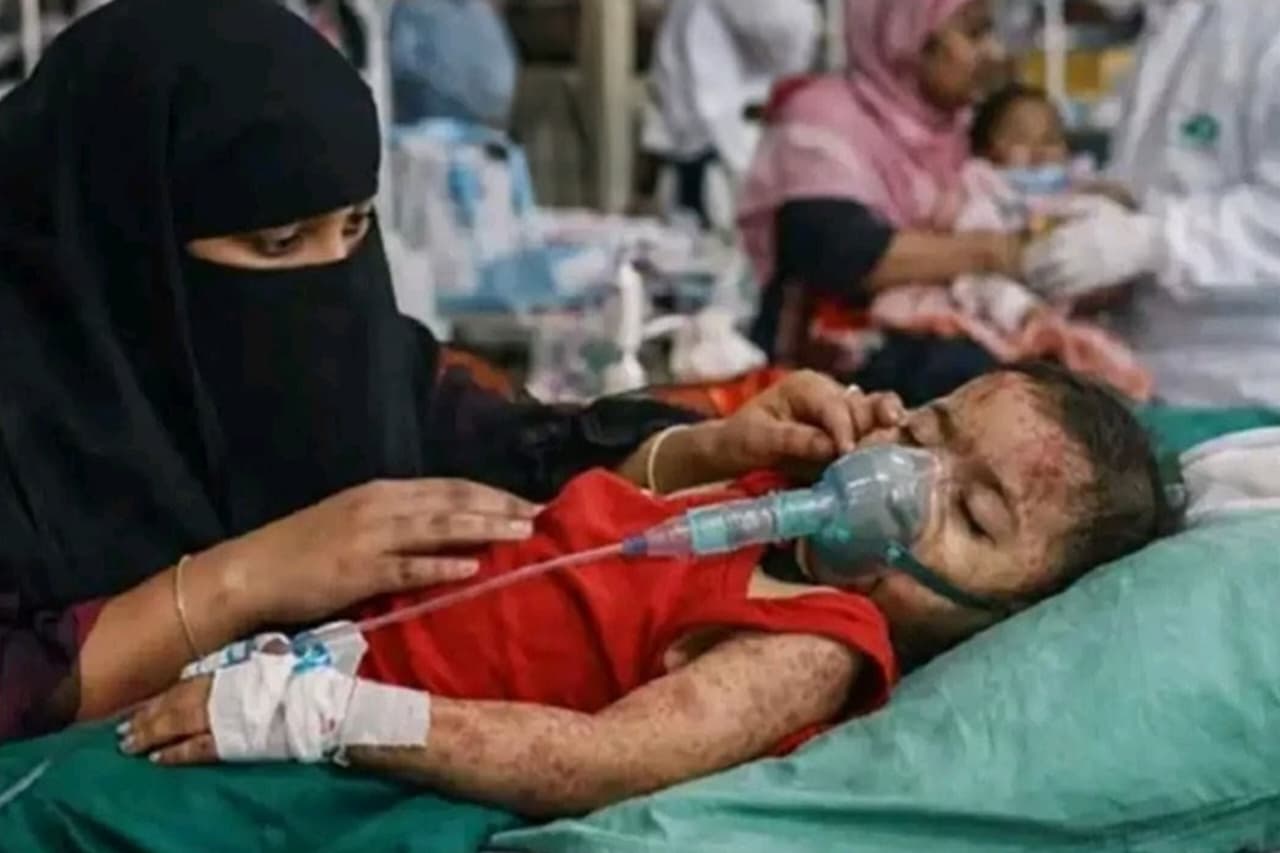
The public health landscape in Bangladesh has taken a grim turn as reports emerge that two more children die of measles-like symptoms – The Daily Star and other regional outlets have flagged this as part of a wider, more systemic surge in preventable childhood illnesses. These latest fatalities are not isolated incidents but are the most recent casualties in a rapidly expanding outbreak that has seen tens of thousands of children fall ill across several districts in a matter of weeks.
What began as sporadic clusters of infections has evolved into a full-scale health emergency. With cases skyrocketing, the tragedy highlights a precarious gap in immunization coverage and the fragile state of rural healthcare delivery. As the death toll climbs in regions like Sylhet, Mymensingh, and Faridpur, the situation serves as a stark reminder of how quickly a vaccine-preventable disease can reclaim territory when public health vigilance wavers.
The Scale of the Outbreak: A Statistical Overview
The current surge is characterized by its speed and volume. Within a window of just two and a half months, the number of reported measles cases has surpassed 70,000. This astronomical figure indicates a level of community transmission that suggests a significant portion of the pediatric population remains susceptible to the virus.
While the headline focuses on the most recent deaths, the broader data paints a more disturbing picture. The virus is not merely spreading; it is hitting the most vulnerable populations—unvaccinated or under-vaccinated children—with lethal efficiency. The “measles-like symptoms” cited in many reports often refer to the clinical presentation of high fever, cough, runny nose, and the characteristic maculopapular rash, which are hallmarks of the measles virus (Rubeola).
| Key Metric | Estimated Impact / Value | Timeframe |
|---|---|---|
| Total Reported Cases | 70,000+ | Last 2.5 Months |
| Primary Affected Regions | Sylhet, Mymensingh, Faridpur | Ongoing |
| Primary Demographic | Children under 5 years | Ongoing |
| Disease Classification | Vaccine-Preventable (Measles) | N/A |
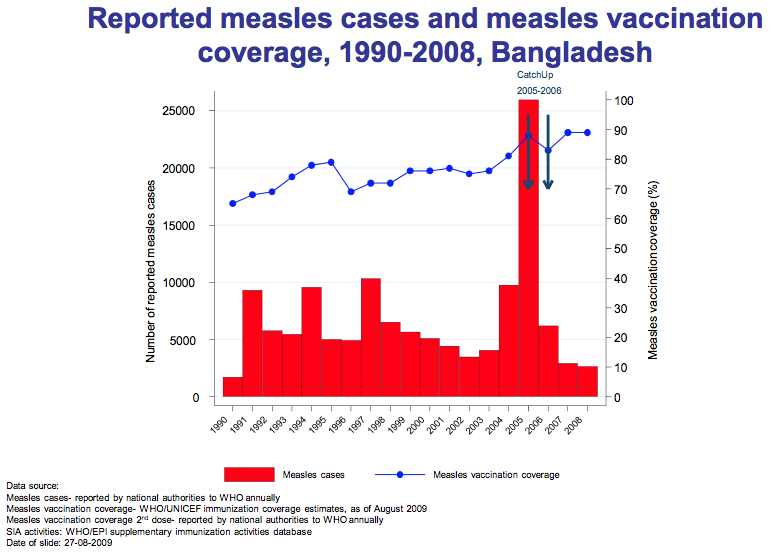
The rapid escalation suggests that the outbreak is not a result of a new strain of the virus, but rather a collapse in “herd immunity.” When vaccination rates drop below the critical threshold (usually around 95% for two doses of the MMR vaccine), the virus finds easy pathways through the population, leading to the exponential growth currently witnessed in Bangladesh.
Geographic Hotspots: Why Sylhet, Mymensingh, and Faridpur?
The concentration of deaths and infections in Sylhet, Mymensingh, and Faridpur is not coincidental. These areas share several socio-economic and geographic vulnerabilities that make them breeding grounds for infectious diseases.
The Vulnerability of Faridpur
Faridpur has become a focal point of the crisis, with multiple reports of child fatalities. The region often struggles with healthcare accessibility, where remote villages lack the infrastructure to provide timely vaccinations. When a child presents with “measles-like symptoms,” the delay in reaching a secondary care facility often means that complications—such as pneumonia or encephalitis—set in before treatment can begin.
The Crisis in Sylhet and Mymensingh
In Sylhet and Mymensingh, the surge is compounded by population density and the movement of people. Sylhet, in particular, has a high volume of migrant movement and diverse socio-economic pockets where marginalized communities may be missed by standard government health outreach programs. Mymensingh’s rural outskirts have similarly seen a spike, suggesting that the “last mile” of vaccine delivery is where the system is failing most acutely.

Key factors contributing to regional spikes include:
- Limited Cold Chain Infrastructure: Vaccines require strict temperature control; failures in the “cold chain” in rural areas can render vaccines ineffective.
- Healthcare Worker Shortages: A lack of trained personnel to conduct door-to-door immunization campaigns.
- Geographic Isolation: Flooding and poor road infrastructure in these districts often hinder the movement of health teams.
Understanding the Pathogen: Why Measles is So Deadly
To understand why the news that two more children die of measles-like symptoms – The Daily Star is so alarming, one must understand the nature of the measles virus. Measles is one of the most contagious diseases known to man. It is an airborne virus that can remain suspended in the air for up to two hours after an infected person has left the room.
The Progression of the Disease
The illness typically begins with a high fever, cough, and conjunctivitis. A few days later, the signature rash appears. While many children recover, measles is notorious for “immune amnesia.” The virus wipes out the body’s memory of other pathogens, leaving the child vulnerable to secondary infections for months or even years after the initial illness.
Lethal Complications
The deaths reported in Bangladesh are rarely caused by the rash itself, but by the complications that follow:
- Severe Pneumonia: The most common cause of measles-related death in children.
- Encephalitis: Swelling of the brain that can lead to permanent neurological damage or death.
- Severe Diarrhea: Leading to dehydration and malnutrition, which further weakens the immune system.
“Measles is not just a childhood rash; it is a systemic attack on the immune system. In malnourished children, the mortality rate spikes because the body lacks the protein and vitamin A necessary to fight off the secondary bacterial pneumonia that often follows the virus.”
The Root Causes: How Did we Get Here?
A surge of 70,000 cases in such a short window points to a systemic failure. Several intersecting factors have created a “perfect storm” for this outbreak.
The “COVID-19 Shadow” Effect
The global pandemic disrupted routine immunization schedules worldwide. In Bangladesh, lockdowns and the redirection of healthcare resources toward COVID-19 meant that millions of children missed their scheduled doses of the Measles-Rubella (MR) vaccine. This created a massive “immunity gap”—a generation of children who are biologically unprotected.
Vaccine Hesitancy and Misinformation
While less prevalent than in some Western nations, misinformation regarding vaccine safety has crept into certain rural pockets of Bangladesh. Rumors about side effects or religious misconceptions can lead parents to avoid immunization clinics, leaving their children exposed.
Socio-Economic Barriers
For the extreme poor, the “cost” of vaccination is not the vaccine itself (which is usually free), but the opportunity cost. A parent who must lose a day’s wages to travel to a clinic may delay the appointment, providing a window for the virus to strike.
For more information on how these gaps are addressed, you may find a related explainer on global immunization strategies useful.
The Public Health Response: Challenges and Imperatives
The government and international health bodies are now racing to contain the spread. However, reacting to an outbreak is significantly harder than preventing one.
Emergency Vaccination Campaigns
The immediate priority is “mop-up” campaigns—intensive, short-term vaccination drives designed to reach every child in the affected districts regardless of their previous vaccination status. These campaigns are critical to breaking the chain of transmission.
Vitamin A Supplementation
World Health Organization (WHO) guidelines emphasize the administration of Vitamin A to children diagnosed with measles. Vitamin A helps maintain the integrity of the respiratory and intestinal linings, significantly reducing the risk of blindness and death from pneumonia.
Improving Surveillance
One of the biggest hurdles is the “measles-like symptoms” label. Without laboratory confirmation (blood tests or throat swabs), it is challenging to track the exact mutation or spread of the virus. Strengthening the laboratory network in Sylhet and Mymensingh is essential for data-driven decision-making.
Common Misconceptions About the Measles Outbreak
In times of crisis, misinformation often spreads faster than the virus. It is important to clarify several points:
- Misconception: “Measles is a mild childhood illness.”
Reality: While some recover without issue, measles is a leading cause of death among young children globally due to its severe complications. - Misconception: “If my child had a similar rash before, they are immune.”
Reality: Many other viruses (like Rubella or Roseola) cause rashes. Only a confirmed measles infection or a full course of vaccination provides immunity. - Misconception: “The vaccine causes the disease.”
Reality: The MR vaccine uses a weakened form of the virus that cannot cause the disease in healthy individuals but teaches the immune system how to fight it.
Long-Term Implications for Bangladesh’s Healthcare
The current crisis is a symptom of a larger issue: the fragility of the primary healthcare system. If Bangladesh cannot maintain high vaccination rates during periods of social or political instability, it will remain vulnerable to recurring outbreaks.
The long-term solution requires more than just emergency vaccines. It requires:
- Digital Health Records: Moving away from paper-based tracking to ensure no child “falls through the cracks.”
- Community Health Volunteers: Empowering local leaders to combat vaccine hesitancy.
- Integrated Care: Combining vaccination drives with nutrition and sanitation programs to build overall child resilience.
The tragedy of children dying from a disease that has a safe, effective, and cheap vaccine is an avoidable failure. The reports that two more children die of measles-like symptoms – The Daily Star are not just news headlines; they are an urgent call for a systemic overhaul of pediatric care in the region.
Frequently Asked Questions
What are the primary symptoms of measles to watch for?
Parents should look for a high fever, cough, runny nose, and red, watery eyes. A few days later, a red-brown blotchy rash usually appears on the face and spreads downward to the neck, trunk, and extremities.
Is the measles vaccine safe for all children?
The Measles-Rubella (MR) vaccine is globally recognized as safe and effective. However, it is generally not recommended for children with severe allergies to vaccine components or those with severely compromised immune systems (e.g., advanced HIV or certain cancers). Always consult a healthcare provider.
Why is the outbreak particularly bad in Sylhet and Faridpur?
These regions suffer from a combination of lower immunization coverage, limited access to cold-chain storage for vaccines, and higher rates of childhood malnutrition, which makes the virus more lethal.
Can adults get measles, or is it only for children?
Anyone who is not immune (either through vaccination or previous infection) can contract measles, including adults. While adults may experience more severe complications, the highest mortality rates are seen in children under five.
What should I do if I suspect my child has measles?
Isolate the child immediately to prevent further spread and seek medical attention. Ensure the child stays hydrated and ask your doctor about Vitamin A supplementation, which is critical in reducing the severity of the disease.
As the situation evolves, the focus must remain on aggressive vaccination and the strengthening of rural health outposts. The goal is to ensure that no more families have to endure the loss of a child to a disease that science solved decades ago. Monitoring the recovery of these districts will be the primary metric of success for the health ministry in the coming months.
