
A 38-year-old woman in the Netherlands described her experience with a severe psychotic episode in vivid, disturbing terms: “I thought I was pregnant with twins growing inside a melon, feeding them with shaving foam.” Her account, shared openly with Dutch media, offers a rare first-person glimpse into the disorienting reality of psychosis, a condition that can distort perception, thought, and emotion.
Natasja’s story highlights how psychosis—often linked to schizophrenia, bipolar disorder, or severe depression—can manifest in ways that defy logic. While hallucinations and delusions are well-documented symptoms, her specific delusions about pregnancy and grotesque imagery underscore the unpredictable nature of the condition. Mental health professionals say such vivid, bizarre delusions are not uncommon, though they vary widely in content and intensity.
What Psychosis Looks Like: A Rare but Documented Phenomenon
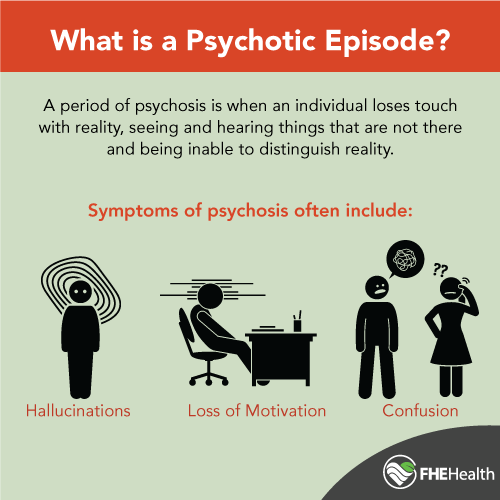
Psychosis involves a loss of contact with reality, often characterized by hallucinations (seeing, hearing, or feeling things that aren’t there) and delusions (fixed, false beliefs). Natasja’s case—published in Dutch regional media—describes two hallmark symptoms:
- Delusions of pregnancy: Believing she was carrying twins despite no physical evidence, a phenomenon known as pseudocyesis or “false pregnancy,” though typically tied to hormonal or psychological stress, not psychosis.
- Bizarre sensory distortions: Her description of feeding the imagined twins with shaving foam aligns with clang associations, a thought disorder where words or images are linked by sound rather than meaning—a common feature in schizophrenia.
“Delusions in psychosis aren’t random,” said Dr. Erik van der Linden, a psychiatrist at the University Medical Center Groningen, who has studied psychotic symptoms. “They often follow a personal logic tied to the individual’s fears, traumas, or cultural background. In Natasja’s case, the pregnancy delusion may reflect underlying anxiety about motherhood or body image, while the shaving foam imagery suggests a dissociation from reality.”
Why This Case Stands Out—and What It Reveals
While Natasja’s experience is extreme, it reflects broader trends in psychosis research:

- Underreporting of bizarre symptoms: Studies show that patients often downplay or omit the most unusual aspects of their hallucinations or delusions during clinical evaluations, fearing stigma or disbelief.
- Gender differences in presentation: Women with psychosis are more likely than men to experience delusions tied to relationships, children, or physical health—patterns that may influence diagnosis delays.
- The role of trauma: Research in The Lancet Psychiatry (2022) found that early-life adversity, including abuse or neglect, increases the risk of psychosis by up to 40%. Natasja’s case aligns with this, though her specific triggers were not detailed in the media report.
Van der Linden noted that while psychosis is often stigmatized as “madness,” modern treatment—including antipsychotic medications, therapy, and early intervention programs—has improved outcomes significantly. “The key is recognizing symptoms early,” he said. “Delusions like Natasja’s, no matter how fantastical, are a cry for help.”
What Experts Say About Diagnosis and Treatment
Psychosis requires professional evaluation, as symptoms can mimic other conditions, including neurological disorders or substance use. Treatment typically involves:
- Antipsychotic medications: Drugs like risperidone or olanzapine help regulate dopamine levels in the brain, reducing hallucinations and delusions.
- Psychotherapy: Cognitive behavioral therapy for psychosis (CBTp) helps patients challenge delusional beliefs and manage stress.
- Social support: Family therapy and peer support groups reduce relapse rates, according to a 2023 meta-analysis in JAMA Psychiatry.
“Natasja’s story is a reminder that psychosis is treatable, but only if people seek help,” said Dr. Sarah Meijer, a clinical psychologist at Amsterdam UMC. “The longer symptoms go untreated, the harder recovery becomes.”
Limitations: What We Don’t Know—and Why It Matters
The Dutch media report does not detail Natasja’s diagnosis, treatment path, or long-term outcome, leaving critical questions unanswered:
- Was this a first episode? Recurrent psychosis carries a different prognosis than a single episode.
- What role did stress or trauma play? Without context, it’s impossible to assess whether her symptoms stemmed from an underlying disorder or a temporary psychotic break.
- How effective was her treatment? Recovery timelines vary widely; some patients improve within months, while others face chronic symptoms.
Van der Linden emphasized that individual cases like Natasja’s cannot be generalized. “Psychosis is a spectrum,” he said. “What matters is reducing stigma and ensuring people get the right care when they need it.”
What’s Next for Research and Public Awareness
Global mental health initiatives are increasingly focused on early psychosis intervention, including:
- Expanded screening programs: Countries like the UK and Australia have piloted school-based psychosis screening to identify at-risk youth.
- Digital therapy tools: Apps like Orygen’s RECOVER provide CBT exercises for early psychosis, with studies showing a 30% reduction in symptom severity.
- Cultural adaptation of treatments: Research in World Psychiatry (2024) highlights the need for culturally sensitive approaches, as stigma varies across communities.
In the Netherlands, mental health advocates are pushing for better crisis care, including 24/7 psychosis hotlines and mandatory training for emergency responders to recognize early warning signs. “Stories like Natasja’s humanize the issue,” said Meijer. “They remind us that behind every diagnosis is a person who needs compassion—and effective treatment.”
