Gene Therapy Successfully Treats Deadly Childhood Liver Disease in Mice – News-Medical
Researchers have successfully used gene therapy to reverse a fatal childhood liver disease in mice, according to reports from News-Medical. The treatment restores essential protein function in the liver, extending survival and improving organ health in animal models, which provides a potential framework for future human pediatric therapies.
How the Gene Therapy Treatment Works in Mouse Models
The study focuses on a genetic deficiency that causes rapid liver failure in pediatric subjects. In these cases, a mutation prevents the liver from producing a critical protein or enzyme, leading to the accumulation of toxins or the failure of essential metabolic processes. According to the research detailed by News-Medical, the team utilized a viral vector to deliver a functional copy of the missing gene directly into the hepatocytes, the primary functional cells of the liver.
The process involves several precise steps to ensure the gene reaches its target without triggering a lethal immune response:
- Vector Selection: Scientists typically use Adeno-Associated Virus (AAV) vectors because they do not cause disease in humans and have a high affinity for liver tissue.
- Gene Loading: A healthy, synthetic version of the defective gene is packaged inside the viral shell.
- Administration: The vector is injected into the bloodstream, where it migrates to the liver and enters the cells.
- Protein Expression: Once inside the nucleus, the new gene begins producing the missing protein, restoring the liver’s ability to filter toxins or manage metabolism.
In the mice tested, this intervention prevented the onset of liver failure and allowed the animals to maintain normal physiological functions. The News-Medical report indicates that the treated mice showed significantly higher survival rates compared to the control group, which suffered from the natural progression of the disease.
Why This Development is Critical for Childhood Liver Disease
Many childhood liver diseases are metabolic disorders, such as Urea Cycle Disorders (UCDs) or Lysosomal Storage Diseases. These conditions are often “deadly” because they manifest shortly after birth. Without immediate and aggressive intervention, the buildup of ammonia or other metabolic byproducts causes irreversible brain damage and organ failure. According to medical literature, the standard of care has historically been limited to restrictive diets, lifelong medication, or liver transplantation.
The success of this gene therapy in mice is significant because it addresses the root cause—the genetic mutation—rather than managing the symptoms. A liver transplant, while life-saving, introduces a new set of lifelong challenges, including the risk of organ rejection and the need for permanent immunosuppressant drugs, which leave children vulnerable to infections. A successful gene therapy would theoretically eliminate the need for a transplant by turning the patient’s own liver into a functional organ.
Key points regarding the impact of this research:
- Reduced Dependency: Potential to move away from restrictive dietary regimens that often fail to prevent metabolic crises.
- Avoidance of Surgery: Reducing the reliance on high-risk pediatric liver transplants.
- Early Intervention: The possibility of treating infants before permanent neurological damage occurs.
The Role of Viral Vectors in Liver-Targeted Delivery
The delivery mechanism is as important as the gene itself. The liver is an ideal target for gene therapy because it is highly vascularized, meaning it receives a large volume of blood, making it easier for systemic injections to reach the target cells. However, the liver is also the primary site for the body’s immune surveillance.
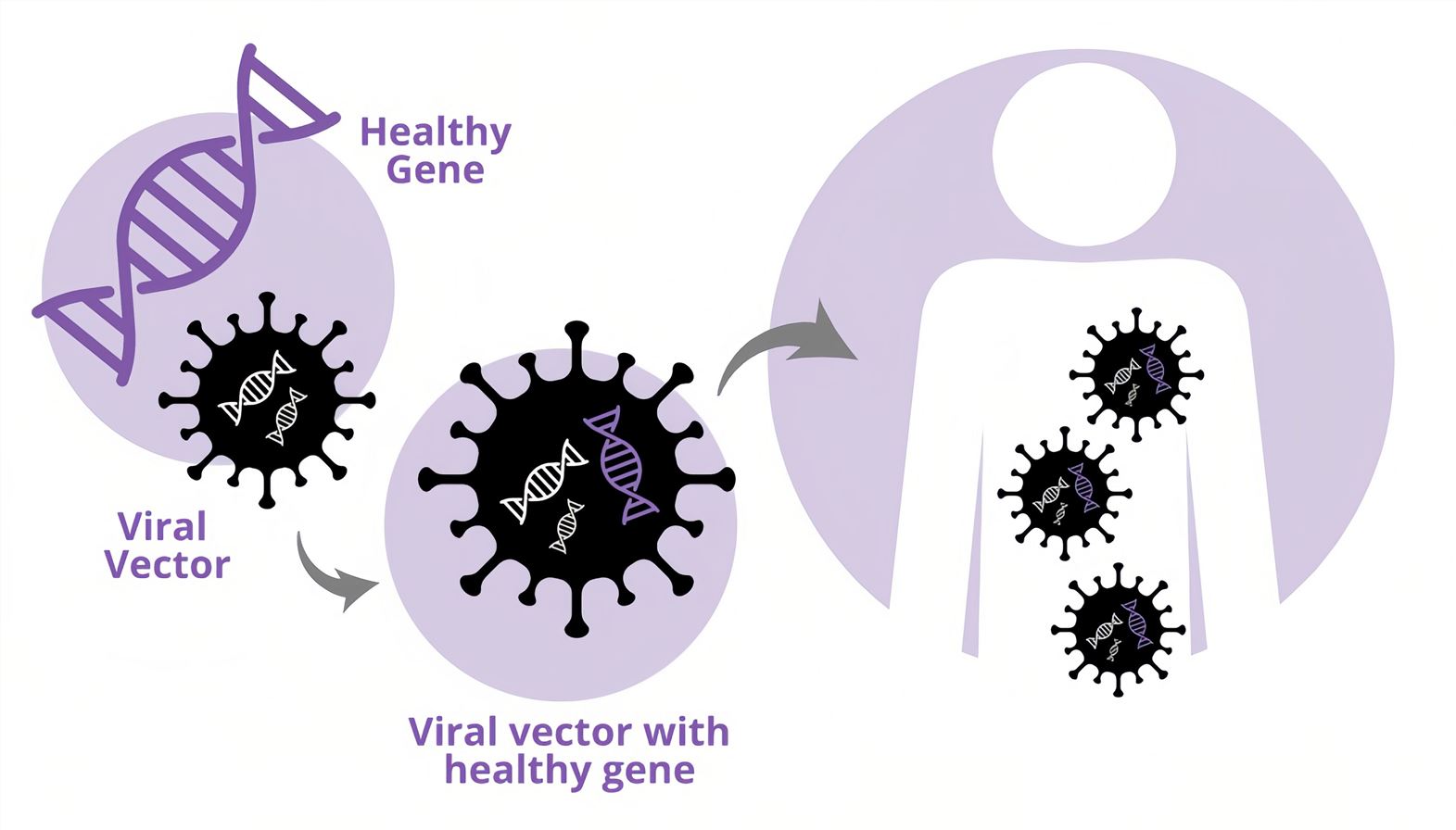
According to the News-Medical findings, the use of specialized vectors allows the therapy to bypass some of the body’s initial defenses. AAV vectors are preferred because they remain “episomal,” meaning the new DNA usually sits alongside the host’s DNA rather than integrating into it. This reduces the risk of “insertional mutagenesis,” where a new gene accidentally triggers cancer by landing in the middle of a tumor-suppressor gene.
Despite these advantages, the researchers face a specific challenge known as “dilution.” Because a child’s liver is growing rapidly, the hepatocytes divide frequently. Since the AAV DNA is not integrated into the genome, it does not copy itself when the cell divides. Over time, the concentration of the therapeutic gene may drop as the liver grows, potentially requiring re-administration of the therapy.
| Feature | Liver Transplant | AAV Gene Therapy (Experimental) |
|---|---|---|
| Mechanism | Replacement of the entire organ | Correction of specific genetic defect |
| Main Risk | Organ rejection / Donor shortage | Immune response to viral vector |
| Maintenance | Lifelong immunosuppressants | Potential for repeat dosing (due to growth) |
| Invasiveness | Major surgical procedure | Intravenous infusion |
Comparing Current Management vs. Potential Gene Therapy Outcomes
To understand the leap this research represents, one must look at the current clinical reality for families dealing with deadly childhood liver diseases. Currently, management is often a “holding action.” For example, in patients with certain organic acidemias, the goal is simply to prevent the next metabolic crisis through a strict low-protein diet and emergency glucose infusions.
The News-Medical report highlights a shift from “management” to “restoration.” In the mouse models, the therapy did not just slow the disease; it restored the liver’s biochemical capacity to a level that mirrored healthy mice. This suggests that if translated to humans, the therapy could provide a “functional cure,” allowing children to eat normal diets and grow without the constant threat of a metabolic crash.
However, a contrast exists between the controlled environment of a lab and the complexity of a human patient. Mice are genetically similar and kept in sterile environments. Human children have varied immune systems and may have already developed antibodies to AAV vectors through natural exposure, which could neutralize the therapy before it ever reaches the liver.
For more information on how these therapies are regulated, see a related explainer on orphan drug designations.
What Hurdles Remain Before Human Clinical Trials?
While the results in mice are positive, the path to human application is rigorous. The transition from animal models to “first-in-human” trials involves several critical safety and efficacy hurdles.

The Immune Response Challenge
The human immune system is far more complex than that of a laboratory mouse. If a patient’s body recognizes the AAV vector as a foreign invader, it may trigger a massive inflammatory response. In some previous human gene therapy trials, this led to severe liver inflammation or, in rare cases, systemic organ failure. Researchers must find ways to “cloak” the vector or use temporary immunosuppression to ensure the therapy is accepted.
The Dosage Dilemma
Determining the correct dose for a human infant is difficult. Too low a dose will not produce enough protein to save the liver; too high a dose can trigger toxicity. Because the liver is the primary site of metabolism, an overdose of the viral vector can overwhelm the organ’s capacity to process the viral load, leading to hepatotoxicity.
The Longevity of Expression
As mentioned, the “dilution effect” in growing livers is a primary concern. If the therapy only works for two years before the liver grows too large for the remaining genes to be effective, the treatment is a temporary fix rather than a cure. Researchers are currently investigating “integrating” vectors or CRISPR-based editing that would permanently stitch the healthy gene into the host’s DNA, ensuring it is passed down to every new cell produced as the child grows.
The Broader Implications for Pediatric Rare Diseases
This success in mice serves as a proof-of-concept that extends beyond a single disease. The “platform” approach to gene therapy means that once a delivery method (like a specific AAV serotype) is proven safe and effective for the liver, it can be adapted for other genetic liver conditions by simply swapping the “cargo” gene.
This could lead to a wave of treatments for a variety of rare pediatric conditions. According to industry trends in biotechnology, the focus is shifting toward “n-of-1” therapies—treatments tailored to the specific mutation of a single patient. The mouse study provides the biological evidence that correcting a single enzyme deficiency can stop a systemic collapse.
Furthermore, the success of this research puts pressure on regulatory bodies to streamline the approval process for pediatric gene therapies. Because these diseases are rare, traditional large-scale clinical trials are impossible. Regulators may need to rely more on “surrogate endpoints”—biomarkers that show the protein is being produced—rather than waiting for long-term survival data before granting conditional approval.
Common Misconceptions About Gene Therapy
As news of these breakthroughs spreads, several misconceptions often arise. It is important to clarify what this research actually entails.
Misconception 1: Gene therapy changes the patient’s entire genetic makeup.
In the case of the liver therapy described by News-Medical, the treatment is “somatic,” not “germline.” This means it only affects the liver cells. It does not change the DNA in the patient’s reproductive cells, and therefore, the changes are not passed on to the patient’s future children.
Misconception 2: It is a “pill” or a simple vaccine.
Gene therapy is a complex biological procedure. It involves the laboratory manufacture of viral vectors and a highly controlled infusion process. It is far more intensive than a standard vaccination.
Misconception 3: It is immediately available for human use.
Animal success is a prerequisite, not a guarantee. Many therapies that work in mice fail in humans due to differences in immune response and organ scale. The transition to human trials typically takes several years of safety testing.
For further context on the ethics of genetic modification, you may find a related explainer on CRISPR ethics useful.
Frequently Asked Questions
Can this gene therapy be used in human children right now?
No. The current success has been demonstrated in mouse models. Before it can be used in humans, it must undergo rigorous safety testing and be approved for clinical trials by regulatory agencies like the FDA or EMA to ensure it does not cause adverse immune reactions.

What is the specific liver disease being treated?
The research targets “deadly childhood liver diseases,” which generally refer to rare genetic metabolic disorders where the liver cannot produce a vital enzyme, leading to toxic buildup and organ failure. The specific genetic target varies by study, but the mechanism of delivery is the primary breakthrough.
Is gene therapy permanent?
It depends on the method. AAV-based therapies are often episomal, meaning they don’t integrate into the DNA. In a growing child’s liver, the effect may diminish over time as cells divide, potentially requiring a second dose. Permanent “cures” would require gene-editing tools like CRISPR to integrate the gene into the genome.
What are the main risks of this treatment?
The primary risk is an immune response. The body may recognize the viral vector as a threat, leading to inflammation of the liver (hepatitis) or a systemic immune reaction. There is also a theoretical risk of the gene inserting itself into the wrong place in the DNA, although this is less likely with AAV vectors.
How does this differ from a liver transplant?
A transplant replaces the entire organ with one from a donor, requiring lifelong medication to prevent rejection. Gene therapy attempts to fix the existing organ by adding a functional gene, potentially removing the need for surgery and immunosuppressant drugs.
The results from the mouse study provide a blueprint for tackling some of the most aggressive pediatric diseases. While the road to human application is complex, the restoration of liver function in animal models marks a shift toward a future where genetic “death sentences” can be rewritten.
