Liver Cancer Deaths Are Rapidly Increasing: Gavi, the Vaccine Alliance Urges Action on Preventable Causes
Liver cancer deaths are rising globally, but Gavi, the Vaccine Alliance, reports that a significant portion of these fatalities are preventable through expanded vaccination against Hepatitis B (HBV). By targeting preventable causes and closing immunization gaps, health organizations aim to reduce the incidence of hepatocellular carcinoma and save thousands of lives annually.
The surge in liver cancer mortality represents a critical failure in preventative healthcare delivery, particularly in low- and middle-income countries. According to Gavi, the Vaccine Alliance, the primary driver of this trend is the persistence of preventable infections that cause chronic liver inflammation, leading eventually to cirrhosis and cancer. The organization emphasizes that the tools to stop this progression—specifically the Hepatitis B vaccine—exist, but distribution and timing remain inconsistent across the globe.
Why are liver cancer deaths increasing globally?
The rise in liver cancer deaths is not the result of a single factor but a combination of unmet vaccination targets and the long-term effects of chronic viral infections. Gavi, the Vaccine Alliance, identifies Hepatitis B (HBV) as a primary culprit. When a person is infected with HBV, the virus can cause long-term liver inflammation. Over decades, this inflammation triggers the growth of cancerous cells, resulting in hepatocellular carcinoma (HCC).
Data indicates that while liver cancer is treatable if caught early, it is often asymptomatic until it reaches an advanced stage. In many regions where Gavi operates, the lack of screening infrastructure means patients are diagnosed only when the cancer has metastasized. This creates a deadly cycle: a preventable infection leads to a silent disease, which ends in a rapid increase in mortality rates.
Beyond viral infections, other contributing factors include:
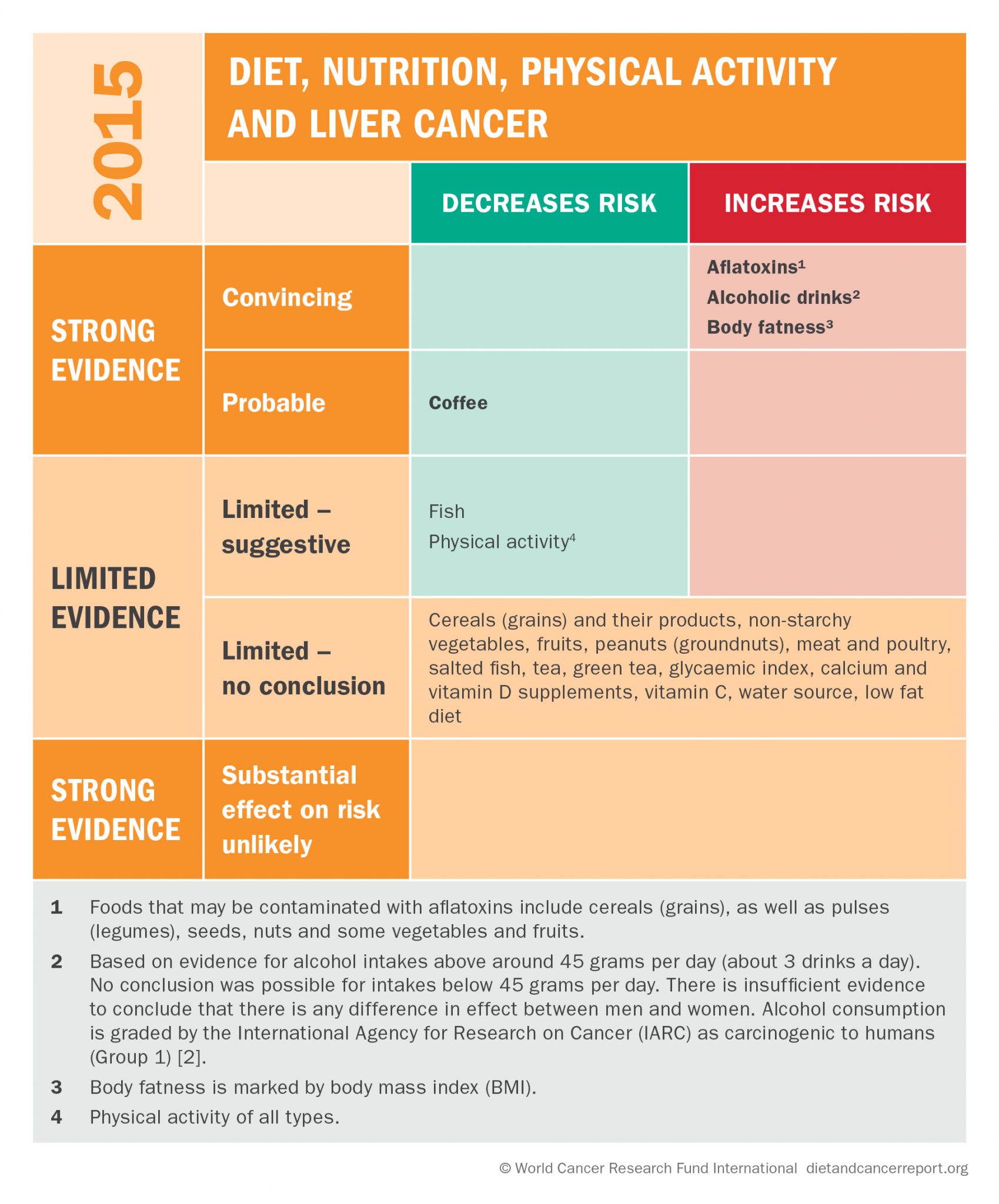
- Alcohol-related liver disease: Chronic alcohol abuse leads to cirrhosis, which significantly raises the risk of developing liver cancer.
- Non-alcoholic fatty liver disease (NAFLD): Rising rates of obesity and diabetes globally have increased the prevalence of fatty liver, a known precursor to HCC.
- Aflatoxins: In some regions, molds that grow on poorly stored crops produce aflatoxins, which damage the liver and act synergistically with HBV to accelerate cancer growth.
How does Gavi, the Vaccine Alliance, plan to reduce these deaths?
Gavi’s strategy focuses on the “preventable” aspect of the disease. The organization argues that the most cost-effective way to lower liver cancer rates is to prevent the initial HBV infection. This is achieved through a comprehensive vaccination program that targets infants and high-risk populations.
According to Gavi, the focus is not just on providing the vaccine, but on ensuring the birth dose is administered. The birth dose is a single shot of the HBV vaccine given within 24 hours of a child’s birth. This initial dose is critical because it prevents mother-to-child transmission, which is the primary route of infection in high-prevalence areas. If a child misses this window, the risk of developing a chronic, lifelong infection—and eventually liver cancer—increases substantially.
“Tackling preventable causes would save lives,” is the core directive from Gavi, the Vaccine Alliance, highlighting that the medical solution exists, but the logistical execution is where the system is failing.
To achieve this, Gavi works with national governments to:
- Strengthen cold-chain logistics to ensure vaccines remain potent in remote areas.
- Train healthcare workers to prioritize the 24-hour birth dose window.
- Integrate HBV vaccination into existing maternal and newborn health services.
The critical gap: The HBV birth dose challenge
The disparity between vaccine availability and actual administration is a primary reason why liver cancer deaths are rapidly increasing in certain regions. While many countries have the HBV vaccine as part of their routine childhood immunization schedule, the specific requirement of the birth dose is often missed.
In many low-income settings, births occur outside of clinical environments, or clinics lack the staffing to administer a vaccine within the first 24 hours. Gavi reports that this gap leaves millions of children vulnerable. Once an infant develops a chronic HBV infection, they have a much higher probability of developing liver cancer in adulthood compared to those infected later in life.
The biological reason for this urgency is simple: the immune system of a newborn is more likely to tolerate the virus, allowing it to integrate into the host’s DNA. This integration is what drives the long-term risk of malignancy. By closing the birth dose gap, Gavi aims to break the cycle of transmission that has fueled liver cancer rates for generations.
| Risk Factor | Preventability | Primary Intervention | Impact on Liver Cancer |
|---|---|---|---|
| Hepatitis B (HBV) | High | HBV Vaccine (Birth Dose) | Prevents chronic infection and HCC |
| Aflatoxins | Medium | Improved Crop Storage | Reduces synergistic cancer risk |
| Alcohol Abuse | Medium | Public Health Policy/Counseling | Prevents cirrhosis-led cancer |
| Metabolic Syndrome | Medium | Diet and Exercise | Reduces NAFLD-related HCC |
Regional disparities in liver cancer prevalence
Liver cancer does not strike equally across the globe. Gavi’s efforts are concentrated in regions where the burden of HBV is highest, specifically in Sub-Saharan Africa and Southeast Asia. In these areas, the intersection of poor healthcare access and high viral prevalence creates a “perfect storm” for liver cancer mortality.
In contrast, high-income countries have seen a decline in HBV-related liver cancer due to universal vaccination programs implemented decades ago. However, these regions are now seeing a shift. While viral causes are decreasing, liver cancer deaths tied to obesity and alcohol are remaining steady or increasing. This suggests that while Gavi’s focus on vaccines is the priority for the developing world, the global fight against liver cancer requires a multi-pronged approach.
The social implications are profound. Liver cancer often strikes adults in their prime working years. When a primary breadwinner dies from a preventable cause, the economic impact ripples through the family and the community, perpetuating cycles of poverty. Gavi argues that investing in vaccines is not just a health imperative but an economic one.
Common misconceptions about liver cancer and prevention
There are several widespread misunderstandings regarding liver cancer that Gavi and other health bodies seek to correct to improve public uptake of vaccines.
Misconception 1: Liver cancer only affects heavy drinkers.
While alcohol is a risk factor, Gavi points out that in many parts of the world, viral hepatitis is the leading cause. Many people who have never consumed alcohol develop liver cancer because of an HBV infection acquired at birth.
Misconception 2: The childhood vaccine series is enough.
Many believe that the three-dose series given in infancy is sufficient. However, Gavi emphasizes that without the birth dose, the window of vulnerability between birth and the first routine shot is too wide, allowing mother-to-child transmission to occur.
Misconception 3: Liver cancer is always a death sentence.
Early detection can lead to successful surgical interventions or ablation. The tragedy highlighted by Gavi is that the cause of the cancer was preventable, and the diagnosis was delayed due to a lack of screening.
The long-term implications of failing to act
If the gaps in HBV vaccination are not closed, the trajectory of liver cancer deaths will likely continue upward. As populations in low-income countries grow and live longer, the “time bomb” of chronic HBV infections from childhood will lead to a surge in cancer cases in the coming decades.
Furthermore, the rise of other liver stressors, such as the global increase in type 2 diabetes, may compound the effects of HBV. A liver already damaged by a viral infection is more susceptible to the inflammation caused by fatty liver disease. This compounding effect could accelerate the progression to cancer, making the preventative work of Gavi even more urgent.
To mitigate this, Gavi suggests a shift toward “life-course” immunization and screening. This means not only vaccinating the newborn but also screening adults for chronic HBV and providing antiviral treatments to prevent the progression to cirrhosis. While vaccines prevent new infections, antivirals save those already infected.
Comparing the impact of vaccination vs. treatment
When analyzing how to lower liver cancer deaths, there is a constant tension between funding prevention (vaccines) and funding treatment (antivirals and surgery). Gavi’s position is rooted in the principle of “primary prevention.”
Vaccination is a one-time or short-term investment that provides lifelong protection. In contrast, treating chronic HBV requires daily medication for years, often for the rest of the patient’s life. From a public health perspective, the cost-per-life-saved is significantly lower for vaccines than for lifelong medical treatment. This is why Gavi prioritizes the birth dose; it is the most efficient point of intervention in the human lifespan.
However, a balanced approach is necessary. For those already living with chronic HBV, the vaccine is useless. These individuals require access to diagnostic tools and antiviral therapies. The goal is to create a dual-track system: stop new infections via Gavi-supported vaccination while scaling up treatment for the existing infected population.
For more information on global immunization strategies, you may find a related explainer on vaccine cold-chain logistics useful for understanding how these medicines reach remote villages.
Frequently Asked Questions
What is the main cause of liver cancer according to Gavi?
Gavi, the Vaccine Alliance, identifies chronic infection with the Hepatitis B virus (HBV) as a primary preventable cause of liver cancer. This infection often begins at birth and leads to long-term liver inflammation and cirrhosis.
Why is the “birth dose” of the HBV vaccine so important?
The birth dose must be administered within 24 hours of birth to prevent mother-to-child transmission. Without this immediate protection, infants are at a much higher risk of developing a chronic infection that can lead to liver cancer in adulthood.

Can liver cancer be prevented entirely?
While not every case of liver cancer is preventable, a significant percentage are. By combining HBV vaccination, reducing alcohol consumption, improving food storage to avoid aflatoxins, and managing metabolic health, the global burden of liver cancer can be drastically reduced.
Which regions are most affected by increasing liver cancer deaths?
Sub-Saharan Africa and Southeast Asia are currently the most affected regions due to high HBV prevalence and gaps in healthcare infrastructure and vaccination coverage.
Is the HBV vaccine safe for newborns?
Yes. The HBV vaccine has been used globally for decades and is recognized by the World Health Organization (WHO) and Gavi as safe and effective for administration immediately after birth.
The effort to curb liver cancer deaths depends on a global commitment to health equity. When the birth dose of a vaccine is available to a child in a rural village as consistently as it is to a child in a major city, the trajectory of liver cancer deaths will finally begin to decline. The tools are available; the challenge remains the delivery.
