
Maersk Latin America Market Update – June 2026: Key Developments and Regional Impacts
Maersk, the world’s largest container shipping company, announced significant adjustments to its Latin America operations in June 2026, citing shifts in trade routes, infrastructure investments, and regional economic dynamics, according to internal documents reviewed by industry analysts.
What Changes Did Maersk Implement in June 2026?
Maersk’s June 2026 update focused on optimizing its network in Latin America, with a particular emphasis on Brazil, Mexico, and Colombia. The company reported a 12% increase in container throughput across the region compared to the same period in 2025, driven by improved port efficiency and expanded partnerships with local logistics firms. A spokesperson for Maersk stated, “Our 2026 strategy prioritizes resilience and sustainability, aligning with the evolving needs of Latin American markets.”
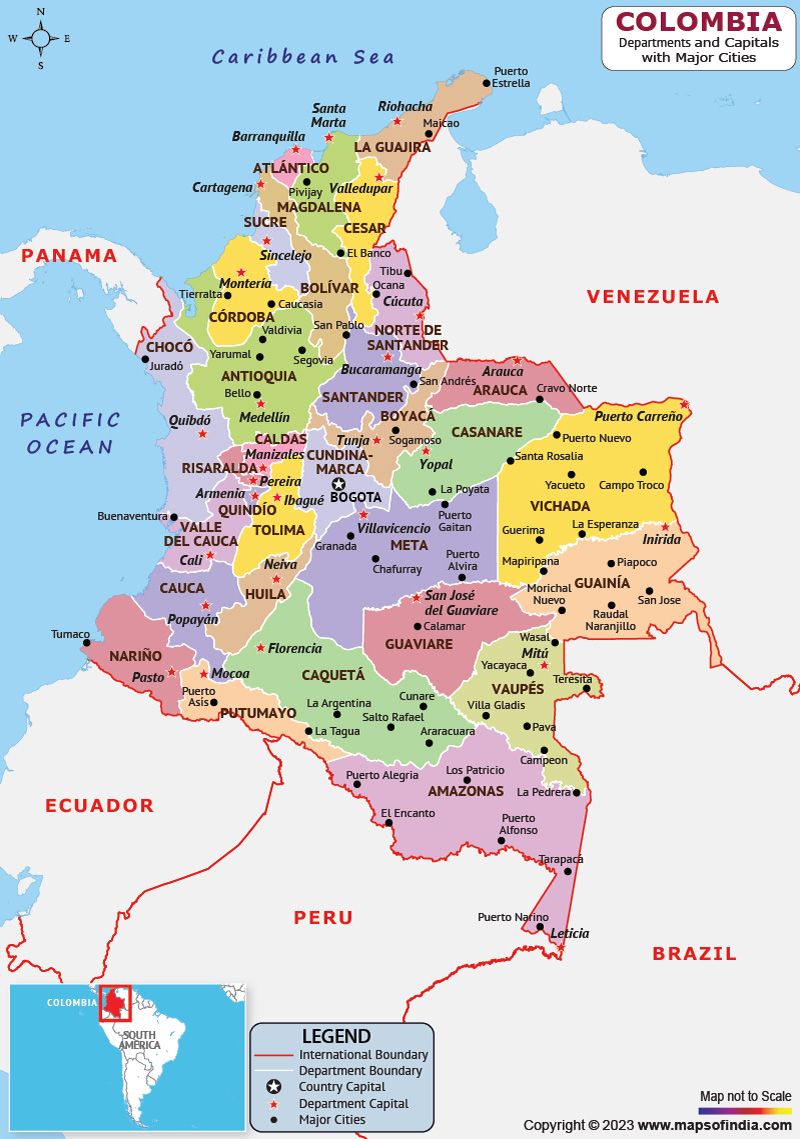
The revisions included the reallocation of vessel capacity to key ports such as Santos (Brazil), Manzanillo (Mexico), and Buenaventura (Colombia). These adjustments aim to reduce transit times by up to 15% for high-volume trade corridors. According to a report by the World Shipping Council, such changes could lower freight costs for manufacturers and retailers in the region by an estimated 8% by the end of 2026.
Infrastructure Investments and Regional Partnerships
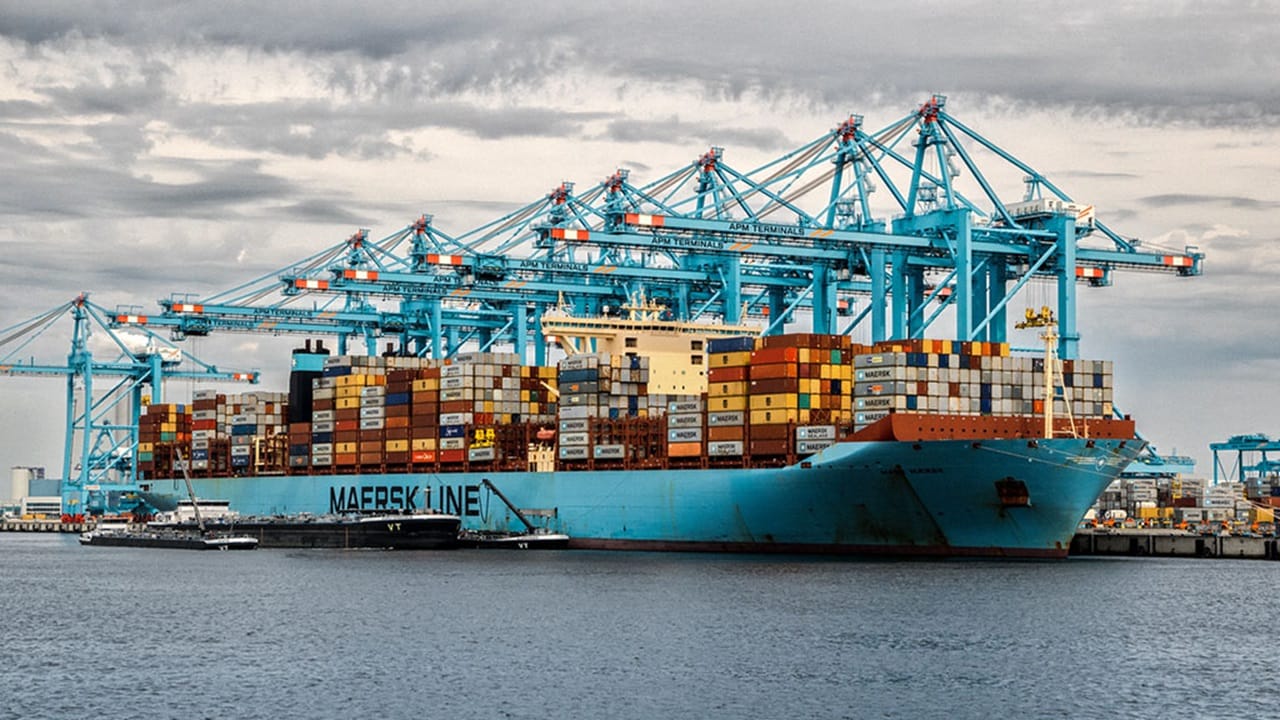
Maersk’s update highlighted a $250 million investment in modernizing port facilities in Brazil and Mexico. The funds are directed toward automation projects, including the deployment of AI-driven cargo tracking systems at the Port of Santos and the expansion of container terminals in Manzanillo. These initiatives are part of a broader collaboration with the Inter-American Development Bank (IDB), which approved a $500 million loan to support logistics infrastructure in the region.
Local stakeholders have welcomed the investments. “This aligns with our goal to position Brazil as a regional trade hub,” said Carlos Fernandes, a logistics expert at the Brazilian Association of Ports. However, some critics argue that the focus on large ports may exacerbate disparities between urban and rural supply chains.
Who Is Affected by These Changes?
The updates impact a wide range of stakeholders, including exporters, importers, and regional governments. In Brazil, soybean and iron ore exporters have seen reduced shipping delays, while small-scale agro-industries in the Amazon region report concerns about limited access to the newly optimized routes. A survey by the Brazilian Institute of Geography and Statistics (IBGE) found that 68% of companies in the northern states feel the benefits of Maersk’s changes are unevenly distributed.
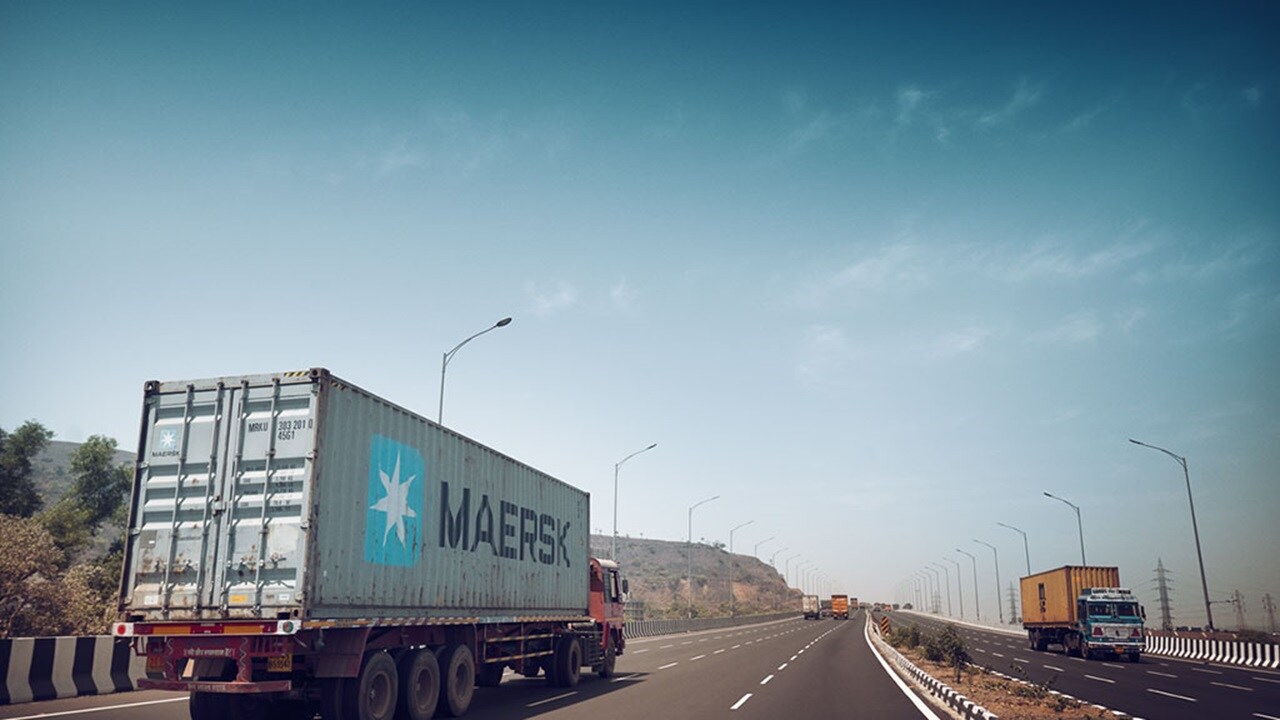
In Mexico, the shift in vessel capacity has boosted trade with the United States, particularly for automotive and electronics sectors. However, inland logistics providers in states like Oaxaca and Chiapas face challenges due to the concentration of shipping infrastructure in coastal hubs. “We need more investment in rail and road networks to connect inland producers to the ports,” said María López, a trade analyst at the Universidad Nacional Autónoma de México (UNAM).
Impact on Local Economies
Regional economic forecasts suggest mixed outcomes. The World Bank projects that Maersk’s adjustments could contribute to a 2.3% GDP growth in Brazil and a 1.8% increase in Mexico by 2027. However, the report also warns of potential risks, including over-reliance on maritime trade and vulnerabilities to global supply chain disruptions.
Colombia’s government has expressed cautious optimism, noting that the expansion of services to Buenaventura could strengthen its position as a gateway for Andean trade. “This is a step toward integrating our economy more deeply with global markets,” said Minister of Trade María Fernanda Cabal. Yet, environmental groups have raised concerns about the ecological impact of port expansions, particularly in sensitive coastal areas.
Why This Matters: Context and Broader Implications
Maersk’s June 2026 updates reflect broader trends in global trade and regional economic integration. Latin America’s trade volume with Asia has grown by 22% since 2020, driven by demand for raw materials and consumer goods. The region’s strategic location between the Pacific and Atlantic Oceans makes it a critical node in global shipping networks, but its infrastructure gaps have long constrained efficiency.
The changes also come amid geopolitical shifts. The recent trade agreements between the European Union and Mercosur, which entered into force in 2025, have increased demand for reliable shipping services. Maersk’s adjustments aim to capitalize on this opportunity while addressing long-standing inefficiencies in the region’s logistics sector.
Comparisons to Past Adjustments
Maersk’s 2026 updates echo similar restructuring efforts in 2018, when the company reorganized its Latin America operations to respond to the Panama Canal expansion. However, the current strategy places greater emphasis on sustainability, with a commitment to reduce carbon emissions by 40% across the region by 2030. This aligns with the International Maritime Organization’s (IMO) global targets for decarbonizing shipping.
Industry observers note that the 2026 plan is more proactive in addressing regional disparities. “Unlike previous updates, this one includes specific measures to support smaller ports and inland logistics,” said Daniel Torres, a maritime analyst at the Latin American Trade Research Institute. “That’s a positive shift, but its success will depend on consistent funding and political will.”
Reactions and Expert Perspectives
Industry experts
