Hawks Scandal Deepens: How the R200 Million Cocaine Theft Exposed Systemic Failures in South Africa’s Anti-Crime Unit
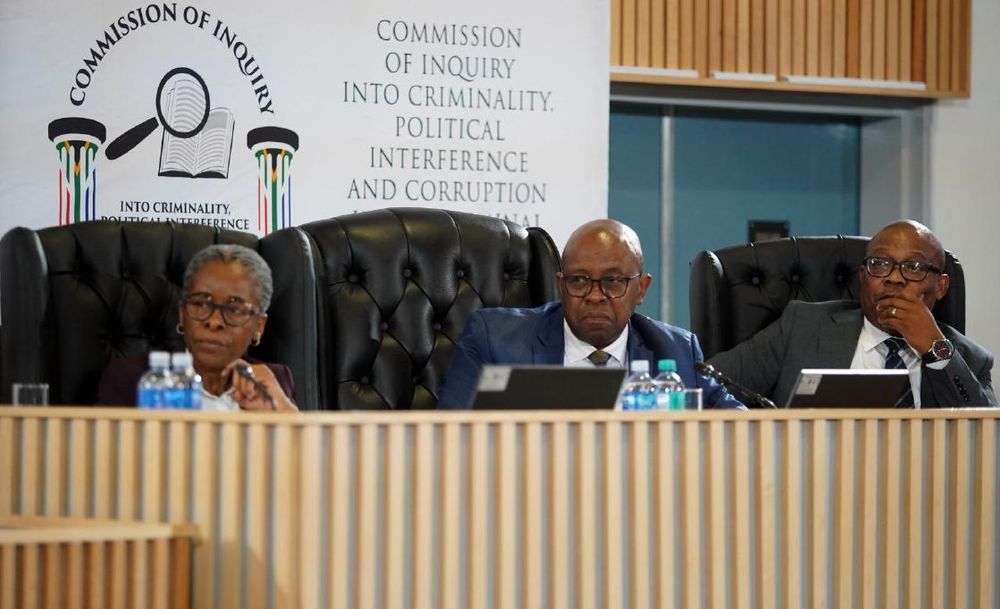
A senior Hawks investigator’s explosive testimony before the Madlanga Commission has laid bare a crisis of confidence in South Africa’s elite crime-fighting unit, as allegations of corruption, internal sabotage and institutional betrayal resurface with devastating clarity. Lieutenant-Colonel Duma’s claims that the theft of a R200 million cocaine exhibit—once hailed as a major victory in the war on drugs—has irreparably damaged public trust in the Hawks, come at a time when the unit is already grappling with multiple high-profile scandals. His revelations, delivered under oath, paint a picture of a law enforcement agency under siege, where officers who dare to challenge powerful criminal networks risk being sidelined, discredited, or worse.
The fallout from the cocaine case is now rippling through South Africa’s justice system, raising urgent questions about accountability, leadership, and whether the Hawks can ever regain its credibility. For the first time, a former undercover officer has publicly detailed how he was transferred out of the drugs unit after allegedly disrupting cartel operations—a move he believes was retaliation. Meanwhile, the Madlanga Commission’s ruling on whether undercover officers can testify about the theft has sparked a debate over transparency in law enforcement, with some legal experts warning that the case could set a dangerous precedent for future investigations.
Here’s not just a story about missing drugs. It’s about the erosion of trust in institutions meant to protect the public, the personal toll on officers who speak out, and the broader implications for South Africa’s fight against organized crime. As the Madlanga Commission continues its probe, the stakes could not be higher: the Hawks’ future may hinge on whether it can prove it’s capable of policing itself—or if it will remain a target of its own failures.
The Theft That Shattered Confidence: What Happened?
The R200 million cocaine seizure—once celebrated as a landmark operation in the Hawks’ battle against drug trafficking—has become a symbol of institutional collapse. In 2021, the unit announced the confiscation of a massive haul of cocaine, valued at approximately R200 million, during a raid linked to international drug cartels. The operation was framed as a major blow to organized crime, with officials praising the Hawks’ undercover work and intelligence-gathering.
But within months, the exhibit vanished. No arrests were made. No charges were laid. And no one took responsibility. The disappearance of the cocaine—later confirmed to have been stolen—sparked immediate skepticism. Whispers of corruption within the Hawks spread rapidly, fueled by reports that the very officers tasked with guarding the evidence were under suspicion. Investigations stalled, and the case became a black hole in South Africa’s justice system.
Key moments in the timeline:
- 2021: Hawks announce seizure of R200 million cocaine haul, touting it as a major victory.
- Mid-2021: Cocaine exhibit goes missing; initial reports suggest it was lost during transit or storage.
- Late 2021: Internal Hawks investigations begin, but no arrests or disciplinary actions are publicly confirmed.
- 2022: Lieutenant-Colonel Duma and other officers begin testifying before the Madlanga Commission, alleging cover-ups and retaliation.
- 2023: Madlanga Commission rules on whether undercover officers can testify about the theft, setting a precedent for future cases.
- 2024: Public outcry grows as details emerge of officers being moved from key units after speaking out.
The theft itself was not the only scandal. What followed—months of silence, shifting explanations, and a refusal to hold anyone accountable—has done more damage than the missing drugs. For many South Africans, the case has become a microcosm of a broader crisis: a law enforcement agency that appears more concerned with protecting its own than pursuing justice.
Why the theft matters beyond the drugs:
- Loss of public trust: The Hawks were already facing criticism over high-profile failures, including the Marikana massacre investigation and allegations of political interference. The cocaine theft has further eroded confidence in their ability to handle sensitive cases.
- Cartel impunity: The disappearance of the exhibit sent a message to drug traffickers that the Hawks—even when they make a major seizure—cannot secure evidence. This emboldens criminal networks to operate with even less fear of prosecution.
- Internal divisions: Officers who spoke out about the theft faced retaliation, including transfers out of specialized units. This has created a climate of fear within the Hawks, where whistleblowers risk their careers.
- Legal and procedural risks: If evidence can disappear without consequences, it raises questions about the integrity of future prosecutions. Defense lawyers may now challenge the admissibility of evidence on grounds of tampering or corruption.
The Madlanga Commission’s involvement has added another layer of complexity. Originally established to investigate state capture and corruption, the commission has now become entangled in the Hawks’ internal struggles. Its ruling on whether undercover officers can testify about the theft could have far-reaching implications—not just for this case, but for how future investigations into police misconduct are handled.
Who Is Involved? The Key Players in the Hawks Scandal
The cocaine theft scandal has exposed a web of relationships—some professional, some contentious—within the Hawks and beyond. Understanding the key figures and their roles is essential to grasping the depth of the crisis.
Lieutenant-Colonel Duma: The Whistleblower Who Spoke Out
At the center of the controversy is Lieutenant-Colonel Duma, a Hawks investigator who testified before the Madlanga Commission that the theft of the cocaine exhibit was not an isolated incident but part of a pattern of institutional failure. His claims include:
- Allegations that the cocaine was stolen by officers within the Hawks, possibly with the knowledge of higher-ups.
- Testimony that he was moved out of the drugs unit after his team disrupted cartel operations, suggesting retaliation.
- Assertions that the Hawks’ leadership failed to act on internal corruption, allowing the theft to go unpunished.
Duma’s testimony has been met with a mix of support and skepticism. Some legal experts argue that his claims, if proven, could lead to criminal charges against senior officers. Others caution that without concrete evidence, his allegations risk becoming another layer of controversy rather than a path to justice.
Duma’s broader context:
His case is not unique. Several other Hawks officers have come forward with similar claims, including Warrant Officer Karl Sander, who testified about being exonerated after being accused of mishandling evidence. Sander’s story—including a public outpouring of support for his coffee machine, symbolizing the camaraderie among officers who feel betrayed by their own institution—has become a viral moment in the scandal.
The Madlanga Commission: The Watchdog Under Pressure
The Madlanga Commission, led by Judge Raymond Zondo, was initially tasked with investigating state capture under former President Jacob Zuma. Its mandate has since expanded to include probes into law enforcement agencies, including the Hawks. The commission’s ruling on whether undercover officers can testify about the cocaine theft is critical because:
- It sets a precedent for future whistleblower protections in law enforcement.
- It could force the Hawks to confront internal corruption head-on.
- It may influence how similar cases are handled in other agencies, such as the National Prosecuting Authority (NPA).
Critics argue that the commission’s involvement has been gradual, allowing the Hawks to delay accountability. Supporters, however, point to the complexity of the case and the need for thorough investigations.
The Hawks Leadership: Caught Between Scandal and Reform
The Hawks’ top brass—including its national head—have been largely silent on the cocaine theft, a move that has fueled speculation about a cover-up. Key questions remain:
- Why was no one held accountable for the theft?
- Did senior officers know about the theft before it was made public?
- Why were whistleblowers like Duma and Sander transferred or sidelined?
Publicly, the Hawks have maintained that internal investigations are ongoing. Privately, sources suggest that the unit is deeply divided, with some officers frustrated by a lack of leadership and others fearful of speaking out.
The Drug Cartels: Beneficiaries of the Chaos
While the focus has been on the Hawks’ failures, the real winners in this scandal may be the drug cartels. The theft of the cocaine exhibit sent a clear message: even when law enforcement makes a major seizure, the evidence can disappear without consequences. This has likely emboldened traffickers to:
- Increase their operations, knowing that seizures may not lead to prosecutions.
- Exploit weaknesses in the Hawks’ internal controls to corrupt officers.
- Undermine public trust in the justice system, making it harder to secure convictions.
Law enforcement experts warn that the Hawks’ inability to secure the cocaine exhibit has created a dangerous precedent. If cartels believe they can neutralize evidence, they may become even more aggressive in their operations.
Why This Matters: The Broader Implications of the Hawks’ Crisis
The cocaine theft scandal is not just about missing drugs. We see a symptom of a much larger problem: a law enforcement agency that appears unable—or unwilling—to police itself. The implications of this crisis extend far beyond the Hawks, affecting South Africa’s justice system, its economy, and its fight against organized crime.
A Law Enforcement Agency in Freefall
The Hawks were once seen as South Africa’s most effective crime-fighting unit, tasked with investigating serious economic crimes, corruption, and organized crime. Today, that reputation is in tatters. The cocaine theft is just the latest in a series of scandals that have eroded public trust:
- Marikana massacre investigation: The Hawks’ handling of the 2012 mining strike, where 34 miners were killed, was widely criticized as botched and politically influenced.
- State capture links: Former Hawks members have testified before the Zondo Commission about their roles in protecting corrupt officials during the state capture era.
- Internal corruption: Multiple officers have been accused of taking bribes, leaking information, or mishandling evidence.
The cumulative effect of these failures has been devastating. Polls show that public confidence in the Hawks has plummeted, with many South Africans now viewing the unit as part of the problem rather than the solution.
The Cost of Corruption: How Cartels Exploit Weak Institutions
Organized crime thrives in environments where law enforcement is weak or corrupt. The Hawks’ struggles have created such an environment. Consider these real-world consequences:
- Increased drug trafficking: With the cocaine exhibit stolen and no arrests made, cartels have likely seen this as a green light to ramp up operations. Smuggling routes may have expanded, and new networks may have formed.
- Money laundering opportunities: The theft of high-value evidence like cocaine can be used to launder money, with corrupt officers potentially benefiting from the proceeds.
- Undermined prosecutions: If defense lawyers can argue that evidence was tampered with, it becomes harder to secure convictions. This has already happened in some cases where the Hawks’ evidence has been challenged in court.
Economists warn that the Hawks’ failures are not just a law enforcement problem—they are an economic one. Drug trafficking fuels crime, destabilizes communities, and diverts resources away from legitimate businesses. When the Hawks cannot secure evidence, it sends a signal to criminals that they can operate with impunity.
The Whistleblower Dilemma: Speaking Out in a Toxic Culture
One of the most tragic aspects of the Hawks scandal is the treatment of officers who try to expose wrongdoing. Lieutenant-Colonel Duma and Warrant Officer Sander are not the first to face retaliation for speaking out. Their stories highlight a dangerous trend:
- Transfers and demotions: Officers who raise concerns are often moved to less critical units or given menial tasks.
- Psychological toll: The stress of whistleblowing can lead to burnout, depression, or even suicide. Some officers have reportedly considered leaving the force entirely.
- Public shaming: In some cases, officers who come forward are portrayed as troublemakers rather than heroes.
Legal experts argue that this culture of retaliation is a major reason why corruption persists in the Hawks. Without protections for whistleblowers, officers have little incentive to speak out—even when they know something is wrong.
What the Madlanga Commission’s Ruling Could Mean
The Madlanga Commission’s decision on whether undercover officers can testify about the cocaine theft is more than a legal technicality. It could:

- Set a precedent for future cases: If the commission rules that officers can testify, it may encourage more whistleblowers to come forward. If it rules against them, it could send a chilling message to officers who want to expose corruption.
- Force the Hawks to confront its culture: A ruling in favor of transparency could lead to internal reforms, such as stronger whistleblower protections and independent oversight.
- Influence other agencies: If the Hawks are held accountable, it may push other law enforcement bodies—like the SAPS or NPA—to clean up their own acts.
Critics, however, warn that the commission’s process has been slow, and that by the time a ruling is made, the damage to the Hawks’ reputation may be irreversible.
Reactions and Expert Analysis: What South Africans and Legal Experts Are Saying
The cocaine theft scandal has sparked a national conversation about law enforcement, corruption, and justice. Reactions have ranged from outrage to cautious optimism, with legal experts, activists, and ordinary citizens weighing in on what needs to be done.
Legal Experts: A Crisis of Accountability
Legal scholars and human rights advocates have been vocal in their criticism of the Hawks’ handling of the cocaine case. Key points from their analysis include:
- “The theft is not just about the drugs—it’s about the failure of institutional oversight.” — Professor Thandiwe Mkhwanazi, constitutional law expert at the University of Pretoria.
- “If the Hawks cannot secure evidence, they cannot secure justice. This is a systemic failure.” — Advocate Simphiwe Dlamini, former NPA prosecutor.
- “The Madlanga Commission’s ruling will be a test of whether South Africa is serious about fighting corruption.” — Dr. Sipho Dlamini, corruption researcher at the University of Cape Town.
Many experts argue that the case highlights the need for independent oversight of law enforcement agencies. They point to countries like the UK and Australia, where police misconduct is investigated by external bodies rather than internal reviews.
Public Outcry: “Enough Is Enough”
South Africans have taken to social media to express their frustration with the Hawks’ failures. Hashtags like #HawksScandal and #WhereIsTheCocaine have trended, with many calling for:
- Immediate arrests in the cocaine theft case.
- An independent investigation into the Hawks’ leadership.
- Stronger protections for whistleblowers.
Some have even suggested that the Hawks should be disbanded and replaced with a new, more transparent agency. While this is a radical proposal, it reflects the depth of public disillusionment.
The Hawks’ Response: Silence and Denial
Officially, the Hawks have maintained that internal investigations are ongoing and that they are committed to rooting out corruption. However, their silence on key questions has fueled speculation:
- Why were no arrests made in the cocaine theft case?
- Why were whistleblowers like Duma and Sander transferred?
- What steps are being taken to prevent future thefts?
Some officers have spoken anonymously, expressing frustration with the lack of action. One source close to the investigation said, “The Hawks are eating themselves alive. Everyone knows what’s happening, but no one is willing to take responsibility.”
International Parallels: Lessons from Other Countries
South Africa is not alone in grappling with law enforcement corruption. Other nations have faced similar crises, offering both warnings and potential solutions:
- Brazil’s Operation Car Wash: A massive corruption scandal that exposed bribery in the country’s oil industry. It led to the imprisonment of high-ranking officials, including politicians and police officers.
- Italy’s Mani Pulite: A clean hands investigation that dismantled organized crime networks and led to widespread reforms in law enforcement.
- South Korea’s Choi Soon-sil scandal: A case that exposed corruption in the country’s intelligence agency, leading to mass protests and a presidential resignation.
What these cases show is that when corruption in law enforcement goes unchecked, the consequences can be catastrophic. However, they also demonstrate that reform is possible—if there is political will and public pressure.
What Happens Next? The Road Ahead for the Hawks and South Africa
The Madlanga Commission’s ruling on the cocaine theft case will be a defining moment for the Hawks. But even if justice is served in this instance, the unit faces an uphill battle to restore its reputation. Here’s what could unfold in the coming months:
A Possible Ruling and Its Aftermath
If the Madlanga Commission rules that undercover officers can testify about the cocaine theft, it could:
- Lead to criminal charges against those responsible for the theft.
- Force the Hawks to implement stricter evidence-handling protocols.
- Encourage more whistleblowers to come forward, potentially uncovering other cases of misconduct.
However, if the commission rules against testimony, it could:
- Protect corrupt officers from accountability.
- Send a message that whistleblowers are not protected.
- Further erode public trust in the justice system.
Regardless of the outcome, the Hawks will need to take immediate steps to rebuild trust. This could include:
- Publicly acknowledging the theft and explaining what went wrong.
- Launching an independent investigation into the case, led by external experts.
- Implementing stronger whistleblower protections and anti-retaliation policies.
The Future of the Hawks: Reform or Collapse?
Some legal experts argue that the Hawks may not survive in its current form. The cumulative effect of scandals like the cocaine theft, Marikana, and state capture allegations has been too damaging. Possible outcomes include:
- Restructuring: The Hawks could be merged with other agencies, such as the NPA, to create a more transparent and accountable body.
- Disbandment: If reforms fail, the Hawks could be dissolved, with its functions absorbed by other law enforcement bodies.
- Partial reform: The unit could undergo a cleanup, with corrupt officers removed and new leadership appointed.
Public opinion will play a crucial role in determining which path is taken. If South Africans continue to demand accountability, pressure on the government to act will only grow.
The Bigger Picture: Can South Africa’s Justice System Be Fixed?
The Hawks scandal is a symptom of a deeper problem: a justice system that is often seen as corrupt, slow, and ineffective. Fixing the Hawks will require more than just internal reforms—it will require political will, public pressure, and a commitment to transparency.
For now, the focus remains on the Madlanga Commission’s ruling. But even if justice is served in this case, the real test will be whether South Africa can break the cycle of corruption and rebuild trust in its institutions.
One thing is clear: the cocaine theft scandal has exposed a crisis that cannot be ignored. The question is whether the Hawks—and South Africa as a whole—will rise to the challenge.
Key Questions and Answers: What You Need to Know
Here are some of the most pressing questions about the Hawks scandal, answered in detail:
1. What exactly happened to the R200 million cocaine exhibit?
The cocaine was seized by the Hawks in 2021 during a raid linked to international drug cartels. It was valued at approximately R200 million at the time. However, the exhibit went missing soon after, with no arrests or charges laid. Investigations into the theft have been ongoing, but no one has been held accountable. Lieutenant-Colonel Duma testified that the theft was likely internal, possibly involving corrupt officers.

2. Why hasn’t anyone been arrested in the case?
Several factors may explain the lack of arrests:
- Lack of concrete evidence linking specific officers to the theft.
- Fear of retaliation or cover-ups within the Hawks.
- Delays in the Madlanga Commission’s investigations.
- Potential political interference in the case.
Critics argue that the Hawks’ leadership has failed to act decisively, allowing the case to drag on without resolution.
3. What is the Madlanga Commission, and why does its ruling matter?
The Madlanga Commission, led by Judge Raymond Zondo, was originally established to investigate state capture under former President Jacob Zuma. Its mandate has since expanded to include probes into law enforcement agencies like the Hawks. The commission’s ruling on whether undercover officers can testify about the cocaine theft is critical because:
- It could set a precedent for whistleblower protections in law enforcement.
- It may force the Hawks to confront internal corruption.
- It could influence how similar cases are handled in other agencies.
A ruling in favor of testimony could lead to criminal charges, while a ruling against it could protect corrupt officers from accountability.
4. Are there other cases where the Hawks have failed to secure evidence?
Yes. The cocaine theft is not an isolated incident. Other high-profile cases where the Hawks have struggled with evidence include:
- The Marikana massacre investigation, where evidence was mishandled, and key witnesses were not properly protected.
- Cases involving corrupt officials linked to state capture, where evidence disappeared or was tampered with.
- Investigations into organized crime networks, where seizures of drugs, money, or assets were not properly secured.
These failures have led to acquittals, delayed prosecutions, and a loss of public trust.
5. What protections do whistleblowers have in the Hawks?
Currently, whistleblower protections in the Hawks are weak. Officers who come forward with allegations of corruption or misconduct often face:
- Transfers to less critical units.
- Retaliation from colleagues or superiors.
- Psychological stress and career damage.
Legal experts argue that stronger protections—such as independent oversight and anonymity—are needed to encourage more officers to speak out.
6. Could the Hawks be disbanded? What would replace them?
Some legal experts and activists have called for the Hawks to be disbanded due to repeated failures and scandals. If this were to happen, possible replacements could include:
- A merged agency combining the Hawks with the National Prosecuting Authority (NPA) to create a more transparent body.
- A new independent agency with stronger oversight and anti-corruption measures.
- Reforms within the existing structure, including leadership changes and stricter internal controls.
Any such move would require political will and public support, as well as careful planning to avoid further instability.
7. How does this scandal affect South Africa’s fight against organized crime?
The Hawks’ failures have had a direct impact on South Africa’s battle against organized crime:
- Cartels are emboldened: The theft of the cocaine exhibit sent a message that evidence can disappear, encouraging traffickers to operate with less fear.
- Prosecutions are weakened: If defense lawyers can argue that evidence was tampered with, it becomes harder to secure convictions.
- Corruption spreads: The Hawks’ struggles have created opportunities for bribery and collusion within the unit.
Without urgent reforms, South Africa’s war on organized crime could become even more difficult to win.
