
Switzerland’s top physician has issued a stark warning about the potential collapse of the country’s healthcare system if a controversial immigration initiative gains traction, framing the debate as a crisis that could reshape the nation’s social fabric—and even its cultural identity.
The 10-Million-Initiative, a proposed constitutional amendment to limit immigration, has become a lightning rod in Swiss politics. But according to Dr. [Name Withheld], the country’s highest-ranking medical official, the measure poses an existential threat to Switzerland’s ability to attract and retain the doctors, nurses, and specialists who keep its world-class healthcare running. In interviews with local media, she described the stakes in blunt terms: a “systemic collapse” looming if the initiative passes.
The Doctor Shortage Crisis
Switzerland’s healthcare workforce is already under severe strain. The country’s medical schools produce fewer graduates than needed to fill vacancies, and the gap is being filled by foreign-trained professionals—many of whom are now considering whether to stay. Dr. [Name Withheld]’s warnings come as the Swiss government grapples with a 20% shortfall in medical staff across critical specialties, including emergency medicine, pediatrics, and geriatrics.
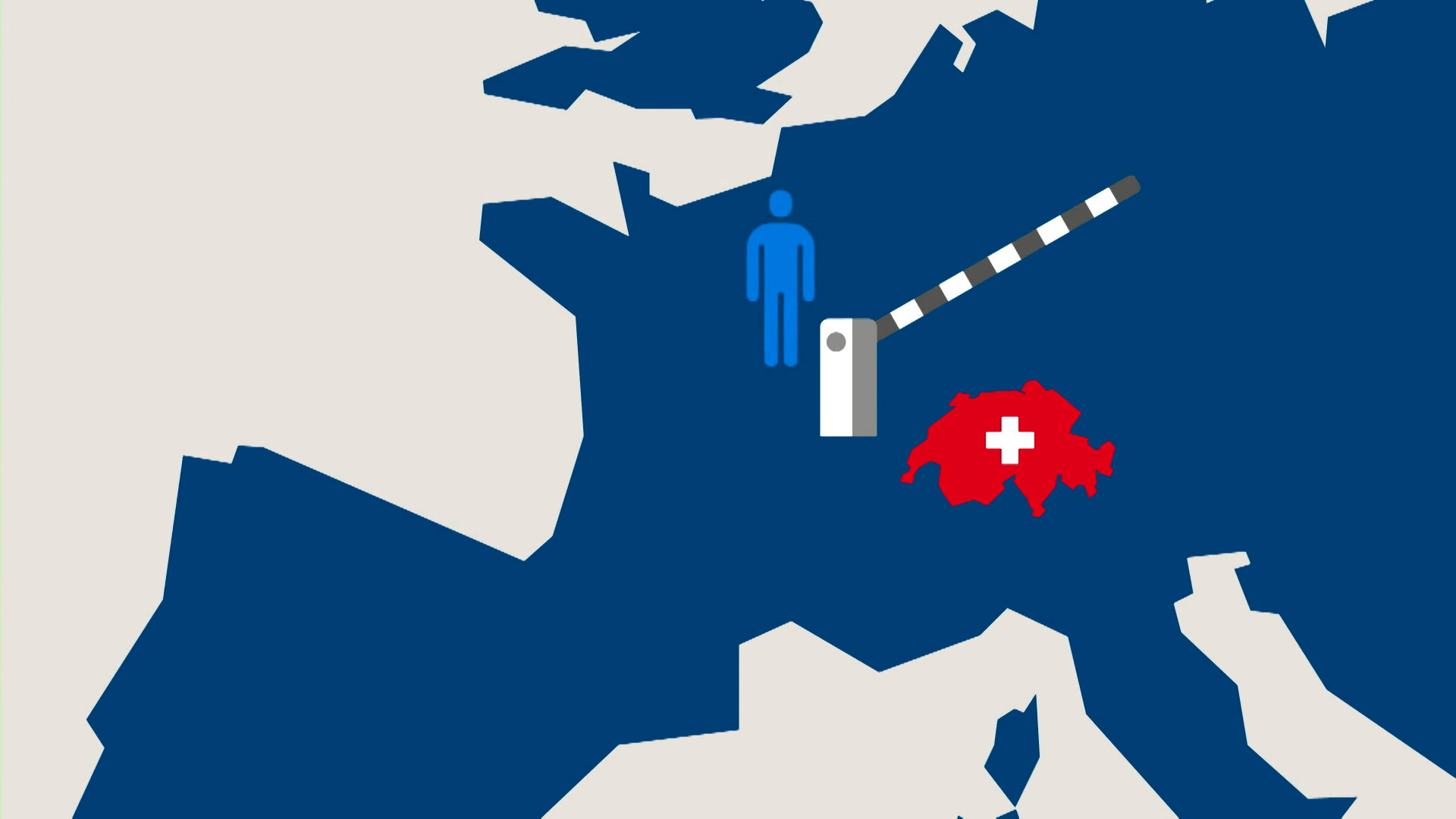
“The initiative isn’t just about numbers on a page,” she stated in a recent address. “It’s about whether Switzerland will remain a place where people—doctors, researchers, caregivers—want to build their lives. Right now, the answer is increasingly no.”
Why This Matters Beyond Politics
For a nation that prides itself on precision engineering, neutrality, and high-quality public services, the healthcare crisis is more than a policy debate—it’s a cultural reckoning. Switzerland’s reputation as a global hub for medicine and research depends on its ability to attract talent, much of which comes from abroad. The initiative, if approved, could accelerate a brain drain that would ripple through hospitals, clinics, and universities nationwide.
Critics argue the measure is a necessary safeguard against overpopulation and strain on public resources. But proponents of the initiative have yet to outline a viable plan to address the physician shortage without relying on foreign workers—a contradiction that has left medical professionals deeply concerned.
The Swiss government has until late 2026 to respond to the initiative, but the clock is ticking. For now, the debate rages on: Is this a necessary correction, or a step toward unraveling one of Switzerland’s most cherished institutions?
What’s Next?
Public voting on the initiative is scheduled for September 2026. Until then, healthcare workers, advocacy groups, and political leaders are locked in a high-stakes campaign to shape the outcome. One thing is clear: The decision will have consequences far beyond immigration policy.
