
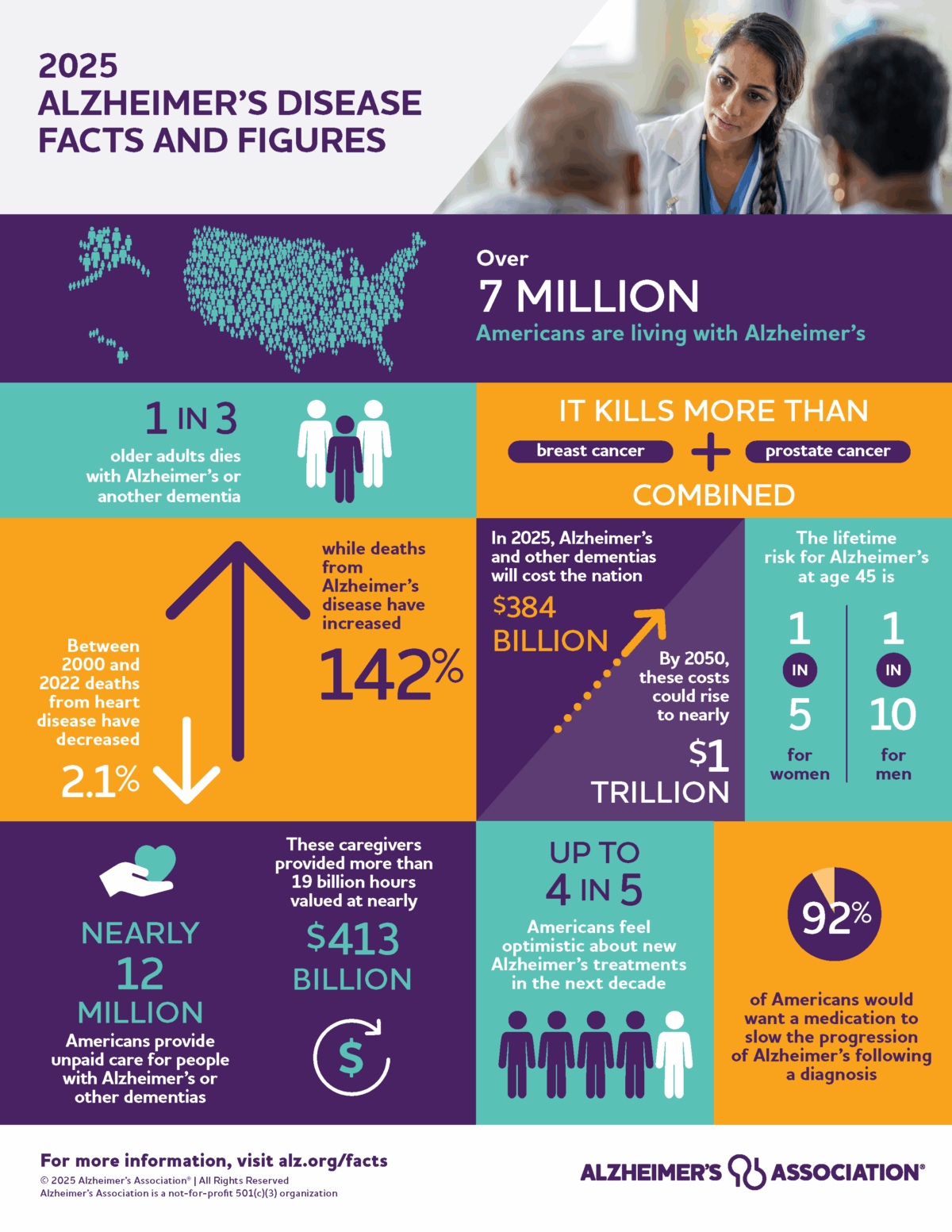
A new analysis of blood pressure trends suggests that chronically low blood pressure—particularly in older adults—may triple the risk of developing Alzheimer’s disease, according to researchers reviewing decades of medical data.
The findings, published across multiple health outlets, highlight a growing body of evidence linking vascular health to cognitive decline, though experts stress that the relationship is not yet fully understood and that further study is needed before any clinical recommendations can be made.
What the Data Shows
Researchers found that individuals with persistently low blood pressure—defined as systolic readings below 120 mmHg—had a threefold higher likelihood of being diagnosed with Alzheimer’s compared to those with normal or slightly elevated readings. The association was strongest in adults over 65, though the study authors noted that the data did not prove causation.

One study cited by health officials emphasized that the risk was particularly pronounced in people whose blood pressure remained low over time, rather than those experiencing temporary dips. “This is not about a single low reading,” said a lead researcher. “It’s about a pattern of sustained hypotension that may contribute to reduced blood flow to the brain over years.”
How Blood Pressure May Influence Alzheimer’s Risk
Experts suggest several potential mechanisms linking low blood pressure to cognitive decline. Chronic hypotension can reduce cerebral blood flow, depriving brain cells of oxygen and nutrients critical for memory and learning. Over time, this may accelerate the buildup of amyloid plaques—a hallmark of Alzheimer’s pathology.
However, the relationship is complex. Some studies have shown that aggressively lowering blood pressure in older adults—particularly those with hypertension—can also increase dementia risk, suggesting a delicate balance. “We’re not saying everyone with low blood pressure should take medication,” cautioned a neurologist. “But these findings do underscore the importance of monitoring blood pressure trends, especially as people age.”
Who Is Most Affected—and What’s Still Unknown
The risk appears most significant for older adults, particularly those over 70, though the data does not yet explain why younger individuals with low blood pressure do not show the same elevated risk. Researchers also noted that the studies relied on observational data, meaning they could not rule out other factors—such as underlying heart conditions or medications—that might influence both blood pressure and cognitive health.
One key limitation: the studies did not track whether interventions—such as lifestyle changes or medications—to raise blood pressure in at-risk individuals could reduce Alzheimer’s risk. “This is an association, not a cause-and-effect relationship,” said a public health analyst. “We need randomized trials to understand whether treating low blood pressure could prevent dementia.”
What Experts Recommend—For Now
Health officials advise that adults over 50 should monitor their blood pressure regularly, but they do not yet recommend routine treatment for low readings in the absence of symptoms like dizziness or fatigue. “If someone has consistently low blood pressure and is concerned about cognitive health, they should discuss it with their doctor,” said a cardiologist. “But this should not replace standard Alzheimer’s risk assessments, which include genetic testing and cognitive screenings.”
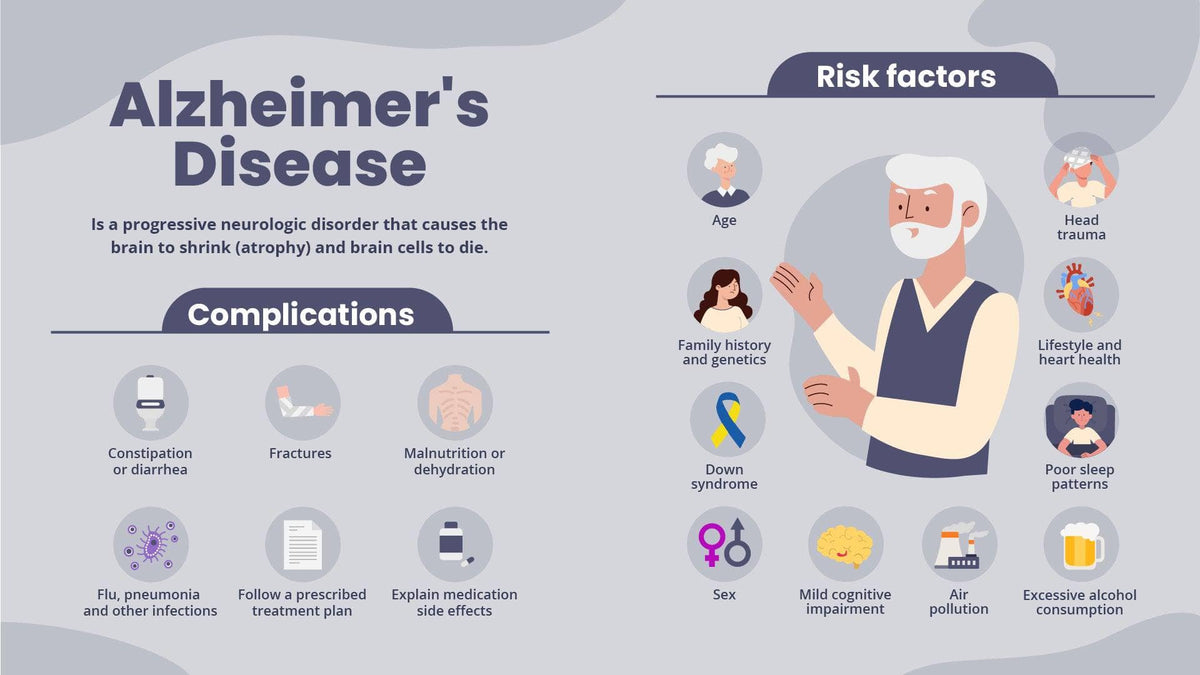
For now, the findings serve as a reminder that blood pressure is not just about hypertension. “Both high and low blood pressure can signal broader vascular health issues that may impact the brain,” said a geriatric specialist. “The message is clear: keep an eye on your numbers, but don’t panic over a single reading.”
What’s Next for Research
Several research teams are planning follow-up studies to explore whether interventions—such as fluid intake adjustments, compression stockings, or targeted medications—to raise blood pressure in older adults could lower Alzheimer’s risk. One ongoing trial, expected to release preliminary results next year, will track cognitive function in participants with sustained low blood pressure over a five-year period.
In the meantime, experts urge caution against overinterpreting the data. “This is an important signal, but not yet a definitive answer,” said a dementia researcher. “We need more evidence before advising widespread changes to blood pressure management.”
