When a Family Bought a Railway: The Unusual Sale of a Playground for Grown-Ups—and Why They’re Keeping It
In a twist that blends nostalgia, real estate innovation, and a dash of whimsy, a property featuring an expansive, fully functional miniature railway system has changed hands—only for the new owners to declare they have no plans to dismantle it. The sale, which closed quietly in a suburban neighborhood, has sparked curiosity about how such a unique asset could exist, why it was sold, and what it means for the future of recreational property development. This isn’t just a story about trains; it’s about the intersection of childhood dreams, adult investments, and the unexpected value of play.
The property, which includes a sprawling layout of tracks, bridges, and operational rolling stock, was originally designed as a private playground for families—but its appeal has transcended its initial purpose. Now, as the new owners prepare to move in, they’re facing a question many would consider bizarre: Do you preserve the railway as a centerpiece of daily life, or do you tear it down to build something more conventional? Their answer could redefine how we think about recreational spaces in residential real estate.
— ###
The Property: A Railway Unlike Any Other
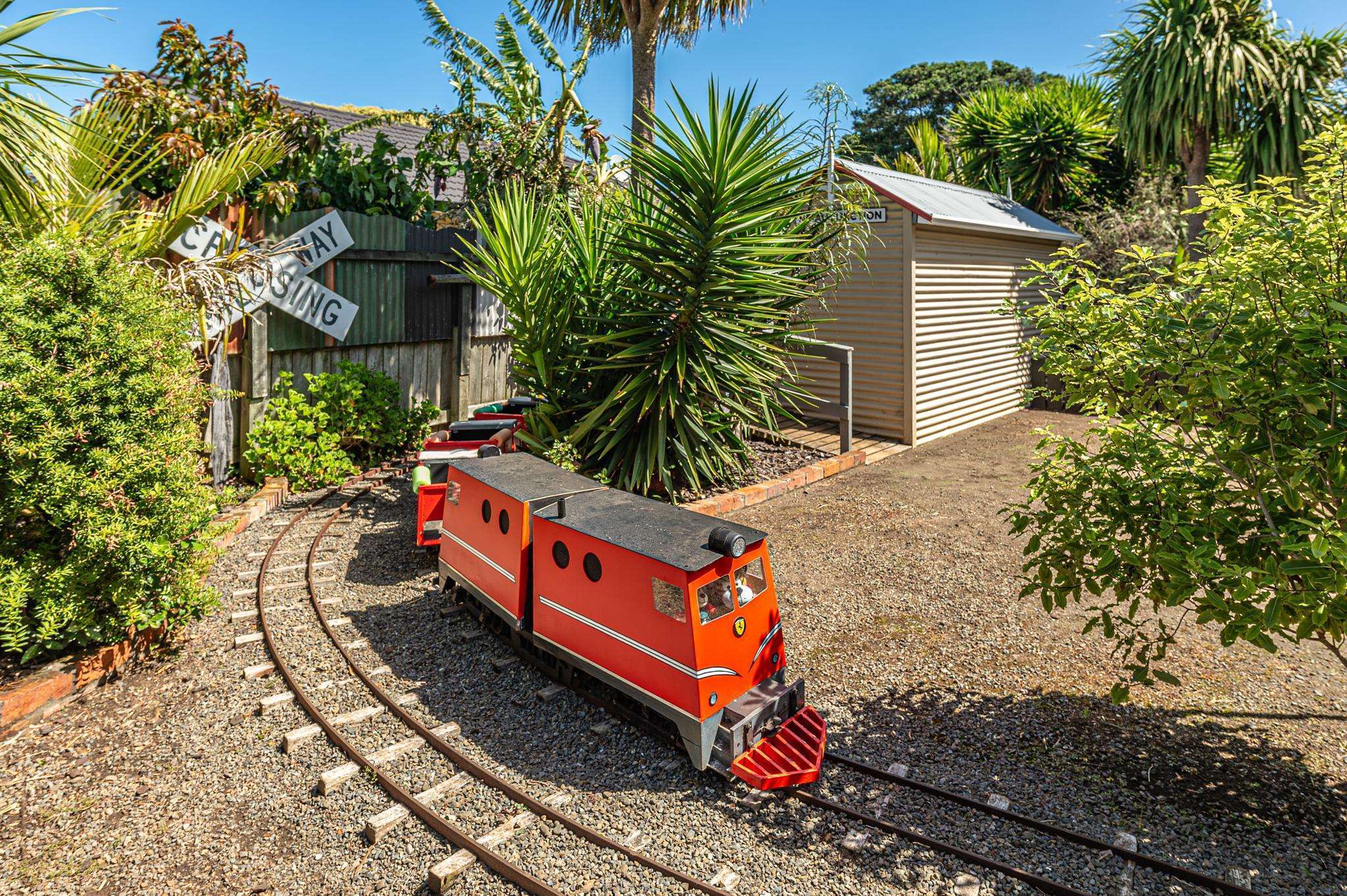
At the heart of this story is a property that defies conventional real estate categories. While most homes are defined by square footage, yard space, or architectural style, this one is distinguished by its fully operational miniature railway system. The tracks—some elevated, some ground-level—weave through what would otherwise be a standard suburban lot, complete with:
- A custom-built locomotive capable of carrying passengers (or cargo, depending on the day).
- Multiple themed train cars, including passenger coaches, a caboose, and even a freight car section.
- Operational signals and crossings, some with working lights and automated controls.
- A dedicated control room where routes can be planned and managed.
- Landscaping integrated into the railway design, with bridges, tunnels, and scenic stops.
This isn’t a static model railway for display; it’s a functional system designed for regular use. The previous owners, who built it over a decade ago, treated it as both a hobby and a family attraction, hosting neighbors and friends for rides and special events. The railway even includes a small maintenance shed stocked with tools, spare parts, and safety equipment—because, as the sellers noted, “you can’t just leave a train out in the rain.”
Key Point: This railway isn’t a novelty addition; it’s a structural and operational feature of the property, comparable to a pool, home theater, or sports court in terms of maintenance and upkeep.
— ###
Why Was It Sold—and Who Bought It?
The sale itself is unusual not just because of the property, but because of the timing and circumstances. The previous owners, a couple in their late 50s, had spent years expanding the railway system, but life changes—health concerns, downsizing, and the desire to simplify—led them to list the property. What made the sale even more notable was the buyer’s identity.
The new owners are a local family with two young children, who had been searching for a home that would offer both space and unconventional recreational value. Unlike typical buyers who might see the railway as a quirky feature to be removed, this family viewed it as a core selling point. Their realtor described the property as a “once-in-a-lifetime opportunity” to combine residential living with a hands-on hobby that could engage the entire household.
While the sale price remains undisclosed, industry insiders suggest it reflects a premium over comparable properties in the area. The railway system alone doesn’t add traditional market value, but for buyers with specific interests—whether in model railroading, engineering, or simply creating a unique living experience—it becomes a deciding factor.
Key Point: The sale highlights a growing niche in real estate: properties with built-in recreational infrastructure that appeal to hobbyists, families, or those seeking non-traditional lifestyles.
— ###
A Railway in the Backyard: Practicality and Challenges
For most people, a backyard railway is the stuff of childhood fantasies. But for the new owners, it’s a daily reality—and one that comes with practical considerations.
####
Operational Realities
Running a miniature railway isn’t as simple as winding up a toy. The system requires:
- Maintenance: Tracks, wheels, and electrical components need regular checks to prevent derailments or malfunctions.
- Safety: Operational railways—even small ones—must comply with local regulations, especially if they carry passengers (including children).
- Space management: The railway occupies a significant portion of the property, which may limit other uses like gardening or outdoor dining.
- Power and controls: A dedicated control system (often computerized) is needed to manage routes, signals, and speed.
The new owners have already begun assessing the railway’s condition, with plans to:
- Schedule a professional inspection of the tracks and rolling stock.
- Update safety protocols, including child-proofing measures.
- Explore ways to integrate the railway into family activities, such as themed weekend “train days.”
Expert Insight: According to model railway enthusiast forums, properties with operational systems often require 10–20% more maintenance time than a static display. However, the hands-on nature of the hobby can also foster family bonding and creativity.
####
Legal and Neighborhood Considerations
Before the railway can become a permanent fixture, the new owners must navigate:
- Zoning laws: Some municipalities have restrictions on operational model railways, particularly if they involve moving parts or noise.
- Homeowners’ association (HOA) rules: If the property is part of a community with an HOA, modifications to the yard (even for recreational use) may require approval.
- Noise ordinances: While miniature trains are quieter than full-sized ones, they can still generate sound—especially if the system includes horns or announcements.
The previous owners reported that their local planning office had no objections to the railway, as long as it was used responsibly. The new family is hopeful for a similar outcome, but they’re preparing for the possibility of minor adjustments.
— ###
Why This Matters: The Rise of “Recreational Real Estate”
The sale of this railway property is part of a broader trend in real estate: the growing demand for homes that offer built-in entertainment and hobby spaces. While traditional buyers focus on square footage and resale value, a new segment of the market prioritizes:
- Unique recreational features: From indoor putting greens to full-sized basketball courts, some buyers are willing to pay extra for properties that double as play spaces.
- Hobby integration: Properties with workshops, studios, or specialized equipment (e.g., for woodworking, brewing, or aviation) are gaining traction among enthusiasts.
- Intergenerational living: Features like adventure playgrounds or outdoor activity zones appeal to families balancing childcare with adult interests.
Real estate analysts note that these properties often appreciate differently than traditional homes. While a standard house’s value may rely on neighborhood trends or school districts, a property with a distinctive recreational feature can attract a dedicated niche buyer—even if it limits the broader market.
Case Study: In recent years, properties with full-sized amusement park rides (e.g., a working Ferris wheel or roller coaster) have sold in the U.S. And Europe, fetching prices 20–50% above comparable homes. While a miniature railway is on a smaller scale, the principle is the same: uniqueness drives value for the right buyer.
— ###
Reactions: From Curiosity to Caution
The news of the sale has generated a mix of reactions from the community, industry experts, and hobbyists:
- Local neighbors: Some have expressed amusement and envy, while others have raised questions about noise or safety. A few have even inquired about visiting the railway during open days.
- Model railway clubs: Enthusiast groups have taken note, with some members speculating that the property could become a local attraction if the owners host public events.
- Real estate agents: A growing number are advising sellers to highlight unique features in listings, even if they’re not mainstream. “It’s like selling a car with a rare engine modification,” one agent explained. “You’re not appealing to everyone, but you’re appealing to someone.”
- Urban planners: Some have cautioned that while these properties are exciting, they may complicate zoning laws if left unregulated. “You don’t want every backyard to look like a theme park,” noted one planner.
The new owners, meanwhile, are embracing the attention but remain focused on their primary goal: preserving the railway while making it a functional part of family life. “We’re not running a museum,” they’ve said. “Here’s going to be a place where our kids can grow up exploring, and where we can all learn something new together.”
— ###
What’s Next for the Railway Property?
As the new family settles in, several questions remain about the railway’s future:
- Will it remain operational? The family has indicated they plan to keep the system running, though they may adjust routes or themes based on their children’s interests.
- Could it become a community asset? Some local groups have suggested the railway could be used for charity events or educational programs, though the owners have not yet committed to public access.
- Will it influence real estate trends? If this sale sparks more demand for recreational real estate, we may see a rise in properties with built-in hobby spaces—from vineyards to aviation hangars.
- What happens if the family moves? The railway’s resale value will depend on whether future buyers share their enthusiasm. Some hobbyists might see it as a treasure; others might view it as a liability.
For now, the railway stands as a testament to the idea that real estate isn’t just about bricks and mortar—it’s about the experiences we build into our lives. Whether it becomes a local legend or a quietly cherished family tradition, one thing is clear: this property is anything but ordinary.
— ###
Frequently Asked Questions
Q: How much does a property with a miniature railway typically cost?
A: Prices vary widely, but properties with operational railway systems can sell for 10–30% more than comparable homes, depending on the system’s size, functionality, and the local market. A static model railway display would add less value, as it’s considered a decorative feature rather than a structural or operational asset.
Q: Are there legal restrictions on having a miniature railway in a backyard?
A: Regulations depend on location, but common considerations include:
- Zoning laws (some areas restrict operational model railways in residential zones).
- Homeowners’ association (HOA) rules (many HOAs require approval for permanent outdoor structures).
- Noise ordinances (even miniature trains can generate sound, especially if they include horns or announcements).
- Safety codes (if the railway carries passengers, it may need to meet child safety standards or local amusement ride regulations).
Always check with local planning offices before installing or modifying a railway system.
Q: Can a miniature railway increase a property’s resale value?
A: It depends on the buyer’s market. For niche hobbyists (e.g., model railway enthusiasts), a well-maintained system can be a major selling point. However, for the average buyer, it may reduce appeal if they see it as a maintenance burden. Properties with unique recreational features often sell faster to the right buyer—but at a price that reflects their specialized nature.
Q: How much maintenance does an operational miniature railway require?
A: Maintenance varies by system size and usage, but experts estimate:
- Weekly checks: Inspecting tracks for debris, lubricating wheels, and testing controls.
- Monthly upkeep: Cleaning tracks, checking electrical connections, and replacing worn parts.
- Seasonal reviews: Adjusting for weather (e.g., removing snow or repairing storm damage).
- Annual professional service: Recommended for complex systems to ensure safety and longevity.
Compared to a static model, an operational railway requires 3–5 times more upkeep.
Q: Are there famous examples of properties with miniature railways?
A: Yes! Some notable cases include:
- A California estate featuring a half-mile miniature railway that was sold to a collector for over $2 million.
- A UK mansion with a fully automated railway system integrated into the gardens, used for private events.
- Several hotels and resorts that offer guest-accessible miniature railways as a unique attraction.
While most are private, these examples show how railway properties can become high-value assets for the right owners.
Q: Could this trend grow in the future?
A: Absolutely. As real estate markets become more competitive, buyers are increasingly seeking differentiators—whether through smart home technology, sustainable features, or recreational spaces. Miniature railways and other hobby-integrated properties could become more common, especially in:
- Suburban areas with large lots and fewer zoning restrictions.
- Communities with active hobbyist groups (e.g., model train clubs, aviation enthusiasts).
- Regions where unique properties attract media attention, potentially boosting local tourism.
However, widespread adoption may be limited by legal and practical challenges, such as HOA rules and maintenance demands.
—
This article was last updated to reflect the most recent developments in recreational real estate trends. For more insights on unique property investments, explore our related guides on niche real estate opportunities and hobby-integrated home design.
