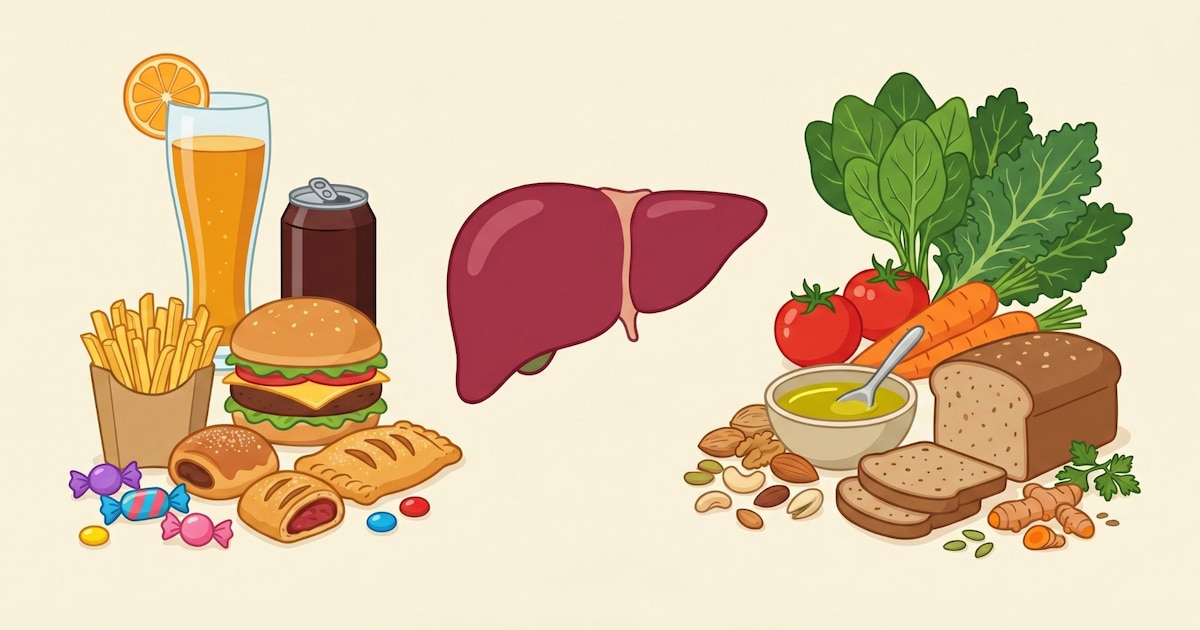
Health experts have identified specific dietary habits that significantly strain liver function, emphasizing the role of daily food choices in liver health. A review of recent research highlights how certain consumption patterns contribute to liver inflammation and long-term damage, according to a collaborative analysis by medical professionals across multiple institutions.
What the Research Shows
Studies indicate that frequent intake of processed foods, sugary beverages, and refined carbohydrates places substantial stress on the liver. Researchers note that these habits are linked to increased fat accumulation in liver cells, a condition known as hepatic steatosis. One study found that individuals consuming more than two sugary drinks daily had a 40% higher risk of developing non-alcoholic fatty liver disease compared to those who consumed fewer such beverages.

Additionally, the overconsumption of fried foods and red meat has been associated with elevated liver enzyme levels, a marker of organ stress. A 2023 study published in a peer-reviewed journal reported that participants who regularly consumed fried foods exhibited higher levels of alanine aminotransferase (ALT), an enzyme that signals liver damage when present in excess.
Recommendations for Liver Health
Experts advise prioritizing whole foods, including vegetables, whole grains, and lean proteins, to support liver function. A diet rich in antioxidants, such as those found in berries and leafy greens, is recommended to combat oxidative stress. Health officials also emphasize the importance of limiting alcohol intake, as even moderate consumption can exacerbate liver inflammation.
For individuals with existing liver conditions, dietary modifications are critical. A clinical guideline from a leading medical association suggests reducing intake of high-fructose corn syrup and trans fats, which are prevalent in packaged snacks and fast food. The guidance also encourages regular physical activity to complement dietary changes.
Limitations and Unanswered Questions
While the research establishes a correlation between specific dietary habits and liver stress, causation remains unclear in some cases. Researchers acknowledge that factors such as genetics, coexisting health conditions, and environmental exposures may influence outcomes. A 2022 meta-analysis highlighted the need for longitudinal studies to determine the long-term effects of dietary interventions on liver health.
Additionally, the impact of occasional indulgence versus chronic consumption is not fully understood. Some studies suggest that occasional high-fat meals may not pose significant risks for healthy individuals, but the cumulative effect of poor dietary choices over time remains a concern.
What’s Next for Research
Future studies aim to explore the role of gut microbiota in liver health and how dietary changes affect microbial balance. A planned clinical trial will investigate the efficacy of personalized nutrition plans in reducing liver fat accumulation. Researchers also plan to examine the impact of emerging food trends, such as plant-based diets, on liver function.
