
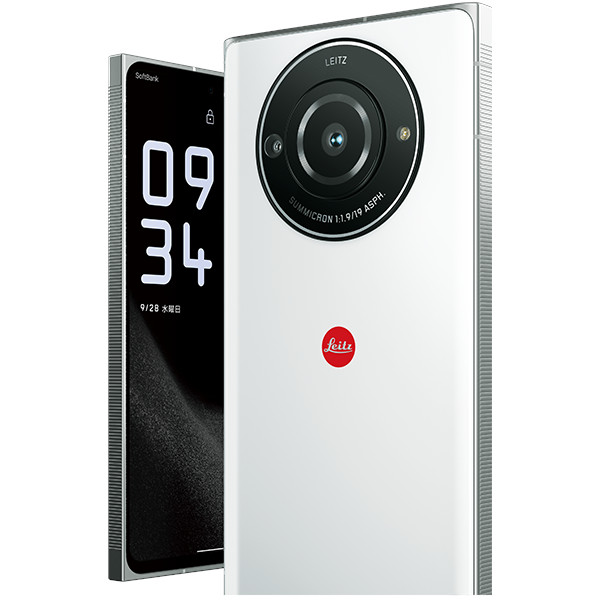
The German camera manufacturer Leica has unveiled a new smartphone collaboration, sparking immediate interest in both tech and luxury markets. The device, dubbed the “Leica Leitzphone,” features a high-end camera system co-developed with a local startup, marking a strategic shift for the brand into the mobile technology sector.
The partnership, announced on Monday, highlights Leica’s continued focus on premium imaging solutions. The smartphone, priced at €1,499, includes a 108-megapixel camera lens engineered to rival professional photography equipment. Industry analysts note the move as a bold attempt to capitalize on the growing demand for mobile photography tools among affluent consumers.
Market Reactions and Analyst Perspectives
Shares of Leica’s parent company, Leica Microsystems, rose 2.3% in early trading as investors greeted the announcement. “This is a calculated risk to diversify beyond traditional optics into consumer electronics,” said Dr. Hans-Werner Klein, a tech industry analyst at Berlin-based Voss Research. “However, the challenge lies in maintaining Leica’s heritage while competing with established smartphone giants.”
The collaboration also involves a Lithuanian tech firm, Lrytas, which provided the device’s AI-powered image processing software. Lrytas CEO Aistė Vaitkutė emphasized the partnership’s potential to “bridge the gap between professional photography and everyday users.” The company’s stock surged 5.1% following the news, reflecting investor optimism about the deal’s scalability.
Technical Specifications and Consumer Appeal
The Leica Leitzphone boasts a 6.8-inch AMOLED display, 12GB of RAM, and a 5,000mAh battery. Its camera system includes a triple-lens setup with a 10x optical zoom, alongside a “Leica Portrait Mode” optimized for human subjects. The device is set for a global launch in late 2024, with pre-orders expected to open in September.
Consumer electronics experts remain divided on the product’s market viability. “Leica’s brand equity is undeniable, but the smartphone market is saturated with high-performing alternatives,” said Markus Ritter, a tech commentator at TechInsight Weekly. “This could succeed as a niche luxury item, but mass adoption remains uncertain.”
Regulatory and Supply Chain Considerations
The project faces potential hurdles, including semiconductor supply chain constraints and EU regulatory scrutiny over data privacy. Leica has stated that the device will comply with the bloc’s strict data protection laws, though the specifics of its AI software remain under review.
the company has partnered with a Frankfurt-based logistics firm to manage global distribution. This marks Leica’s first major foray into large-scale consumer electronics manufacturing, a shift that could strain its traditional supply chain networks.
What Comes Next
Leica plans to release a detailed product roadmap in the coming weeks, including pricing for additional storage variants and accessory options. The company has also hinted at future collaborations with other tech firms, though no specifics were provided.
