Heroism on Two Wheels: How a Quick-Thinking Cyclist Saved Four Lives in Germany’s Ruhr Region
In a moment where seconds determined the boundary between life and death, a routine bike ride in Germany’s industrial heartland transformed into a scene of extraordinary bravery. A local cyclist, who happened to be passing by the banks of the Ruhr, intervened in a critical emergency to rescue four individuals who were on the verge of drowning. This act of selfless courage has since captured public attention, sparking a wider conversation about civilian bravery and the hidden dangers of urban waterways.
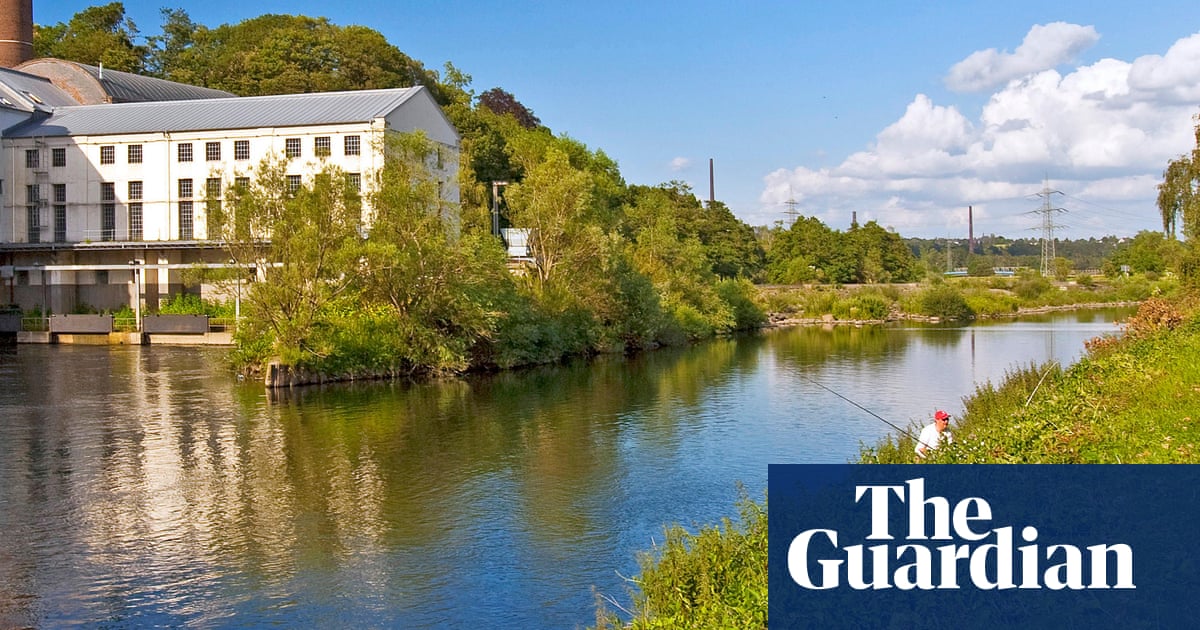
The incident, which has been widely discussed in reports such as those where a cyclist praised for rescuing four people who nearly drowned in Ruhr, Germany – The Guardian highlights the event, serves as a stark reminder of how unpredictable water environments can be. While the rescue ended successfully, the circumstances surrounding the near-tragedy reveal much about the risks associated with the region’s river systems and the vital importance of immediate, decisive action during a crisis.
The Anatomy of a Rescue: What Happened on the Banks of the Ruhr
The event unfolded with terrifying speed. The cyclist was navigating a path along the Ruhr when they spotted a group of four people struggling violently in the water. Witnesses and subsequent reports indicate that the victims had become trapped by currents or were unable to navigate back to the shore, leading to a state of panic and imminent exhaustion.
Rather than waiting for professional emergency services to arrive—which, despite the efficiency of German first responders, can take several crucial minutes—the cyclist immediately pivoted from a commuter to a first responder. Recognizing that the victims were losing their fight against the current, the individual entered the water to pull the struggling swimmers to safety.
The rescue was not without its own risks. Rescuing a single panicked person is a dangerous feat; rescuing four requires immense physical strength and mental fortitude. Panicked swimmers often inadvertently pull their rescuers under in a desperate attempt to stay afloat. However, through a combination of luck, strength, and composure, the cyclist managed to stabilize the group and ensure all four reached dry land before they succumbed to the water.
“The difference between a tragedy and a miracle often comes down to a single person deciding that they cannot simply watch and wait. In this instance, the cyclist’s refusal to be a passive bystander saved four lives.”
Key Timeline of the Incident
- Discovery: The cyclist spots four individuals in distress in the Ruhr river.
- Immediate Action: The cyclist abandons their bike and enters the water to provide direct assistance.
- The Struggle: A series of high-stress maneuvers to pull the exhausted swimmers toward the bank.
- Extraction: All four victims are successfully brought to shore.
- Emergency Arrival: Professional paramedics and fire rescue teams arrive to provide medical stabilization and check for secondary drowning.
Understanding the Ruhr: A Geography of Hidden Danger
To the casual observer, the Ruhr region—the industrial powerhouse of North Rhine-Westphalia—might seem like a landscape of steel and concrete. However, it is crisscrossed by a complex network of rivers, canals, and streams. While these waterways provide scenic routes for cyclists and pedestrians, they harbor significant risks that are often underestimated by locals and tourists alike.
The Ruhr river and its surrounding canals are not designed for swimming. Unlike managed swimming lakes or beaches, these waters are subject to industrial runoff, varying depths, and unpredictable undercurrents. The banks can be slippery, and the water temperature, even in summer, can trigger “cold shock,” causing an immediate gasp reflex that leads to water inhalation and rapid drowning.
| Risk Factor | Impact on Swimmers | Danger Level |
|---|---|---|
| Undercurrents | Can pull swimmers away from the shore unexpectedly. | High |
| Cold Shock | Causes sudden inhalation of water and muscle cramping. | Medium-High |
| Industrial Debris | Hidden objects can cause injury or entanglement. | Medium |
| Slippery Banks | Makes exiting the water difficult once exhausted. | High |
The fact that four people were caught in this predicament suggests a possible group excursion that went wrong, or perhaps an underestimate of the river’s power. In many such cases, a single person gets into trouble, and others attempt to save them, only to be pulled into the same dangerous current—a phenomenon known as “rescuer’s trap.”
The Psychology of ‘Zivilcourage’: Civil Courage in German Society
The act of the cyclist is a textbook example of what is known in Germany as Zivilcourage, or “civil courage.” This term describes the willingness of an individual to stand up for others or intervene in dangerous situations, even when there is a personal risk involved or when the majority of people are remaining passive.
Psychologically, many people fall victim to the “Bystander Effect,” where the presence of other people leads to a diffusion of responsibility. Individuals assume that someone else has already called for help or that someone more qualified will step in. The cyclist in the Ruhr rescue bypassed this psychological barrier, moving from observation to action in a matter of seconds.
Why Some People Intervene While Others Hesitate
- Sense of Agency: The belief that one’s own actions can actually change the outcome.
- Risk Assessment: A rapid calculation of the danger versus the certainty of death for the victims.
- Empathy Drive: A strong emotional response to the distress of others that overrides the instinct for self-preservation.
- Prior Experience: While not always the case, individuals with a background in sports, swimming, or first aid are more likely to act.
By acting decisively, the cyclist not only saved four lives but also provided a powerful example to the community. The subsequent praise and recognition serve to reinforce the value of Zivilcourage, encouraging others to be mindful and proactive in their own environments.
Water Safety: Preventing Future Tragedies
While the story of the cyclist praised for rescuing four people who nearly drowned in Ruhr, Germany – The Guardian is an inspiring one, it also highlights a critical need for public education on water safety. Drowning is often a “silent” event; unlike the splashing and screaming depicted in movies, real drowning usually involves a struggle for air where the person cannot call out for help.
Experts in water safety emphasize that the best rescue is the one that never has to happen. For those spending time near the Ruhr or similar urban waterways, several precautions are essential.
Essential Water Safety Guidelines
- Avoid Unmanaged Waters: Never swim in rivers or canals where swimming is not explicitly permitted. Industrial waterways are vastly different from swimming pools.
- Understand ‘Reach, Throw, Row, Go’: This is the gold standard for rescue.
- Reach: Try to reach the person with a branch or pole.
- Throw: Throw a flotation device or rope.
- Row: Use a boat if available.
- Go: Entering the water should be the absolute last resort, as it puts the rescuer at extreme risk.
- Recognize the Signs of Drowning: Look for “glassy” eyes, a head low in the water, and a vertical position with no supportive kicking.
- Avoid Alcohol Near Water: Alcohol impairs judgment and coordination, making it easier to slip into the water and harder to swim out.
For those interested in learning how to handle these situations professionally, taking a certified lifeguard or first-aid course is highly recommended. Related explainer on water safety training can provide more depth on these certifications.
The Aftermath and Community Impact
Following the rescue, the local community and regional authorities have lauded the cyclist’s actions. In many jurisdictions, such acts of bravery are recognized with official commendations or medals of honor. Beyond the formal awards, the social impact is significant. The story has humanized the Ruhr region, shifting the narrative from one of industrial output to one of human connection and heroism.
The four victims, though shaken and likely suffering from the psychological trauma of a near-death experience, were able to return to their families. This outcome is a direct result of a stranger’s willingness to risk their own safety. It raises a poignant question: what would have happened if the cyclist had been five minutes later, or if they had chosen to simply call the police and watch from the shore?
The incident has also prompted local councils to review the signage and safety barriers along the river paths. While it is impossible to eliminate all risks, improving the visibility of danger warnings can prevent others from entering the water in the first place.
Comparative Analysis: Civilian vs. Professional Rescues
While professional rescuers have the equipment (life jackets, ropes, boats), civilians have the advantage of proximity. In drowning incidents, the “golden window” for rescue is incredibly short. Often, the first person on the scene is the only one who can prevent a fatality before the heart stops or the lungs fill with water.
However, the risks to the civilian are far higher. The cyclist in this case was exceptionally lucky and skilled. In many other instances, “heroic” attempts end in double tragedies. This underscores the importance of training and the bravery inherent in the Ruhr rescue.
Addressing Common Misconceptions About Drowning
In the wake of stories like this, several myths about drowning often resurface. It is crucial to correct these to ensure the public is better informed.
Myth 1: “You can tell someone is drowning because they are splashing and screaming.”
Reality: Most drowning victims are unable to call for help because the respiratory system is prioritized for breathing, not speaking. They often look like they are “climbing a ladder” in the water, silently struggling.
Myth 2: “If you fall in, you should just swim as hard as you can toward the shore.”
Reality: In strong currents, swimming directly against the flow can lead to rapid exhaustion. The safer method is often to swim diagonally with the current toward the shore.
Myth 3: “Cold water only affects you if you stay in for a long time.”
Reality: Cold shock happens within seconds. It can cause an involuntary gasp, which, if the head is underwater, leads to immediate aspiration of water into the lungs.
For more information on emergency response protocols, you may want to read our comprehensive guide on emergency response protocols.
Frequently Asked Questions
Who was the cyclist who saved the four people in the Ruhr?
The cyclist was a local individual who happened to be passing by the river at the exact moment the emergency occurred. While their identity has been kept relatively private in some reports to avoid overwhelming attention, they have been widely praised by the public and local authorities for their bravery.
Where exactly in the Ruhr region did this happen?
The incident took place along the banks of the Ruhr river in Germany. The Ruhr is a major waterway in the North Rhine-Westphalia state, known for its industrial history and extensive network of cycling and walking paths.
What are the dangers of swimming in the Ruhr river?
The Ruhr is not a designated swimming area. Dangers include unpredictable undercurrents, cold water temperatures that can cause shock, industrial pollution, and hidden underwater debris that can trap or injure swimmers.
What is ‘Zivilcourage’ and why is it relevant here?
Zivilcourage is the German term for “civil courage.” It refers to the act of intervening in a dangerous or unjust situation to help others, despite personal risk. The cyclist’s decision to enter the water to save four strangers is a prime example of this cultural value.
How can I help someone who is drowning without putting myself in danger?
Follow the “Reach, Throw, Row, Go” method. Always try to reach them with an object, throw them a flotation device, or use a boat before ever considering entering the water yourself. If you must enter, ensure you have a way to stay buoyant and a plan for how to exit the water.
Were the four victims injured in the incident?
While the victims were in critical danger and nearly drowned, they were successfully rescued and received medical attention from emergency services upon reaching the shore. They survived the ordeal thanks to the cyclist’s intervention.
The story of the rescue in the Ruhr serves as a powerful testament to human kindness and the impact of a single individual’s bravery. It reminds us that while we should always respect the power of nature and follow safety warnings, the spirit of helping one’s fellow human remains one of the most potent forces in society. As the community continues to celebrate this act of heroism, the lesson remains: awareness, quick thinking, and the courage to act can truly make the difference between a tragedy and a triumph.
