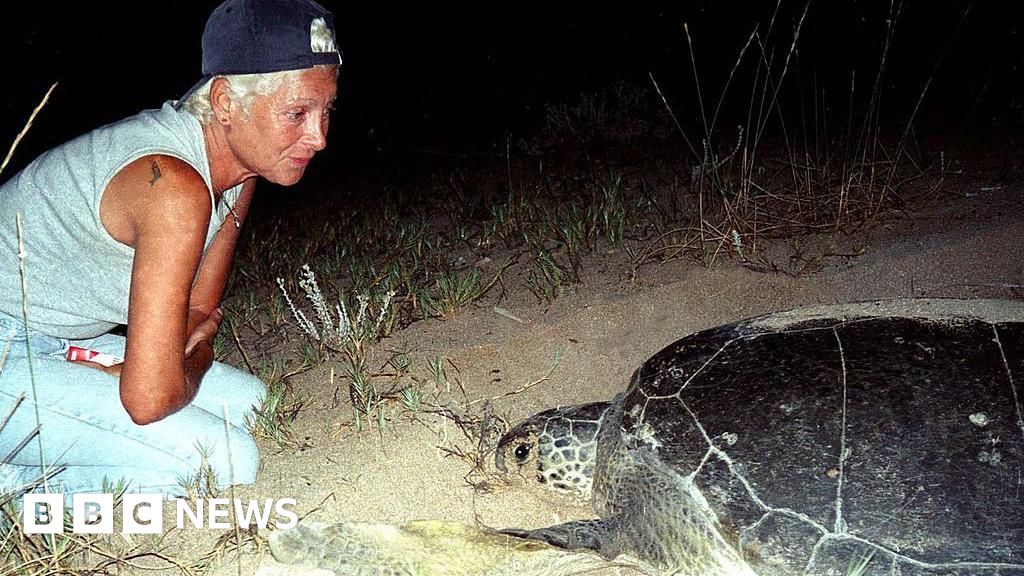
Lebanese Turtle Conservationist Mona Khalil Killed by Israeli Strike: Impact on Environmental Efforts in Lebanon
Mona Khalil, a prominent Lebanese turtle conservationist, was killed during an Israeli airstrike in Lebanon. According to reporting by the BBC, Khalil was a key figure in protecting endangered sea turtle populations, marking a significant loss for Mediterranean marine conservation efforts amid the ongoing regional conflict.
How did the death of Mona Khalil occur?
Mona Khalil died following an Israeli military strike in Lebanon. While specific tactical details of the strike remain under review by international observers, the BBC reports that Khalil was among the casualties of the operation. The strike occurred during a period of intensified military activity in the region, where airstrikes have targeted various locations across Lebanese territory.
Reports indicate that Khalil was not a combatant. Her death has drawn attention to the risks faced by civilians and environmental professionals operating in conflict zones. The loss is viewed by local activists as a blow to the grassroots environmental movements that operate with minimal funding and high personal risk in Lebanon.
The incident follows a pattern of civilian casualties reported in the region. According to official Lebanese health records and international monitors, the strikes have affected a wide range of non-military infrastructure and individuals. In the case of Khalil, the impact extends beyond the immediate loss of life to the disruption of critical ecological monitoring programs.
Who was Mona Khalil and what was her role in conservation?
Mona Khalil was a dedicated environmentalist specializing in the protection of sea turtles. Her work focused primarily on the Mediterranean coast of Lebanon, a critical nesting ground for several endangered species. According to colleagues and local conservation groups, Khalil was instrumental in managing beach patrols and ensuring that turtle nests remained undisturbed during the hatching season.
Her efforts centered on three primary objectives:
- Nest Protection: Identifying and marking nests to prevent accidental destruction by coastal development or tourism.
- Hatchling Safety: Ensuring that newly hatched turtles reached the ocean safely, often by removing obstacles or redirecting them away from artificial lights.
- Community Education: Training local volunteers and fishermen to recognize the importance of sea turtles and the legal protections surrounding them.
Khalil’s work was particularly vital because sea turtles are highly sensitive to environmental disturbances. The Mediterranean region hosts several species that are listed as vulnerable or endangered. By establishing a presence on the beaches, Khalil provided a layer of protection that official state mechanisms often lacked due to economic instability in Lebanon.
“The loss of a dedicated conservationist like Mona Khalil is not just a human tragedy but an ecological setback for the entire Mediterranean coastline.”
Why is turtle conservation critical in Lebanon?
Lebanon’s coastline serves as a vital corridor for migratory sea turtles. The species found in these waters are under constant threat from poaching, plastic pollution, and habitat loss. According to marine biologists, the absence of consistent monitoring can lead to a sharp decline in successful hatching rates.

The primary species Khalil worked to protect include the Loggerhead and the Green sea turtle. These animals are “keystone species,” meaning they play a disproportionate role in maintaining the health of the marine ecosystem. For example, Green turtles graze on seagrass, which helps maintain the health of the seabed and provides habitats for other marine life.
| Species | Conservation Status | Primary Threat in Lebanon |
|---|---|---|
| Loggerhead (Caretta caretta) | Vulnerable | Coastal development, bycatch in fishing nets |
| Green Turtle (Chelonia mydas) | Endangered | Pollution, illegal poaching of eggs |
| Leatherback (Dermochelys coriacea) | Vulnerable | Plastic ingestion, climate change |
When a lead conservationist is killed or forced to flee, the systemic knowledge of specific nesting sites and local patterns is lost. This “knowledge gap” often results in nests being overlooked or destroyed by unplanned construction, which is common in Lebanon’s rapidly changing coastal landscapes.
What is the impact of military conflict on marine biodiversity?
The strike that killed Mona Khalil highlights a broader issue: the intersection of warfare and environmental collapse. Military operations in coastal regions often lead to direct and indirect ecological damage. According to environmental reports on conflict zones, the impacts are usually divided into immediate and long-term categories.
Immediate Ecological Disruptions
Airstrikes and naval activity create significant noise pollution. For sea turtles, which rely on specific environmental cues for nesting and navigation, high-decibel explosions and sonar can disrupt their behavior. Furthermore, the physical destruction of coastal infrastructure can lead to chemical leaks and oil spills that contaminate nesting beaches.
Long-term Conservation Setbacks
The death of experts like Khalil creates a vacuum in leadership. Conservation is often a labor of love driven by a few dedicated individuals. When these people are removed from the equation, the following occurs:
- Cessation of Monitoring: Without patrols, poaching of turtle eggs often increases as enforcement disappears.
- Loss of Funding: International grants for conservation are often tied to the presence of qualified local leads.
- Habitat Neglect: Beach cleaning efforts, which remove plastic and debris that trap hatchlings, typically stop during active conflict.
This creates a “double tragedy” where the human cost of war is compounded by the permanent loss of biodiversity. The Mediterranean is already one of the most stressed marine environments in the world; the addition of military conflict accelerates the risk of local extinction for certain species.
How does the Lebanese environmental community view this event?
The reaction within the Lebanese environmental community has been one of grief and frustration. Local activists argue that the death of a conservationist underscores the indiscriminate nature of the current conflict. They point out that while political and military targets are the stated goals of the strikes, the reality on the ground often involves the loss of civilians who contribute to the country’s social and ecological fabric.
Many in the scientific community have called for the protection of “environmental corridors” and the recognition of conservationists as non-combatants who should be exempt from the dangers of war. There is a growing sentiment that the destruction of Lebanon’s natural heritage is a silent casualty of the war, one that will not be easily repaired once the fighting stops.
Related to this, some activists have suggested that the loss of Khalil is a catalyst for more international pressure to protect Lebanese civilians. They argue that the world should not only mourn the political victims but also those who dedicated their lives to the planet’s survival.
What are the common misconceptions about conservation in war zones?
A common misconception is that environmental work is a “luxury” that can be paused during a war and resumed later. However, ecology does not follow political timelines. Sea turtles nest according to seasonal cycles; if a nesting season is missed due to a lack of protection, an entire year’s worth of reproduction is lost.
Another misconception is that conservationists are merely “volunteers” or “hobbyists.” In reality, professionals like Mona Khalil often apply rigorous scientific methods to their work, collaborating with international universities and NGOs. Their work provides the data necessary for global species recovery plans. When they are killed, the data stream stops, hindering global conservation efforts.
Finally, there is a belief that military strikes are surgically precise and do not affect the environment. In truth, the shockwaves, debris, and subsequent lack of governance in a strike zone create an environment where illegal poaching and environmental degradation flourish. The “precision” of a strike does not account for the ecological vacuum it leaves behind.
Comparing the impact: Human loss vs. Ecological loss
In the reporting of the conflict, the focus is almost exclusively on military casualties and political shifts. However, the death of Mona Khalil allows for a comparison between the immediate human toll and the lingering ecological toll.
While the human loss is an absolute tragedy for her family and community, the ecological loss is a “multiplier.” One person’s death may result in the failure of dozens of nests, which in turn affects the population of a species that takes decades to reach maturity. Unlike a building that can be rebuilt, an extinct local population of sea turtles cannot be restored.
This contrast highlights the need for a more holistic approach to reporting war casualties, including the loss of “human capital” in fields like medicine, education, and environmental science.
Frequently Asked Questions
Who was Mona Khalil?
Mona Khalil was a Lebanese conservationist dedicated to the protection of endangered sea turtles along the Mediterranean coast. She focused on nest protection, hatchling safety, and community education.
How did Mona Khalil die?
According to the BBC, Mona Khalil was killed during an Israeli airstrike in Lebanon. She was a civilian and an environmental professional.
Why is her death significant for the environment?
Her death represents a loss of specialized knowledge and leadership in the protection of Loggerhead and Green sea turtles. Without her guidance, critical nesting sites in Lebanon are more vulnerable to poaching and destruction.
What species of turtles were protected by Khalil?
She primarily worked with the Loggerhead (Caretta caretta) and Green (Chelonia mydas) sea turtles, both of which are critical to the Mediterranean’s marine health.
Does war affect sea turtles?
Yes. War affects sea turtles through direct habitat destruction, noise pollution that disrupts navigation, and the loss of conservationists who protect nests from poachers and developers.
The death of Mona Khalil serves as a stark reminder of the fragility of both human life and natural ecosystems in times of war. As the conflict continues, the loss of those who protect the earth’s most vulnerable species remains a quiet but devastating consequence of the violence. The international community now faces the challenge of ensuring that environmental protection does not become a casualty of geopolitical strife.
