
‘No thanks’: Trump’s wild rant as Iran backflips – News.com.au and the Escalating Rift with Italy
Donald Trump has rejected recent diplomatic shifts from Iran with a blunt “no thanks” while simultaneously engaging in a public dispute with Italian Prime Minister Giorgia Meloni. Meloni has denied claims she “begged” for a photo with Trump, calling the assertions “completely made up” and accusing the former president of pandering to enemies of the West.
What sparked the ‘no thanks’ response to Iran?
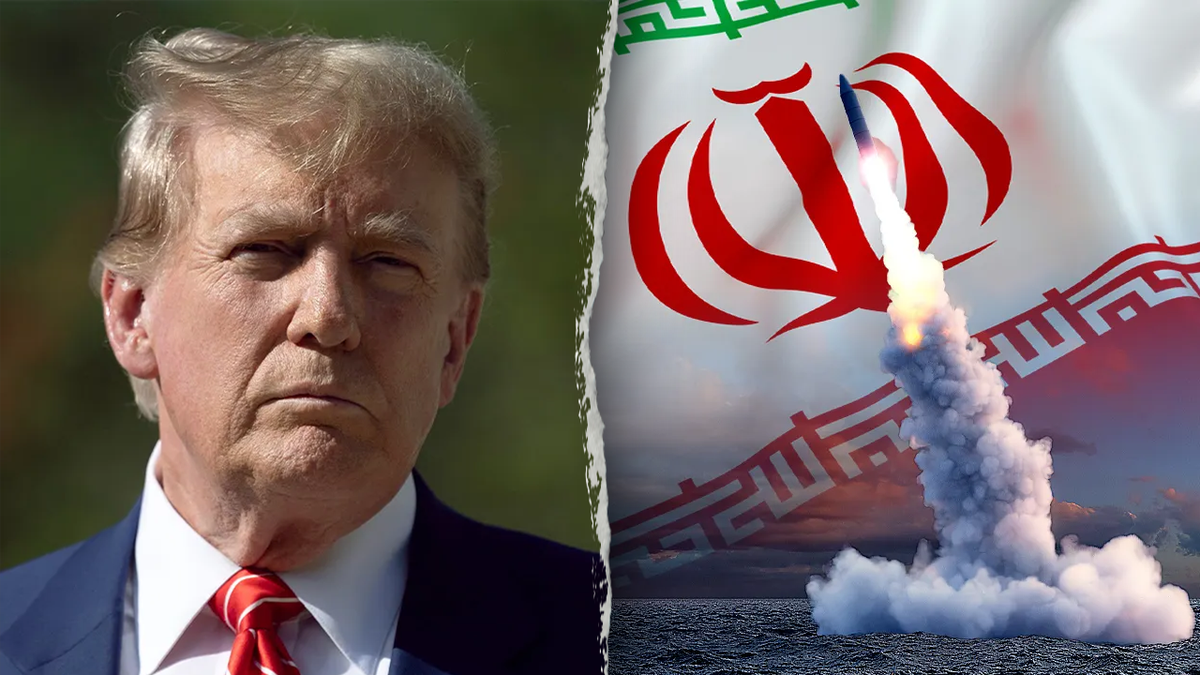
The phrase “‘No thanks’: Trump’s wild rant as Iran backflips – News.com.au” centers on Donald Trump’s reaction to perceived changes in the Iranian government’s diplomatic posture. According to reports, Trump dismissed recent signals from Tehran that suggested a willingness to pivot or negotiate, responding with a rejection of their overtures.
This interaction follows years of volatility between the United States and Iran, specifically regarding the Joint Comprehensive Plan of Action (JCPOA). Trump’s “maximum pressure” campaign during his presidency involved withdrawing the U.S. from the nuclear deal and imposing severe economic sanctions to force Iran to accept more stringent terms. The current “backflip” referenced in reporting suggests an Iranian attempt to soften its stance, which Trump has characterized as insufficient or opportunistic.
Key elements of this diplomatic friction include:
- Sanctions Pressure: The continued impact of U.S. economic restrictions on Iranian oil exports.
- Nuclear Ambitions: Ongoing disputes over Iran’s uranium enrichment levels.
- Regional Proxies: Tensions regarding Iran’s influence in Lebanon, Yemen, and Iraq.
Why is Giorgia Meloni disputing Donald Trump’s claims?
A separate but simultaneous diplomatic row has erupted between Donald Trump and Italian Prime Minister Giorgia Meloni. The conflict began after Trump claimed that Meloni had “begged” him for a photograph during a previous encounter. Meloni has since reacted with visible frustration, describing the claim as “completely made up,” according to reports from SMH.com.au.
The Guardian reports that Meloni was “stunned” by the allegations. The dispute has moved beyond a simple disagreement over a photo opportunity, evolving into a broader critique of Trump’s approach to international relations. Meloni, who leads a right-wing government in Italy, has historically shared some ideological ground with Trump, but this personal friction has highlighted a growing divide in their public personas and diplomatic priorities.
According to the BBC, Meloni responded to the escalating row by telling Trump to “focus on your own popularity” rather than speculating on her interactions with him. This response marks a sharp departure from the typically deferential tone many European leaders adopt when dealing with the former U.S. president.
How has the Trump-Meloni row affected diplomatic relations?
The friction between the two leaders has shifted from a personal spat to a political accusation. The Financial Times reports that Giorgia Meloni has accused Donald Trump of “pandering to the West’s enemies.” This accusation suggests that Meloni views Trump’s rhetoric and policy leanings as detrimental to the security and stability of the North Atlantic Treaty Organization (NATO) and the broader Western alliance.

This rift is particularly notable because Meloni’s party, Fratelli d’Italia, represents a brand of national conservatism that often aligns with the “America First” sentiment. However, her commitment to the European Union and the Atlantic alliance appears to be clashing with Trump’s unpredictable approach to traditional alliances.
The following table compares the core points of contention in these two distinct diplomatic clashes:
| Issue | Conflict with Iran | Conflict with Meloni (Italy) |
|---|---|---|
| Core Trigger | Perceived Iranian “backflip” on diplomacy | Claim that Meloni “begged” for a photo |
| Trump’s Stance | “No thanks” / Rejection of overtures | Claimed Meloni sought his validation |
| Counter-Response | Diplomatic maneuvering by Tehran | “Completely made up” / Focus on own popularity |
| Broader Implication | Failure of “Maximum Pressure” to yield a deal | Accusations of pandering to West’s enemies |
What is the context behind Meloni’s accusations of ‘pandering’?
When Meloni accuses Trump of pandering to the West’s enemies, she is referencing a pattern of rhetoric that has characterized Trump’s relationship with authoritarian leaders. According to the Financial Times, this critique stems from Trump’s tendency to praise leaders who are often viewed as adversaries by the U.S. State Department and European intelligence agencies.
For Meloni, the stakes are high. Italy relies heavily on U.S. security guarantees and intelligence sharing. If the U.S. leadership is perceived as being too lenient or overly complimentary toward adversarial regimes, it undermines the collective bargaining power of the G7 and NATO. Meloni’s public rebuke serves as a signal that Italian conservatism does not equate to an unconditional endorsement of Trump’s foreign policy methods.
This tension is further complicated by the internal politics of Italy. Meloni must balance her right-wing base, which admires Trump’s strength, with her role as a serious international stateswoman who must maintain stability within the Eurozone.
How does the Iran ‘backflip’ fit into current U.S. foreign policy?
The “backflip” mentioned in the context of “‘No thanks’: Trump’s wild rant as Iran backflips – News.com.au” refers to the cyclical nature of Iranian diplomacy. Tehran often signals a willingness to negotiate when facing extreme economic pressure, only to retreat once sanctions are eased or political winds shift in Washington.
Trump’s “no thanks” response is a continuation of his belief that only total capitulation—not incremental diplomacy—will solve the Iranian nuclear issue. This stands in contrast to the approach of the Biden administration, which has attempted to revive the JCPOA through multilateral channels. By publicly rejecting Iran’s current posture, Trump is positioning himself as the only leader capable of resisting “weak” diplomacy.
To better understand this, one can look at a related explainer on the JCPOA and how its collapse created the current vacuum in Middle East diplomacy.
Common misconceptions about the Trump-Meloni dispute
One common oversimplification is that the row is merely about a photograph. While the “begging for a photo” claim was the catalyst, the actual conflict is about status and authority. In the world of high-level diplomacy, the claim that a head of state “begged” for a photo is an attempt to establish a hierarchy where the U.S. leader is the dominant party and the European leader is a subordinate.
Another misconception is that Meloni and Trump are natural allies due to their right-wing politics. While they share views on immigration and national identity, their views on the “Global Order” differ. Meloni operates within the framework of the EU and NATO, whereas Trump has frequently questioned the value of these institutions.
Key points of the current diplomatic friction:
- Personal vs. Political: What started as a dispute over a photo has evolved into a critique of Western alliance stability.
- Rhetorical Style: Trump continues to use blunt, dismissive language (“no thanks”) to signal strength.
- European Pushback: Meloni’s refusal to ignore the photo claim suggests a decrease in the “fear factor” previously associated with Trump’s public attacks on allies.
What are the potential long-term implications?
The combination of a frozen relationship with Iran and a fractured relationship with key European allies like Italy suggests a volatile period for international relations. If Trump returns to power, his “no thanks” approach to Iran could lead to a renewed escalation of sanctions or direct conflict.
Simultaneously, the rift with Meloni indicates that a second Trump term might not see the same seamless alignment with European right-wing populists that some political analysts predicted. If European leaders feel that Trump is “pandering to enemies,” they may seek greater strategic autonomy, reducing their reliance on U.S. security umbrellas.
For Italy, this could mean a more cautious approach to U.S. relations, prioritizing EU cohesion over bilateral ties with a potential Trump administration. For the U.S., it could mean a more isolated position in the fight against global adversaries if the “West” is no longer unified in its rhetoric.
Frequently Asked Questions
What did Trump mean by “no thanks” regarding Iran?
According to reports, Trump used the phrase to reject recent diplomatic signals from Iran, suggesting that he does not believe their current offers or changes in posture are sincere or sufficient to warrant a change in U.S. policy.
Why did Giorgia Meloni call Trump’s claims “completely made up”?
Meloni denied Trump’s assertion that she “begged” him for a photo. According to SMH.com.au and The Guardian, she found the claim stunning and false, viewing it as an unnecessary and inaccurate attack on her professional conduct.
What does “pandering to the West’s enemies” mean in this context?
As reported by the Financial Times, this refers to Meloni’s accusation that Trump’s public praise and lenient rhetoric toward certain authoritarian leaders undermine the security and strategic goals of the U.S. and its Western allies.
Is the dispute between Trump and Meloni based on policy or personality?
While the trigger was a personality clash over a photo, the resulting argument has shifted toward policy, specifically regarding how the U.S. should interact with adversaries and maintain its alliances in Europe.
How does this relate to the Iran nuclear deal?
The tension with Iran is a direct result of the ongoing failure to reach a new nuclear agreement after Trump withdrew the U.S. from the JCPOA during his first term, leading to the current state of “maximum pressure” and mutual distrust.
The trajectory of these disputes suggests a broader trend: the intersection of personal grievances and geopolitical strategy. Whether dealing with the Iranian regime or the Italian Prime Minister, the current rhetoric emphasizes a preference for unilateral strength over collaborative diplomacy. As the U.S. political landscape shifts, these frictions will likely dictate the future of the Atlantic alliance and the stability of the Middle East.
