
“We were so close”: Laos cave rescue called off as conditions deteriorate
A harrowing international rescue effort in the depths of a Laotian cave system has come to a devastating conclusion. After an intense struggle against nature, search operations for two missing men have been officially suspended, leaving families and rescuers grappling with the reality that the environment had simply become too hostile to continue. The decision to halt the mission came as conditions within the cave system deteriorated to a point where the risk to the rescue teams outweighed the possibility of a successful recovery.
The mission, which drew specialized expertise from across the globe, was characterized by a desperate race against time and the unpredictable elements of a flooded subterranean landscape. For those involved, the cessation of the search is a bitter pill to swallow, summarized by the haunting sentiment that they were agonizingly close to finding the missing individuals before the window of opportunity slammed shut.
The Decision to Halt: Why the Search Was Called Off
The suspension of the rescue operation was not a decision made lightly. In the high-stakes world of cave rescue, there is a fine line between a courageous effort and a suicide mission. The primary driver for the cessation of the search was the rapid deterioration of conditions inside the cave, which rendered further penetration into the system untenable.
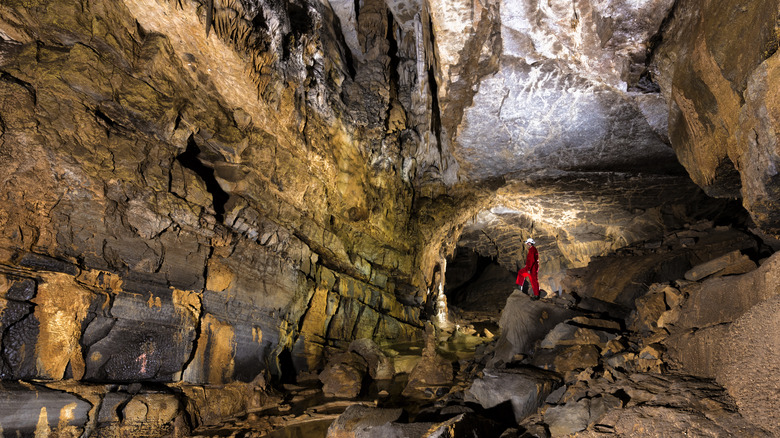
Cave environments are notoriously unstable, especially when water is involved. When rescuers describe conditions as “too dangerous to push ahead,” it typically refers to a combination of factors that create a lethal environment for divers and explorers:
- Rising Water Levels: In flooded cave systems, water levels can fluctuate rapidly due to external weather patterns, potentially trapping rescuers in “sumps” (sections of the cave completely filled with water) with no way to return to the surface.
- Zero Visibility: The movement of divers in cramped spaces often stirs up fine sediment, known as “silt-outs.” This can reduce visibility to zero in seconds, leaving a diver blind in a labyrinth of rock.
- Cramped Restrictions: The search area was described as cramped, meaning divers had to navigate tight squeezes where equipment can snag or where a sudden change in water current could pin a person against a wall.
- Physical and Mental Exhaustion: The psychological toll of searching for missing persons in a dark, oppressive environment, coupled with the physical demand of diving in restricted spaces, creates a critical point of fatigue.
“Too dangerous to push ahead”
This phrase became the defining reality for the team. When the environment shifts from challenging to unsurvivable, the mandate of rescue operations shifts from saving the lost to ensuring that no more lives are lost in the process.
The Perilous Quest: Gold Hunting in the Deep
The tragedy began not as a scientific expedition or a recreational dive, but as a hunt for gold. This motivation adds a layer of desperation and risk to the incident, highlighting the dangers that individuals are often willing to face when lured by the prospect of mineral wealth in remote regions.
Gold hunting in cave systems often involves venturing into undocumented or poorly mapped areas. Unlike professional cave surveys, these excursions may lack the necessary safety redundancies, such as detailed exit maps, sufficient oxygen supplies, or a dedicated surface support team. In this instance, the pursuit of gold led the group into a flooded, cramped environment that eventually became a trap.
| Risk Factor | Impact on the Laos Incident |
|---|---|
| Motivation | Gold hunting often leads explorers into unmapped, high-risk zones. |
| Environment | Flooded and cramped corridors increased the difficulty of egress. |
| Outcome | Two men remain lost; one survivor escaped. |
| Rescue Status | Called off due to deteriorating safety conditions. |
A Survivor’s Account: Days of Darkness and Water
While two men remain lost to the cave, one survivor has emerged to recount the ordeal. His testimony provides a chilling glimpse into the conditions the missing men likely faced. The survivor described days spent stuck in a cramped, flooded environment—a scenario that is a nightmare for any cave explorer.

The psychological experience of being trapped in a flooded cave is profound. The combination of sensory deprivation, the constant pressure of the water, and the uncertainty of whether help is coming creates an environment of extreme stress. For the survivor, the experience was a battle of endurance against the elements. His account underscores the sheer difficulty of the rescue operation, as it reveals just how restrictive and oppressive the cave’s geography truly was.
The survivor’s ability to escape is a testament to either luck or a desperate struggle for survival, but his narrative serves as a stark reminder of why the rescue teams eventually deemed the area too dangerous to enter. If a survivor barely made it out, the prospects for those still trapped in deeper, more deteriorated sections of the cave were grim.
International Expertise: The Role of Josh Richards
The complexity of the Laos cave system required a level of expertise that transcends standard emergency services. This led to the involvement of specialized cave divers, including Josh Richards from South Australia. Cave diving is widely considered one of the most dangerous disciplines in the world, requiring a unique blend of technical diving skill, geological knowledge, and psychological fortitude.
Josh Richards’ participation in the rescue effort highlights the global nature of such crises. When a rescue requires navigating flooded, restricted tunnels, the world turns to a compact community of elite divers who possess the training to handle “overhead environments”—places where you cannot simply swim upward to reach safety.
Following the decision to call off the search, Richards returned to Adelaide. His departure marks the end of the international technical support for the operation. The role of such divers is often agonizing; they are brought in as the “last hope,” and when the environment dictates that they must leave, it often signals the end of the possibility of a rescue.
The Technical Challenges of Cave Diving
To understand why experts like Richards had to leave, one must understand the technical constraints of the environment:
- Gas Management: Divers must follow the “rule of thirds”—one third of the gas to go in, one third to come out, and one third for emergencies. In a deteriorating environment, the “emergency” margin disappears quickly.
- Line Management: In a silt-out, the only way out is a physical guideline. If a line is severed or lost in a cramped space, the diver is effectively lost.
- Equipment Failure: In high-pressure, sediment-heavy water, regulators and torches can fail. In a cave, a single equipment failure can be fatal.
For more on the technical requirements of high-risk rescues, see our related explainer on extreme environment search and rescue.
Analyzing the Implications of the Failed Rescue
The cessation of the search for the two missing men in Laos is more than just a local tragedy; it is a case study in the limits of human intervention against nature. When we hear that rescuers were “so close,” it suggests that the missing men may have been located or were within a reachable distance, but the physical path to them became impassable.
The Ethics of Risk in Rescue
One of the most difficult aspects of this story is the ethical dilemma faced by the mission commanders. There is often public pressure to “keep searching” regardless of the cost. However, professional rescue ethics dictate that the safety of the rescuer is paramount. If the probability of success drops below a certain threshold and the probability of rescuer casualty rises, the mission must end.
In this case, the “deteriorating conditions” likely reached a tipping point where the operation was no longer a rescue mission but a gamble with the lives of the divers. The decision to call it off, while heartbreaking, is the standard professional response to an unsurvivable environment.
The Danger of Unregulated Mining and Exploration
This incident also sheds light on the dangers of unregulated gold hunting. In many parts of Southeast Asia, the allure of precious metals drives individuals into dangerous terrains without proper gear or permits. This creates a secondary burden on state and international rescue services, who must risk their lives to save those who entered these areas without preparation.
Common Misconceptions About Cave Rescues
When stories like this reach the mainstream media, there are often several common misconceptions about how these operations work. It is crucial to clarify these to understand the reality of the Laos tragedy.
Misconception 1: “They can just use robots or drones.”
While technology is improving, flooded, cramped caves are anathema to most robotics. Water interferes with signals, and the tight restrictions make it impossible for most drones or ROVs (Remotely Operated Vehicles) to navigate without getting stuck or tangled in the very debris that makes the cave dangerous for humans.
Misconception 2: “If they were ‘close,’ they should have tried one last time.”
In cave diving, “close” is a relative term. Being ten meters away from a victim is irrelevant if those ten meters are blocked by a collapse or filled with a sump that is too small for a diver to pass through. “Close” in a cave can still be an impassable distance.
Misconception 3: “The rescue was called off because they gave up hope.”
Rescue operations are rarely called off because of a lack of “hope,” but rather because of a lack of “safety.” The decision is based on data—water flow rates, oxygen levels, and structural stability—not on emotional hope.
The Human Toll and the Aftermath
As the equipment is packed away and the international experts return home, the focus shifts to the families of the two men who remain in the cave. The lack of closure that comes with a “called off” search is often more difficult to process than a confirmed recovery. The knowledge that rescuers were “so close” creates a lingering “what if” that can haunt survivors and families for years.
The survivor’s account will likely be the primary source of information regarding the final moments and the conditions within the cave. His story serves as both a warning to others and a tribute to the fragility of human life when pitted against the crushing weight and darkness of the earth.
For those interested in the broader context of safety in remote regions, you may find our guide to international travel safety in rugged terrains useful.
Key Takeaways from the Laos Cave Incident
- Environmental Dominance: Nature remains the final arbiter in cave rescues; no amount of expertise can overcome a physically impassable environment.
- The Cost of Greed: The pursuit of gold led to a catastrophic event, highlighting the risks of unregulated exploration.
- Professionalism in Tragedy: The decision to stop the search, while painful, reflects the necessary safety protocols of elite rescue diving.
- Global Collaboration: The involvement of divers like Josh Richards shows the reliance on a tiny, specialized global community for extreme rescues.
Frequently Asked Questions
Why was the Laos cave rescue officially called off?
The rescue was called off because conditions inside the cave deteriorated to a point where it became too dangerous for the divers to continue. Factors such as flooding and cramped spaces made further attempts to find the missing men an unacceptable risk to the rescuers’ lives.

Who was Josh Richards in the context of this story?
Josh Richards is a specialized cave diver from South Australia who provided critical technical expertise during the rescue operation. He has since returned to Adelaide following the decision to suspend the search.
What led the men into the cave in the first place?
The individuals involved were on a hunt for gold, which led them into the cramped and flooded cave system where they subsequently became trapped.
How many people were lost in the cave?
Two men remain lost in the cave system. One other individual survived the ordeal and was able to recount the experience of being trapped.
Can the missing men be recovered in the future?
While the current search has been called off due to dangerous conditions, recovery depends on whether the environment stabilizes or if new technology becomes available. However, at this stage, the operation has been stopped because the risk was deemed too high.
