
Masters Of The Universe Gets A Disappointing CinemaScore Ahead Of Tough Opening Weekend At U.S. Box Office – ComicBookMovie.com
The cinematic revival of one of the most iconic toy franchises in history is facing an uphill battle. As the new Masters of the Universe prepares for its debut, early indicators suggest a rocky start. The film has received a disappointing CinemaScore, a metric that often serves as a bellwether for a movie’s longevity at the domestic box office. Coming on the heels of mixed critical reviews and high expectations, this audience reaction signals a potentially difficult opening weekend in the United States.
For a production of this scale, which seeks to translate the fantastical world of Eternia and the legend of He-Man into a modern blockbuster, the early reception is more than just a critique of the plot—it is a financial warning sign. In an era where “IP” (Intellectual Property) is the primary currency of Hollywood, the struggle of Masters of the Universe highlights the growing difficulty of converting nostalgia into sustainable box office success.
Understanding the Impact of the Disappointing CinemaScore
To understand why the news that Masters Of The Universe Gets A Disappointing CinemaScore Ahead Of Tough Opening Weekend At U.S. Box Office – ComicBookMovie.com is so significant, one must understand the role of CinemaScore in the industry. Unlike critics’ reviews, which are released before a film opens, CinemaScore polls actual moviegoers immediately after they exit the theater during opening-night screenings.
A “disappointing” score typically suggests that the film failed to meet the expectations of its target audience. For a franchise film, What we have is particularly damaging because these movies rely heavily on “word-of-mouth” to sustain their numbers beyond the first three days. While a massive marketing campaign can drive people into seats on Friday, a poor audience score often leads to a steep drop-off in attendance by the second weekend.
The Correlation Between Audience Sentiment and Box Office Longevity
When a film enters its opening weekend with a lukewarm audience reception, the pressure shifts entirely to the “opening night” crowd. If the core fanbase—the people most likely to see the film first—is underwhelmed, the general public is less likely to follow. For Masters of the Universe, this creates a precarious situation where the film may struggle to recoup its significant production budget.
- Initial Surge: Driven by brand recognition and advertising.
- The Pivot Point: Where CinemaScore and early social media reactions determine if the film expands or shrinks.
- The Long Tail: The ability of a film to remain in theaters for several weeks, which is severely hampered by low audience grades.
Critical Reception: An “Empty” Epic
The audience’s disappointment is mirrored in some of the early critical assessments. Some critics have described the film as an “empty He-Man epic,” suggesting that while the movie may possess the visual scale and spectacle required for a fantasy blockbuster, it lacks the emotional core and narrative depth to make the story resonate.
The challenge of adapting Masters of the Universe lies in its origins. The original series was built on a foundation of bold colors, exaggerated muscles and high-concept fantasy. Translating that “camp” energy into a believable, modern cinematic experience is a delicate balancing act. When a film is labeled as “empty,” it often means the spectacle has overshadowed the substance, leaving viewers with a visual feast that offers little in the way of character development or plot progression.
The tension between delivering a visual spectacle and a meaningful story is a common pitfall for high-budget adaptations of toy lines, often resulting in films that look the part but feel hollow.
Cast Dynamics and the Human Element
Despite the narrative struggles, some of the more positive notes from the production center on the chemistry between the lead actors. Idris Elba, taking on a pivotal role in the film, has spoken about the familial bond he developed with co-star Camila Mendes during filming. Elba noted that he felt like a “real dad” to Mendes throughout the process, suggesting a level of on-screen chemistry that the production hoped would ground the more fantastical elements of the plot.
This focus on the father-daughter dynamic is likely an attempt to provide the “emotional anchor” that critics felt was missing. In many modern epics, the success of the film hinges not on the world-building, but on the relatability of the human relationships at the center of the chaos. Whether this chemistry was enough to save the film from its “empty” narrative remains to be seen in the final box office tally.
| Key Element | Production Goal | Reported Outcome |
|---|---|---|
| Audience Reaction | High enthusiasm/Nostalgia | Disappointing CinemaScore |
| Critical View | Epic scope and storytelling | “Empty” narrative feel |
| Cast Chemistry | Emotional grounding | Positive rapport (Elba & Mendes) |
| Thematic Focus | Modern exploration of masculinity | Mixed reception |
The “Barbie” Comparison: Can Toy IPs Generate Magic?
In the lead-up to the release, industry analysts have questioned whether He-Man could generate the same “movie magic” that propelled Barbie to global dominance. At first glance, the comparison seems unlikely—one is a neon-pink exploration of existentialism and gender, the other is a sword-and-sorcery epic about a muscular warrior. However, the underlying question is the same: Can a property based on a toy line transcend its commercial origins to become a cultural phenomenon?
Barbie succeeded because it did not just lean on nostalgia; it subverted the brand, offered a sharp social commentary, and created a “must-see” event through strategic marketing and a distinct directorial vision. For Masters of the Universe to achieve similar results, it would have needed to offer more than just a faithful recreation of the 1980s aesthetic. It needed a unique “hook” that appealed to people who had never owned a He-Man action figure.
The disappointing early reception suggests that Masters of the Universe may have stayed too close to the “toy” aspect of its identity, failing to evolve into the kind of cinematic event that captures the broader zeitgeist. related explainer on the toy-to-movie trend
Addressing Masculinity in the Age of He-Man
Beyond the spectacle and the box office numbers, the film reportedly attempted to tackle complex themes regarding masculinity. He-Man, as a character, is the embodiment of traditional, hyper-masculine strength. In a modern cinematic landscape, simply being “the strongest man in the universe” is no longer enough to sustain a protagonist’s interest.
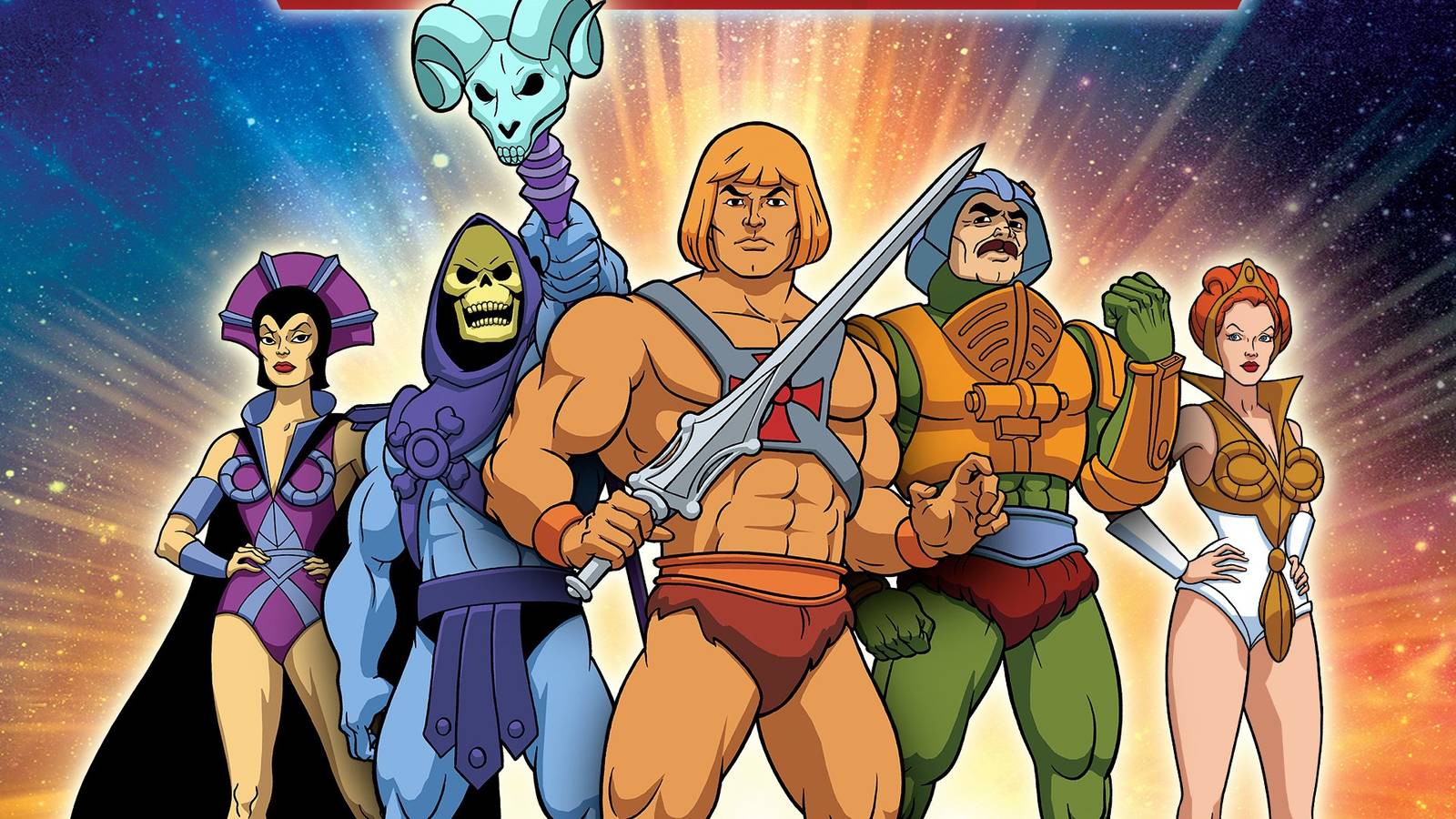
The film’s attempt to “talk about masculinity” suggests a desire to deconstruct the He-Man mythos. By exploring what it means to be a protector, a leader, and a man in a world of absolute power, the filmmakers likely hoped to add a layer of intellectual depth to the movie. However, when a film is criticized as being “empty,” it often indicates that these thematic ambitions were not successfully integrated into the script, resulting in a movie that mentions these themes without actually exploring them in a meaningful way.
The Risks of Thematic Ambition in Blockbusters
There is a recurring tension in big-budget cinema between “four-quadrant” appeal (trying to please everyone) and thematic specificity. When a film tries to be both a mindless action epic and a nuanced study of masculinity, it risks failing at both. If the “talking points” about masculinity feel like tacked-on dialogue rather than organic character growth, audiences often perceive the film as disjointed or pretentious.
The Outlook for the U.S. Opening Weekend
The combination of a disappointing CinemaScore and a critical consensus of “emptiness” paints a grim picture for the U.S. Opening weekend. In the current theatrical climate, audiences are increasingly selective. The “superhero fatigue” seen in other genres has bled into the broader fantasy and IP space, meaning that “brand name” is no longer a guarantee of ticket sales.
For Masters of the Universe, the “tough opening weekend” mentioned in reports is likely a result of several converging factors:
- High Competition: A crowded release calendar where only the most “eventized” films thrive.
- Niche Appeal: A reliance on a nostalgia base that may be smaller than the studio anticipated.
- Negative Momentum: The rapid spread of disappointing audience scores via social media.
The film’s survival will depend on whether it can find a secondary audience—perhaps families or younger viewers who are drawn to the visual effects—to offset the disappointment of the core fanbase. However, history suggests that without a strong CinemaScore, the path to profitability is narrow.
Common Questions Regarding the Masters of the Universe Release
Why is CinemaScore important for the box office?
CinemaScore provides an immediate snapshot of how the general audience feels about a movie. Because it is based on opening-night viewers, it is a highly accurate predictor of whether a movie will have “legs” (sustained ticket sales) or if it will crash after the first weekend.
Who are the lead actors in the new Masters of the Universe movie?
The film features Idris Elba and Camila Mendes in prominent roles, with Elba reportedly portraying a paternal figure to Mendes’ character, creating a central emotional dynamic in the story.
What were the main criticisms of the film?
Critics have largely pointed to a lack of narrative substance, describing the film as an “empty epic” that prioritizes visual scale over emotional depth and character development.
Did the movie attempt to handle modern themes?
Yes, the film reportedly sought to explore themes of masculinity, attempting to modernize the character of He-Man and what his strength represents in a contemporary context.
How does this movie compare to the success of Barbie?
While both are based on toy brands, Barbie succeeded by subverting its IP and creating a cultural movement. Masters of the Universe appears to have struggled to find a similar “magic,” leaning more on traditional epic tropes that failed to fully captivate audiences.
As the final numbers for the opening weekend emerge, the industry will be watching closely. The result will not only determine the fate of this specific film but will also serve as a case study in the ongoing challenge of adapting legacy toy brands for a skeptical modern audience. The transition from a plastic figure to a cinematic icon requires more than just a considerable budget; it requires a soul—something that, according to early reports, this version of Eternia may have lacked. explainer on how CinemaScore impacts box office
