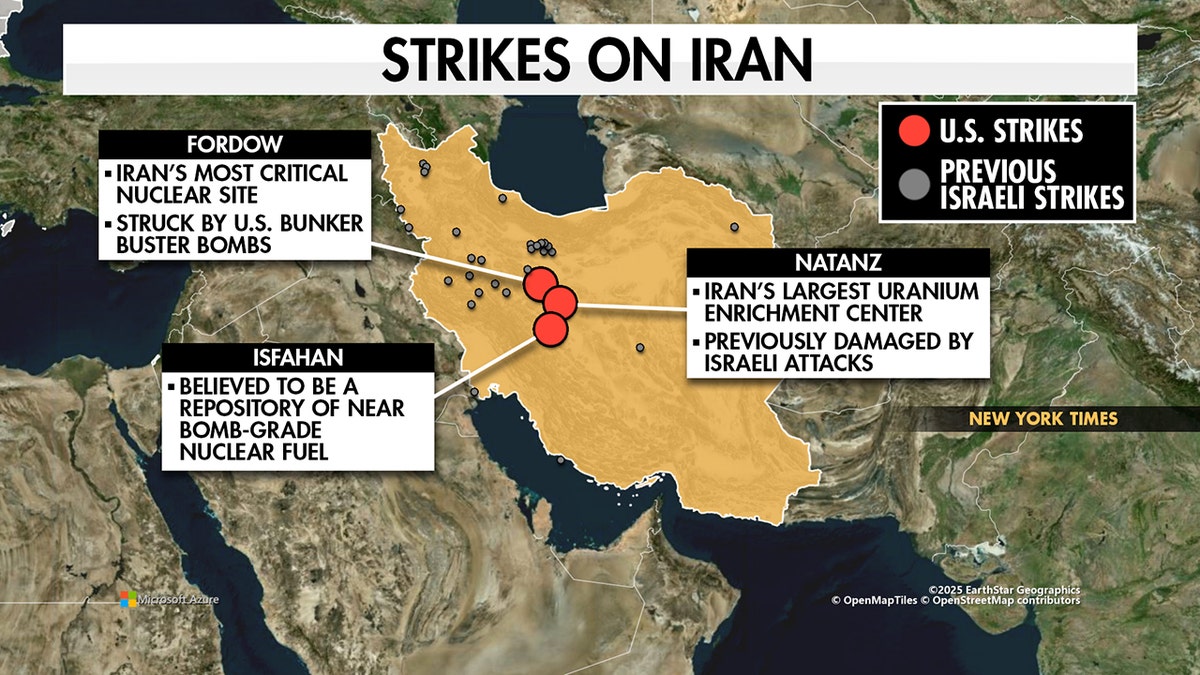
Tensions in the Middle East reached a critical flashpoint following a night of tit-for-tat strikes between the United States and Iran, with the conflict expanding to involve neighboring Gulf states and contributing to a broader regional instability.
Fast Facts
- Primary Combatants: United States and Iran.
- Affected Neighbors: Kuwait and Bahrain, both targeted by Iranian missiles.
- Additional Casualties: Lebanese soldiers killed in a separate Israeli strike.
- Diplomatic Status: Kuwait and Bahrain have formally denounced the escalation.
Gulf States Targeted in Regional Spillover
The conflict intensified after the United States launched an attack against Iranian targets, prompting a retaliatory response from Tehran. In a significant expansion of the engagement, Iran launched missile strikes targeting Kuwait and Bahrain.

The involvement of these neighboring states marks a volatile shift in the confrontation, moving the theater of conflict beyond the direct belligerents and into the heart of the Gulf region.
Diplomatic Condemnation and Outcry
The governments of the targeted nations reacted swiftly to the overnight violence, warning of the potential for further instability. Kuwaiti officials described the recent Iranian strikes in the Gulf as a dangerous escalation
.
Similarly, the government of Bahrain issued a stern condemnation of the attacks, characterizing the Iranian actions as a flagrant aggression
.
Broader Regional Instability
While the primary focus remains on the clash between Washington and Tehran, the violence has coincided with other lethal developments in the region. Reports indicate that Lebanese soldiers were killed following a strike conducted by Israel, further complicating the security landscape in the Levant.
