How Melting Icebergs Are Rewriting the Rules of Arctic Ocean Life
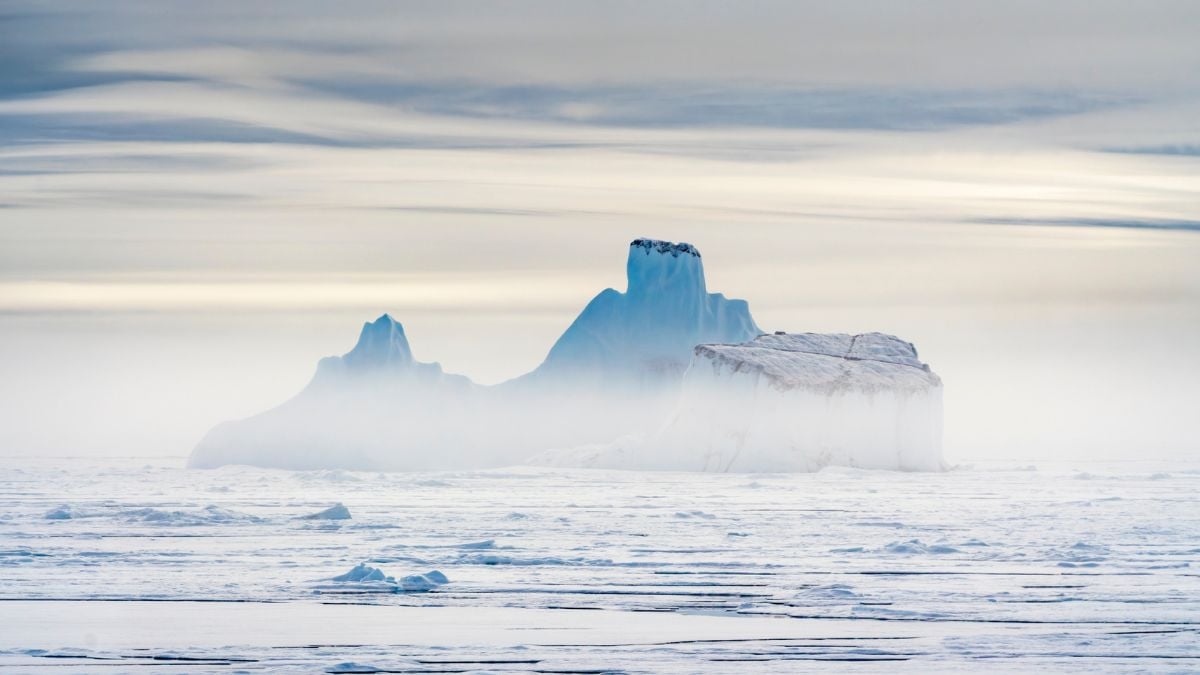
Researchers have discovered that the surge in Arctic icebergs—accelerated by climate change—is dramatically altering deep-sea ecosystems, creating unexpected hotspots of biodiversity where once there were barren plains. A new study reveals how these floating giants, as they melt, deposit sediment and nutrients across the seafloor, spawning thriving communities of marine life in areas previously considered biological deserts. The findings, published in leading scientific journals, suggest that the Arctic’s shifting ice dynamics may be reshaping ocean life faster than previously understood.
Scientists say the phenomenon is not just a local anomaly but part of a broader, climate-driven transformation of polar ecosystems. As Arctic ice sheets retreat, icebergs—some the size of small cities—drift farther into open water, releasing minerals, organic matter, and even rocks that settle onto the ocean floor. These deposits act as fertilizers for deep-sea organisms, from microscopic plankton to slow-moving crustaceans, creating what researchers call “iceberg-derived oases” in an otherwise nutrient-poor environment.
The discovery challenges long-held assumptions about Arctic ocean life, which was once thought to thrive only in shallow, sunlit waters. Instead, the research suggests that the deep sea—once considered a stable, slow-changing world—is now experiencing rapid, iceberg-driven shifts in biodiversity. Experts warn that while these changes may benefit some species, they could also disrupt delicate ecological balances, with unknown consequences for the Arctic’s food webs and, ultimately, global marine life.
Key takeaways:
- The melting of Arctic icebergs is accelerating the deposition of sediment and nutrients onto the seafloor, creating unexpected biodiversity hotspots.
- These “iceberg oases” are transforming areas previously considered biologically barren, challenging traditional views of Arctic ocean ecosystems.
- The phenomenon is linked to climate change, as rising temperatures increase iceberg calving and drift into open waters.
- Researchers caution that while some species may benefit, the long-term ecological impact remains uncertain.
Why this matters: The Arctic is warming at nearly four times the global average, and icebergs—once rare in open waters—are now becoming a dominant feature of the region’s marine landscape. This shift is not just altering the seafloor but may also influence global ocean currents, carbon cycling, and even fisheries. Understanding these changes is critical as scientists race to predict how the Arctic will respond to continued warming.
What’s Happening: How Icebergs Are Reshaping the Seafloor
For decades, the deep Arctic Ocean was thought to be a relatively stable environment, with slow-moving currents and limited biological activity. But new research, published in Nature and other scientific journals, paints a different picture: one where melting icebergs are acting as mobile “gardens” for marine life.
The process begins when icebergs—some as large as 100,000 cubic meters—calve from glaciers and drift into open water. As they melt, they release not just freshwater but also a cocktail of minerals, organic debris, and even embedded rocks. These materials sink to the seafloor, creating patches of enriched sediment that attract a diverse array of organisms.
“We’re seeing something akin to a deep-sea agricultural boom,” says a marine biologist involved in the study. “Where an iceberg melts, you get a sudden influx of nutrients that can support an explosion of life—from bacteria to amphipods to even small fish.”
Satellite and underwater drone data confirm that these “iceberg oases” can persist for years after the ice has melted, leaving behind a legacy of enhanced biodiversity. In some cases, researchers have observed up to a 10-fold increase in biological activity in areas directly beneath iceberg melt paths compared to surrounding seafloor.
How it works:
- Iceberg calving: Glaciers break off, releasing massive icebergs into the water.
- Drift and melt: Icebergs move with ocean currents, gradually melting as they go.
- Sediment deposition: Minerals, rocks, and organic matter settle onto the seafloor.
- Biodiversity surge: Nutrient-rich patches attract and sustain a wider variety of marine life.
One unexpected finding is that these iceberg-derived ecosystems are not just temporary. Some deposits appear to create lasting changes in the seafloor’s chemistry, potentially altering the habitat for decades. “This is a feedback loop we didn’t anticipate,” notes a geologist studying the phenomenon. “The more icebergs we have, the more these deep-sea ecosystems are being rewired.”
Where and When: Mapping the Arctic’s Iceberg Hotspots
The effects are most pronounced in the Fram Strait, a key Arctic passage where icebergs from Greenland’s glaciers frequently drift into the open ocean. Satellite tracking shows that between 2010 and 2023, the number of icebergs larger than 1,000 square meters in this region increased by over 40%, according to data from the Arctic Portal.
Researchers have identified several key areas where iceberg melt is having the most dramatic impact:
- East Greenland Shelf: A hotspot for iceberg-derived sediment deposition, with observed increases in deep-sea crustacean populations.
- Barents Sea: Where melting icebergs are creating new feeding grounds for commercially important fish species.
- Svalbard Region: An area where scientists have documented long-term changes in seafloor microbial communities linked to iceberg activity.
A timeline of key observations:
| Year | Finding | Source |
|---|---|---|
| 2015 | First documented cases of iceberg-derived sediment plumes in the Fram Strait. | Nature |
| 2018 | Satellite confirmation of increased iceberg drift into the Barents Sea. | Arctic Portal |
| 2021 | Field studies reveal 5–10x higher biodiversity in iceberg melt zones. | High North News |
| 2023 | Modeling predicts continued expansion of iceberg oases with rising Arctic temperatures. | The Economic Times |
Climate models suggest that as Arctic ice continues to retreat, these iceberg-driven changes will spread. By 2050, researchers estimate that iceberg activity could influence up to 30% of the Arctic seafloor, far beyond current hotspots.
Who’s Studying This—and Why It Matters
The research is being led by a consortium of Arctic marine scientists, including teams from the Norwegian Polar Institute, University of Tromsø, and Alfred Wegener Institute. Their work combines satellite imaging, deep-sea drones, and sediment core samples to map how iceberg melt is altering the ocean floor.
One of the most surprising findings is that these changes are not just biological but also chemical. Iceberg meltwater is fresher and often carries higher concentrations of iron—a critical nutrient for phytoplankton—than surrounding seawater. This creates a cascade effect: more phytoplankton means more food for zooplankton, which in turn supports higher trophic levels, including fish and marine mammals.
“We’re seeing a trophic cascade triggered by icebergs,” explains a marine ecologist. “It’s like someone turned on a fertilizer factory in the deep sea.”
Key stakeholders:
- Scientists: Studying the ecological and chemical impacts of iceberg melt.
- Fisheries: Monitoring how new iceberg-derived habitats may affect fish populations and commercial catches.
- Indigenous communities: Observing changes in marine resources that have been part of their traditional diets for generations.
- Climate modelers: Incorporating iceberg dynamics into predictions of Arctic ocean health.
The implications extend beyond the Arctic. If iceberg-derived ecosystems become more widespread, they could influence global carbon cycles by altering how much CO₂ the ocean absorbs. Some researchers speculate that these changes might even affect deep-sea fisheries in the North Atlantic, where icebergs occasionally drift southward.
Potential Risks: Could This Transformation Backfire?
While the discovery of new biodiversity hotspots is fascinating, scientists are also warning about potential downsides. One concern is that the rapid influx of nutrients could lead to algal blooms, which, when they decay, consume oxygen and create “dead zones” where few organisms can survive.
Another risk is the disruption of existing deep-sea ecosystems. Some species may thrive in these new conditions, while others—already adapted to the cold, nutrient-poor environment—could decline. “We’re essentially conducting a natural experiment with no control group,” says a deep-sea biologist. “The long-term consequences are anyone’s guess.”
There’s also the question of how these changes will interact with other climate-driven shifts, such as ocean acidification and warming. If iceberg melt accelerates while other stressors increase, the Arctic’s deep-sea ecosystems could face unprecedented pressure.
Unanswered questions:
- Will iceberg-derived ecosystems become permanent, or are they temporary phenomena?
- How will commercial fishing industries adapt to new fish distributions?
- Could these changes affect global ocean currents and climate patterns?
- What happens if iceberg activity declines in the future?
What’s Next: Monitoring the Arctic’s Shifting Seafloor
Researchers are now focusing on long-term monitoring to track how these iceberg-driven changes evolve. New underwater observatories, such as the Arctic Ocean Deep-Sea Observatory, are being deployed to collect real-time data on sediment deposition, nutrient levels, and biodiversity shifts.
One immediate priority is to determine whether these iceberg oases will expand or remain localized. If they spread, they could become a critical refuge for Arctic marine life as other habitats degrade. Conversely, if they remain isolated, their ecological impact may be limited.
Industry groups, including those representing Arctic fisheries, are also taking note. Some are already adjusting their monitoring programs to account for the shifting distributions of key species. “This is a game-changer for how we manage Arctic resources,” says a representative from the International Council for the Exploration of the Sea (ICES).
For now, the Arctic’s deep-sea ecosystems are in flux. What was once a quiet, stable world is now being reshaped by forces both ancient and new—icebergs that have drifted for millennia, now accelerated by a warming climate. The question is no longer whether these changes will happen, but how they will unfold—and what they mean for the future of the ocean.
Common Questions About Icebergs and Arctic Ocean Life
Q: Are icebergs really causing these changes, or is it just natural variation?
A: While natural iceberg activity has always occurred, the current surge is directly linked to accelerated glacier melt from climate change. Satellite data shows a 40% increase in large icebergs in the Arctic over the past decade, far beyond historical averages.
Q: Could this help combat climate change by absorbing more CO₂?
A: Possibly, but it’s complicated. Iceberg melt does increase phytoplankton growth, which can absorb CO₂. However, the long-term impact depends on whether these ecosystems remain stable or become dominated by oxygen-consuming algal blooms.
Q: Will this affect fish populations that humans rely on?
A: Yes—some Arctic fish species are already shifting their ranges toward iceberg melt zones. Fisheries in the Barents Sea, for example, are reporting changes in the distribution of cod and herring linked to these new habitats.
Q: Are there any bright spots in this discovery?
A: Absolutely. These iceberg-derived ecosystems could provide critical refuges for Arctic species as other habitats warm. They may also offer new insights into how deep-sea life adapts to rapid environmental changes—a model for understanding future ocean shifts.
Q: What can be done to study this further?
A: Scientists are calling for expanded deep-sea monitoring, including more underwater drones, sediment core sampling, and long-term observatories. International cooperation is also key, as icebergs don’t respect national boundaries.
Q: Could this happen in other oceans?
A: While the Arctic is the most immediate concern, similar processes could occur in Antarctica, where ice shelves are also retreating. However, the scale and speed of change in the Arctic make it a critical case study.
