
European stock markets closed higher following a diplomatic agreement between the United States and Iran, which investors believe will reopen the Strait of Hormuz. While oil prices declined and Milan’s exchange hit a new record led by bank stocks, some traders remain cautious due to unclear terms regarding maritime security.
- Milan Record: The Milan exchange reached a new peak, driven largely by gains in the banking sector.
- Oil Volatility: Crude prices dropped on the news, though concerns persist over naval mines in the Strait of Hormuz.
- Global Impact: Previous oil price shocks have slowed the acceleration of global economic growth.
- US Markets: Wall Street continued its rally, with notable activity surrounding SpaceX.
Why European Markets Rose on the US-Iran Deal
European indices ended the trading session in positive territory as investors bet on the stabilization of energy corridors. According to news reports, the agreement between the U.S. and Iran is expected to facilitate the reopening of the Strait of Hormuz, a critical chokepoint for global oil shipments.
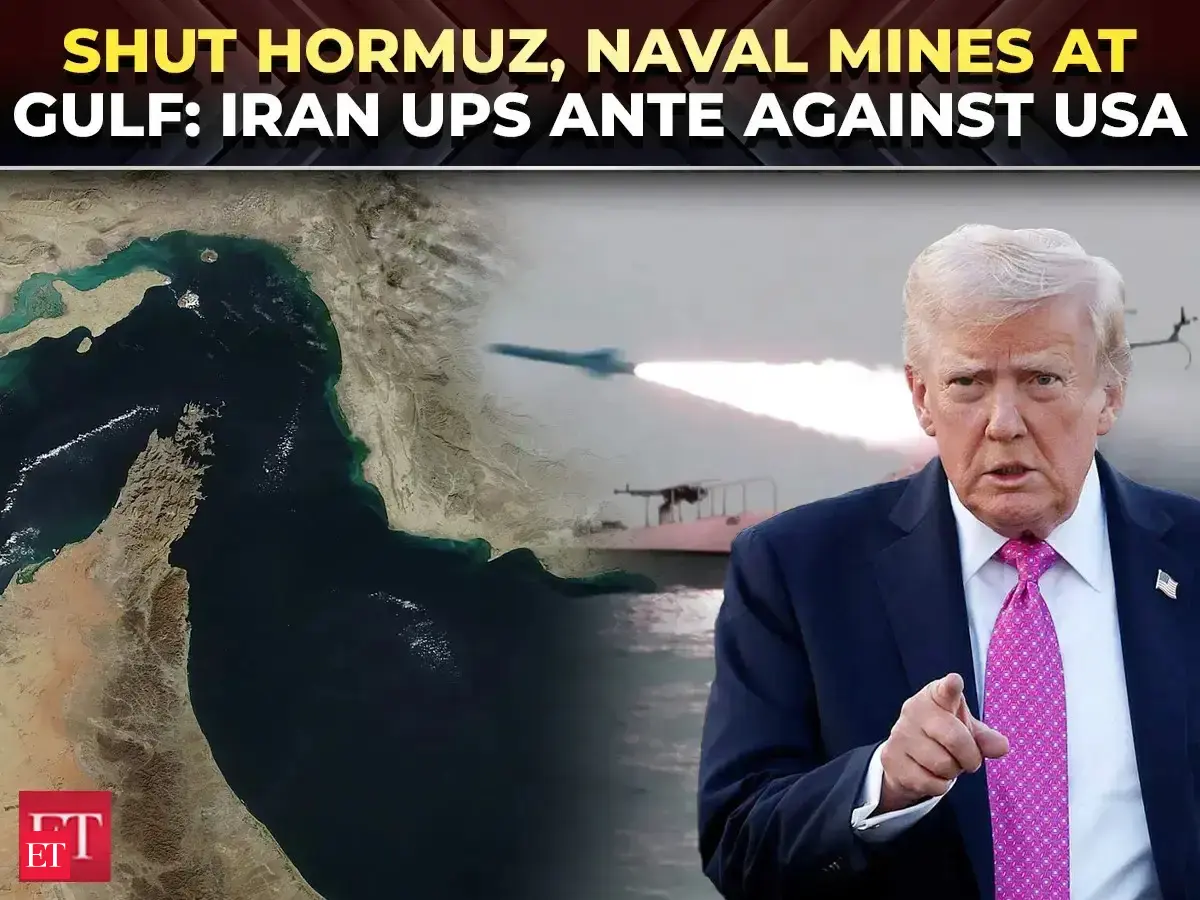
The rally was particularly strong in Italy. According to financial reports, the Milan stock exchange hit a new record high, with bank stocks serving as the primary catalyst for the gain. This optimism extended to Wall Street, where markets continued a broader rally that included gains linked to SpaceX.
How Hormuz Security Impacts Oil Prices
Oil prices fell immediately following the announcement of the diplomatic breakthrough. However, financial reports indicate that market participants are not yet fully confident in a sustained price drop. The primary source of hesitation is the presence of naval mines in the Strait of Hormuz and a lack of clarity regarding the specific conditions under which the strait will be secured.
This cautious approach suggests that while the diplomatic framework exists, the physical risk to tankers remains a variable that could trigger renewed price volatility.
The Link Between Oil Shocks and Global Growth
The volatility surrounding the Strait of Hormuz has broader implications for the global economy. According to local media reports, previous oil shocks have acted as a brake on the acceleration of global economic growth. When energy costs spike due to geopolitical instability, it typically increases production costs for manufacturers and raises prices for consumers, thereby slowing overall economic momentum.
Analysts suggest the current agreement may mitigate these pressures, provided the maritime conditions in the Persian Gulf are resolved quickly.
