Karnataka CM swearing-in LIVE: 13 Cabinet ministers to take oath along with D.K. Shivakumar
The political landscape of Karnataka has reached a decisive turning point as the state prepares for the official swearing-in of D.K. Shivakumar as the Chief Minister. This high-stakes event, which marks the formal commencement of a new administration, sees 13 Cabinet ministers taking their oaths of office alongside the new Chief Minister. The ceremony serves as the culmination of an intense period of political negotiation and government formation, signaling a shift in the state’s executive leadership.
The appointment of the new cabinet is not merely a procedural formality but a strategic alignment of power. With the inclusion of G. Parameshwara as the Deputy Chief Minister, the administration is setting a foundation for its governance framework. This transition follows a period of significant uncertainty, effectively ending a week-long power tussle that had kept the state’s political future in suspense. As the new leadership assumes control, the focus now shifts from the corridors of power to the implementation of policy and the management of one of India’s most economically vital states.
The Ceremony and New Leadership Appointments
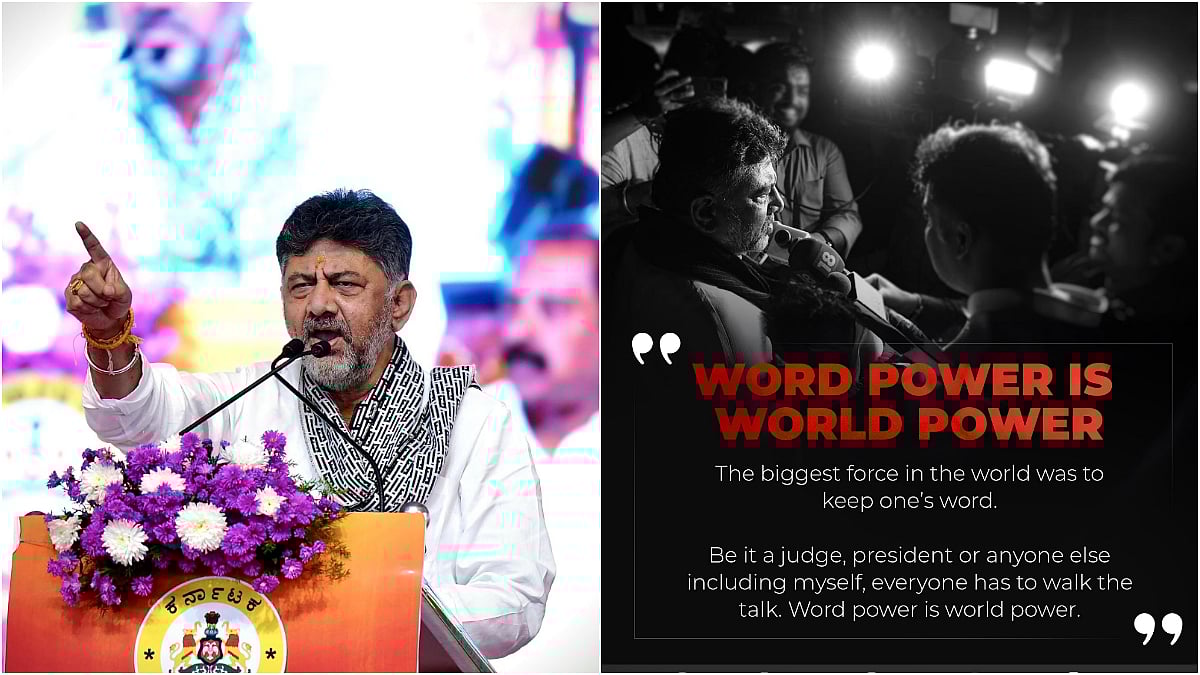
The swearing-in ceremony represents the official transition of power in Karnataka. At the center of the proceedings is D.K. Shivakumar, who takes the oath to lead the state government. The event is designed to establish the legitimacy of the new administration and publicly announce the team that will drive the state’s legislative and executive agenda.
A critical component of this government formation is the composition of the cabinet. Alongside the Chief Minister, 13 legislators are being sworn in as Cabinet Ministers. This group will be responsible for overseeing the various ministries and departments that manage everything from infrastructure and agriculture to law and order and healthcare.
One of the most significant appointments within this new structure is that of G. Parameshwara, who is set to take the oath as the Deputy Chief Minister. The role of the Deputy CM is often pivotal in maintaining balance within a party or coalition, providing a secondary layer of leadership and strategic oversight over key portfolios.
| Role | Designated Individual | Status |
|---|---|---|
| Chief Minister | D.K. Shivakumar | Taking Oath |
| Deputy Chief Minister | G. Parameshwara | Taking Oath |
| Cabinet Ministers | 13 Legislators | Taking Oath |
The Significance of the Cabinet Size
The decision to swear in 13 Cabinet ministers is a strategic move that reflects the leadership’s approach to governance. A leaner cabinet can often lead to faster decision-making processes and more streamlined communication between the Chief Minister and the heads of various departments. However, it also requires the 13 chosen ministers to handle a broader range of responsibilities, as portfolios are distributed among a limited number of individuals.
The swearing-in of 13 ministers alongside the Chief Minister marks the end of a period of political volatility and the beginning of a structured executive mandate for Karnataka.
The Backdrop: Resolving the Week-Long Power Tussle
The road to this swearing-in ceremony was not without friction. The formation of the government was preceded by a “week-long power tussle,” a period characterized by intense internal deliberations, negotiations, and political maneuvering. Such tussles are common in high-stakes political environments where multiple leaders may have claims to the top post or where the distribution of portfolios becomes a point of contention.
This period of instability often creates a vacuum in governance, where administrative decisions are paused while the political leadership is finalized. The resolution of this conflict is a prerequisite for the stability of the state, as it allows the bureaucracy to align itself with the new political will of the elected government.
Dynamics of Government Formation
Government formation in a state like Karnataka involves several complex layers:
- Leadership Consensus: The process of agreeing upon who will lead the government as Chief Minister.
- Portfolio Allocation: The delicate task of assigning ministries (such as Finance, Home, or Health) to ministers in a way that satisfies political ambitions while ensuring competence.
- Coalition Management: If applicable, ensuring that different factions or partner parties feel adequately represented in the cabinet.
- Constitutional Formalities: The final step where the Governor administers the oath of office, officially empowering the individuals to exercise executive authority.
By resolving the power struggle, the leadership has cleared the path for a focused administration, potentially reducing the risk of internal friction that can often plague new governments in their early days.
Bengaluru Logistics: Traffic Restrictions and Urban Impact
The swearing-in of a Chief Minister is not only a political event but a massive logistical undertaking. Due to the high profile of D.K. Shivakumar and the expected influx of dignitaries, party workers, and members of the public, the city of Bengaluru has implemented stringent traffic restrictions.
Bengaluru, already known for its challenging traffic conditions, faces additional pressure during such events. The administration of the city’s traffic police typically coordinates with the state government to create “green corridors” and restricted zones to ensure the security of the VIPs and the smooth flow of the ceremony.
Managing the Urban Flow
Travelers and residents in Bengaluru are advised to check their routes carefully before commuting. The restrictions usually involve:
- Road Closures: Key arteries leading to the venue of the oath ceremony are often closed to general traffic.
- Diversions: Traffic is rerouted through secondary roads, which can lead to unexpected congestion in residential areas.
- Security Checkpoints: Increased police presence and checkpoints are established around the venue and the residences of the new ministers.
These measures are essential for maintaining public order and ensuring that the swearing-in process proceeds without interruption. For those navigating the city, staying updated via local traffic advisories is critical to avoid significant delays.
Understanding the Political Implications for Karnataka
The ascension of D.K. Shivakumar to the role of Chief Minister, supported by a 13-member cabinet and G. Parameshwara as Deputy CM, carries several long-term implications for the state’s trajectory.
Executive Stability and Governance
The immediate impact of this swearing-in is the restoration of executive stability. With the “power tussle” concluded, the government can now move from the phase of negotiation to the phase of implementation. The primary focus will likely be on fulfilling campaign promises and addressing the immediate needs of the populace.
The efficiency of this new government will depend largely on how the portfolios are distributed among the 13 ministers. The alignment of the right person with the right ministry is crucial for tackling Karnataka’s specific challenges, including urban development in Bengaluru, agricultural support in rural belts, and industrial growth.
The Role of the Deputy Chief Minister
G. Parameshwara’s role as Deputy Chief Minister is more than symbolic. In the Indian parliamentary system, the Deputy CM often acts as a bridge between different factions of the party or a stabilizer within the cabinet. His experience and standing within the political framework will be vital in supporting the Chief Minister’s agenda and managing internal party dynamics.
Public Expectations and Policy Focus
The public typically views the formation of a new government as an opportunity for a “reset.” There will be significant pressure on the new administration to:
- Address Infrastructure: Particularly the chronic traffic and drainage issues in the capital city.
- Economic Growth: Leveraging Karnataka’s status as a tech hub to attract further investment.
- Social Welfare: Implementing schemes that target the marginalized and rural populations.
The success of the D.K. Shivakumar-led government will be measured by its ability to translate this political victory into tangible administrative results.
Comparative Analysis: Government Formation Patterns
When comparing this event to previous government formations in Karnataka, several patterns emerge. The presence of a power struggle prior to the swearing-in is not uncommon, often reflecting the competitive nature of the state’s political landscape. However, the speed with which a cabinet is finalized—in this case, 13 ministers—indicates a desire for a swift transition to active governance.
Historically, the size of the cabinet has varied based on the need to accommodate different interests. A 13-member cabinet is relatively focused, suggesting a preference for a more centralized command structure under the Chief Minister. This contrasts with larger cabinets that may be used to appease a wider array of political stakeholders but can sometimes suffer from slower decision-making processes.
the appointment of a Deputy CM is a strategic tool used to ensure loyalty and balance. By elevating G. Parameshwara, the administration is signaling a collaborative approach to leadership, which is essential for maintaining a cohesive government throughout its term.
Common Misconceptions Regarding the Swearing-In Process
There are several common misunderstandings about how the swearing-in of a Chief Minister and their cabinet works. Clarifying these helps provide a better understanding of the constitutional process.
Misconception 1: The Chief Minister is elected directly by the people.
In reality, the people elect Members of the Legislative Assembly (MLAs). The party or coalition with the majority of these seats then selects a leader, who is invited by the Governor to form the government and take the oath as Chief Minister.
Misconception 2: The Cabinet Ministers are chosen by the Governor.
While the Governor administers the oath, the selection of the ministers is entirely the prerogative of the Chief Minister. The CM decides who will be part of the cabinet and which portfolios they will hold.
Misconception 3: The Deputy CM has the same powers as the CM.
The position of Deputy Chief Minister is not a constitutional requirement; it is a political appointment. While they hold significant influence and usually manage important portfolios, the ultimate executive authority rests with the Chief Minister.
For those interested in the legal frameworks of state governance, a related explainer on the role of the Governor in India may provide further context on how these appointments are formalized.
Key Takeaways of the New Administration
As the dust settles on the swearing-in ceremony, the following points summarize the current state of the Karnataka government:
- Leadership: D.K. Shivakumar is now the official head of the state government.
- Cabinet Strength: A focused team of 13 Cabinet ministers has been sworn in to manage state affairs.
- Secondary Leadership: G. Parameshwara assumes the critical role of Deputy Chief Minister.
- Political Resolution: The ceremony marks the formal end of a week-long internal power struggle.
- Immediate Impact: Significant traffic disruptions in Bengaluru occurred to facilitate the security and logistics of the event.
The transition from political maneuvering to active administration is now complete. The effectiveness of this new team will be judged by their ability to coordinate across their respective portfolios and deliver on the expectations of the Karnataka electorate.
Frequently Asked Questions
Who is taking the oath as the Chief Minister of Karnataka?
D.K. Shivakumar is taking the oath as the Chief Minister of Karnataka, leading the new state government.
How many ministers are being sworn in along with the Chief Minister?
A total of 13 Cabinet ministers are being sworn in alongside the Chief Minister to form the state’s executive cabinet.
Who has been appointed as the Deputy Chief Minister?
G. Parameshwara has been designated as the Deputy Chief Minister of Karnataka.
Why were there traffic restrictions in Bengaluru?
Traffic restrictions were implemented to ensure the security of the new Chief Minister and Cabinet ministers, and to manage the large crowds and VIP movements associated with the swearing-in ceremony.
What led up to the swearing-in ceremony?
The ceremony follows a week-long power tussle during the government formation process, which was resolved to allow the new leadership to take office.
What is the role of the 13 Cabinet ministers?
The 13 ministers will be assigned specific portfolios (such as health, finance, or education) and will be responsible for the administration and policy implementation of those departments under the leadership of the Chief Minister.
