
Tensions in the Middle East have escalated sharply as Iran launched drone attacks on Kuwait International Airport and engaged in a series of missile exchanges with the United States.
- Primary Targets: Kuwait International Airport, and U.S. Military installations.
- Key Actions: Iranian drone strikes and missile launches; U.S. Retaliatory strikes on an Iranian site.
- Diplomatic Status: Reports of stalled negotiations and conflicting claims regarding nuclear capabilities.
Casualties and Infrastructure Damage in Kuwait
The conflict expanded into Kuwaiti territory when Iranian drones targeted the Kuwait International Airport. According to local media reports, the strikes resulted in several injuries. The attack marks a significant escalation in the regional instability, directly impacting civilian aviation infrastructure.
Missile Exchanges and Satellite Evidence
The military confrontation between the U.S. And Iran intensified following a reported breakdown in negotiations. After talks reached a stalemate, Iran launched missiles while the U.S. Military carried out a strike on an Iranian site.
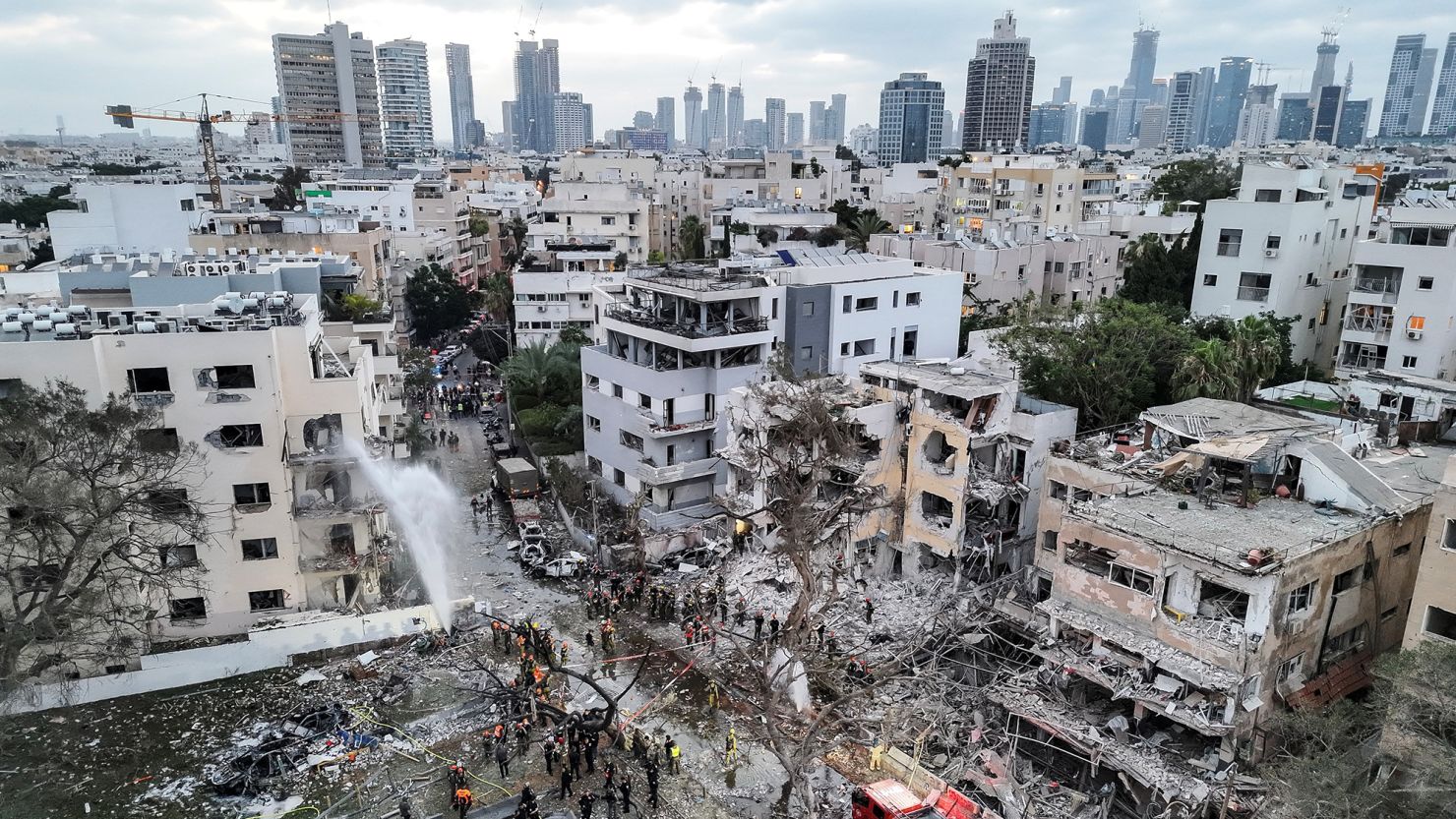
While official reports have provided a specific account of the damage, satellite imagery suggests a different scale of impact. According to reports from the BBC, these images indicate that Iranian attacks on U.S. Military facilities were far more extensive than the official acknowledgments have suggested. Iran has defended its actions, stating that its missile launches were a direct response to an initial U.S. Attack.
Nuclear Claims and Stalled Diplomacy
Amidst the active military engagement, conflicting narratives have emerged regarding Iran’s nuclear ambitions. Donald Trump has asserted that Iran agreed to forgo the possession of nuclear weapons.
Iran has accepted not to possess nuclear weapons. Donald Trump
These claims come as diplomatic efforts appear to have faltered, leading to the current cycle of retaliatory strikes and increased military presence in the region.
