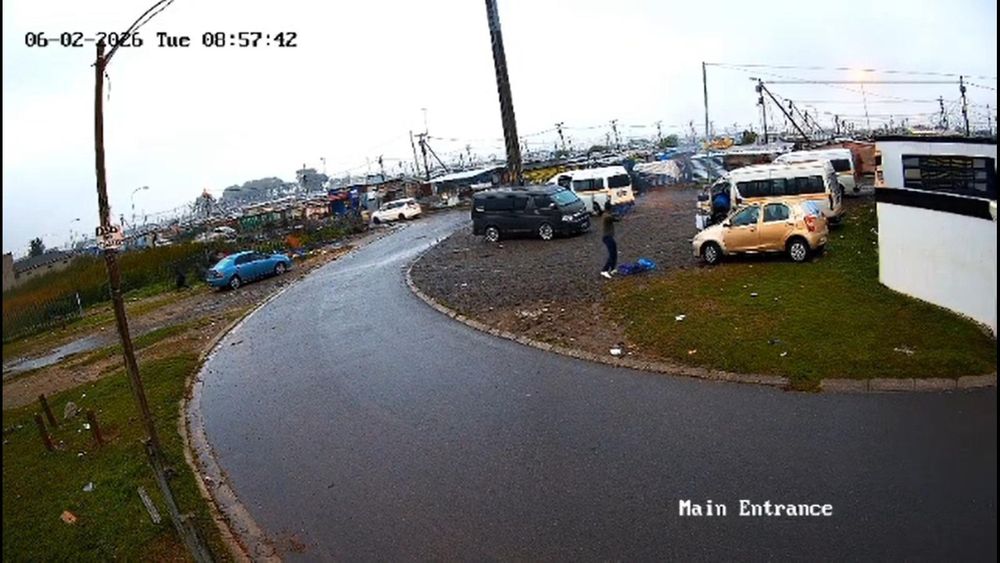
WATCH: Chilling video shows gunmen opening fire in deadly Cape attack – IOL: Inside the Cycle of Violence
The visceral nature of modern crime is often captured not by surveillance cameras, but by the trembling hands of witnesses on smartphones. A recently surfaced video, described as a harrowing account of a deadly assault in the Western Cape, has once again thrust the spotlight on the precarious security situation in Cape Town. This footage, which serves as the centerpiece of the discourse surrounding the WATCH: Chilling video shows gunmen opening fire in deadly Cape attack – IOL report, captures the precise moment of a coordinated ambush that left multiple people dead and a community paralyzed by fear.
This specific incident is not an isolated tragedy but a symptom of a deeper, more systemic volatility affecting South Africa’s urban centers. From the blood-stained ranks of Cape Town’s transport hubs to the quiet suburbs of Gauteng, a pattern of high-caliber violence is emerging. The footage does more than document a crime; it provides a window into the brazenness of gunmen who no longer fear the presence of witnesses or the reach of the law.
The Anatomy of the Attack: What Happened in the Cape
The incident in question unfolded with terrifying speed. According to reports and the accompanying footage, gunmen descended upon a crowded area—identified in various reports as a taxi rank and surrounding precincts—opening fire with automatic weapons. The result was a scene of absolute chaos, as commuters and bystanders scrambled for cover while bullets tore through vehicles and pedestrians.
Initial reports confirm that four men lost their lives in what is suspected to be a targeted hit. The precision of the attack suggests a level of planning and reconnaissance that is characteristic of organized crime or territorial disputes. In the immediate aftermath, the area became a forensic zone, with shell casings littering the pavement, serving as a grim reminder of the firepower deployed in broad daylight.
Key Details of the Incident
- Casualties: Four confirmed fatalities, with several others injured or traumatized.
- Weaponry: High-caliber firearms were used, indicating the involvement of professional hitmen rather than opportunistic criminals.
- Location: A high-traffic taxi rank in the Cape Town region, maximizing the potential for collateral damage.
- Catalyst: Preliminary investigations point toward taxi-related disputes, though gang-related territorial wars remain a strong possibility.
The emergence of the video has put immense pressure on the South African Police Service (SAPS) to provide swift answers. When a crime is captured on video, the narrative shifts from “police investigation” to “public demand for justice,” as the community can see exactly how the perpetrators operated and how the security apparatus failed to prevent the massacre.
The Taxi Industry: A Flashpoint for Urban Warfare
To understand the tragedy captured in the WATCH: Chilling video shows gunmen opening fire in deadly Cape attack – IOL footage, one must understand the complex and often violent sociology of the South African minibus taxi industry. For decades, the industry has been the backbone of public transport for the majority of the population, but it has also been plagued by “taxi wars”—violent conflicts over lucrative routes and operating rights.
These disputes are rarely about a single vehicle or a single driver; they are about the control of economic arteries. When a new operator attempts to enter an established route, or when an existing association feels its territory is being encroached upon, the response is often not legal arbitration, but the deployment of hired gunmen.
“The violence witnessed at the taxi ranks is not random crime; it is an economic war fought with military-grade weaponry in the middle of civilian spaces.”
The Southern African National Taxi Council (SANTACO) has frequently called for probes into these shootings, including the recent violence in Hazeldene. However, the cycle of retaliation often moves faster than the pace of police investigations. By the time a probe is launched, the “hit” has been completed, and the perpetrators have vanished back into the urban sprawl.
Comparing Recent Violent Incidents
The Cape Town attack is part of a wider trend of lethal violence across South Africa’s major provinces. The following table illustrates the diversity and frequency of these high-impact shootings.
| Location | Incident Type | Casualties | Primary Suspected Motive |
|---|---|---|---|
| Cape Town Rank | Mass Shooting | 4 Dead | Taxi-related / Territorial |
| Nyanga, Cape Town | Mass Shooting | 4 Dead | Gang Warfare / Neighborhood Conflict |
| Gauteng | Targeted Shooting | 2 Dead (inc. POP officer) | Unspecified / Criminal Hit |
| Hazeldene | Targeted Attack | Multiple Injuries/Deaths | Industry Dispute |
The Ripple Effect: Beyond the Immediate Victims
While the death toll provides a statistical measure of the tragedy, the psychological impact on the community is immeasurable. In areas like Nyanga and the various taxi ranks of the Cape, residents live in a state of “hyper-vigilance.” The knowledge that a routine commute could end in a bloodbath creates a pervasive sense of instability.
the killing of an off-duty Police Operational Support (POP) officer in a separate Gauteng shooting highlights a terrifying trend: the blurring of lines between civilian crime and attacks on state security. When law enforcement officers—even those off duty—are targeted, it sends a message that no one is untouchable. This emboldens criminals and demoralizes the police force, leading to a breakdown in the social contract between the state and its citizens.
The Role of Citizen Journalism and Viral Footage
The video associated with the WATCH: Chilling video shows gunmen opening fire in deadly Cape attack – IOL story represents a shift in how crime is consumed and processed. In the past, the public relied on official police statements. Today, the “raw” footage provides an unfiltered look at the horror.
This has two primary effects:
- Accountability: It is much harder for authorities to downplay the severity of an attack when the evidence is viral. The video forces a level of transparency and urgency in the investigation.
- Trauma Amplification: The repeated viewing of such “chilling” footage can lead to secondary traumatization for the public, normalizing extreme violence and fostering a feeling of helplessness.
For those seeking more context on how these trends are tracked, a related explainer on South African crime statistics may provide a broader perspective on the annual rise and fall of violent crimes in urban hubs.
Common Misconceptions Regarding South African Gun Violence
Public discourse often oversimplifies the violence seen in the Cape Town and Gauteng attacks. To truly address the issue, it is necessary to dismantle several common myths.
Myth 1: “It’s just gang wars”
While gang activity is a significant factor in areas like Nyanga, many of these attacks are purely economic. The taxi industry operates as a quasi-government in many townships, with its own set of rules and enforcement mechanisms. Many shootings are “business decisions” rather than “gang disputes.”
Myth 2: “The police are not trying”
While You’ll see certainly issues with corruption and inefficiency, many officers are outmatched by the weaponry available to criminals. Gunmen are often using automatic rifles that far exceed the standard issue gear of the average patrol officer. The issue is often a lack of resources and intelligence rather than a lack of will.
Myth 3: “These events are random”
Almost none of these high-profile mass shootings are random. They are targeted operations. The “randomness” is only perceived by the innocent bystanders who are caught in the crossfire. The gunmen usually have a specific target, and the surrounding chaos is a byproduct of the environment they choose for the attack.
The Path Toward Stability: Potential Solutions and Obstacles
Ending the cycle of violence captured in the WATCH: Chilling video shows gunmen opening fire in deadly Cape attack – IOL report requires more than just more police on the street. It requires a multi-pronged approach that addresses the root causes of the conflict.
1. Formalization of the Transport Sector
The transition of the taxi industry from an informal, association-led system to a regulated, corporate structure could reduce the incentive for “route wars.” When ownership is transparent and legally protected, the need for violent enforcement diminishes.
2. Intelligence-Led Policing
Rather than reacting to shootings, SAPS must move toward a predictive model. By infiltrating the networks that provide the “hitmen” for these attacks, the state can disrupt the violence before the gunmen ever reach the taxi rank.
3. Community-Based Early Warning Systems
In many townships, the community knows when tension is rising between rival factions. Creating safe, anonymous channels for citizens to report escalating tensions could allow for preemptive police intervention.
For a deeper dive into urban safety strategies, readers might find a guide to community policing initiatives helpful in understanding how local neighborhoods are fighting back against this tide of violence.
Analyzing the Strategic Impact of High-Profile Hits
When a hit is carried out in a crowded public space, as seen in the Cape Town attack, the objective is often twofold: to eliminate the target and to send a message. The “message” is one of dominance. By choosing a high-visibility location, the perpetrators signal to their rivals that they can strike anywhere, at any time, with total impunity.
This psychological warfare is designed to intimidate other operators into submission. The “chilling” nature of the video is, in a way, part of the attackers’ strategy. They want the world—and specifically their enemies—to see the efficiency and brutality of their operation.
The involvement of off-duty officers in these spheres, as seen in the Gauteng shooting, further complicates the picture. It raises questions about the infiltration of criminal elements within the police force or the desperation of officers trying to moonlight in high-risk sectors for extra income.
Frequently Asked Questions
What was the primary cause of the shooting in the Cape Town taxi rank?
While official investigations are ongoing, preliminary evidence and historical patterns suggest the attack was linked to taxi-related disputes over routes or territorial control. The targeted nature of the shooting points toward a planned hit rather than a random act of violence.
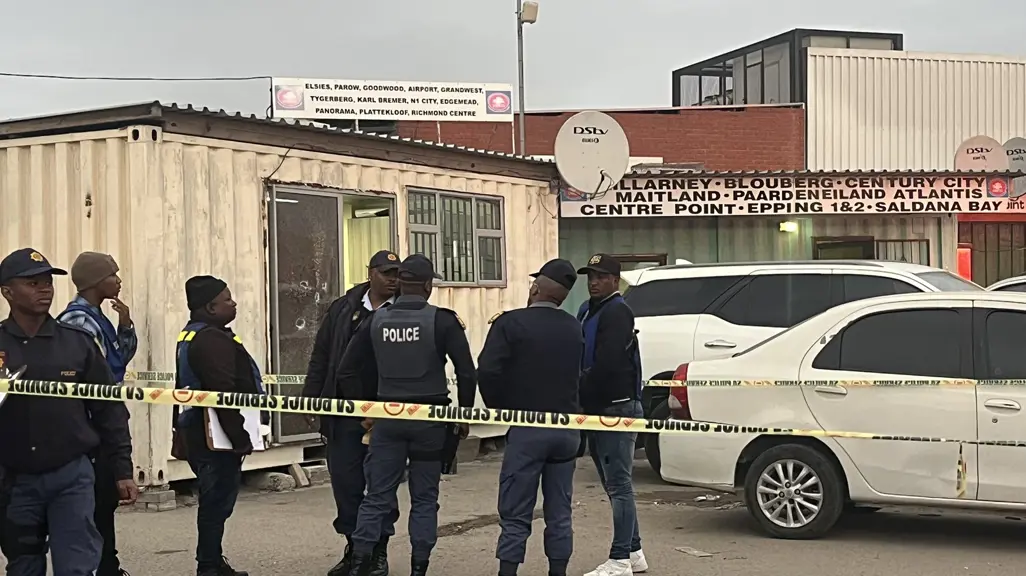
Why is the video of the attack described as “chilling”?
The footage is described as chilling because it captures the raw, unfiltered reality of the ambush, including the sound of automatic gunfire and the panic of innocent civilians. It strips away the sterile nature of news reports and shows the visceral brutality of the event.
How does the taxi industry contribute to violence in South Africa?
The industry’s informal structure often leads to disputes over lucrative transport routes. Because these disputes are frequently settled through violence rather than legal channels, “taxi wars” have become a recurring source of mass shootings in urban areas.
Are these attacks limited to the Western Cape?
No. While the Cape Town attack received significant attention, similar violence has been reported in Gauteng and other provinces. This suggests a national trend of organized violent crime and industry-related conflict.
What is the role of SANTACO in these incidents?
SANTACO (Southern African National Taxi Council) acts as the representative body for the industry. They often call for police probes and condemn the violence, but they also face the challenge of regulating a massive, fragmented network of independent operators.
The images and sounds from the WATCH: Chilling video shows gunmen opening fire in deadly Cape attack – IOL report serve as a stark reminder that for many South Africans, the daily commute is a gamble with their lives. As the state struggles to regain control of its streets, the reliance on citizen-captured footage to drive justice highlights a critical gap in the security apparatus. The tragedy of the four men killed in the Cape is not just a loss of life, but a symptom of a society where the gun has become the primary tool for negotiation and the street the ultimate courtroom.
