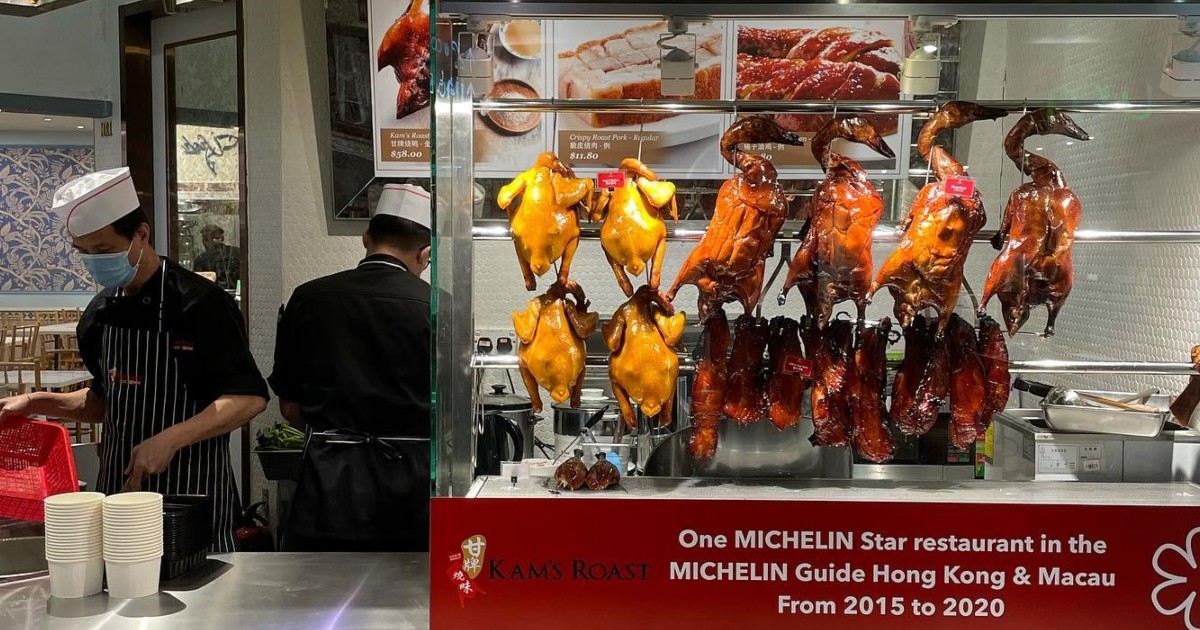
Kam’s Roast Express at Ion Orchard Reportedly ‘Kicked Out’ by Food Court Operator, Says Director – AsiaOne: A Deep Dive into the Dispute
The culinary landscape of Singapore’s Orchard Road is no stranger to volatility, but the recent claims surrounding the departure of a Michelin-starred legacy brand from one of the city’s most prestigious malls have sent ripples through the food and beverage (F&B) industry. The situation, centered on the news that Kam’s Roast Express at Ion Orchard reportedly ‘kicked out’ by food court operator, says director – AsiaOne, highlights a growing tension between high-profile international brands and the rigid operational frameworks of premium mall food courts.
For many diners, the presence of Kam’s Roast—a name synonymous with roast meat excellence in Hong Kong—within the accessible format of a food court was a strategic win. However, the sudden exit of the “Express” concept suggests a breakdown in the relationship between the brand’s management and the entity overseeing the food court’s curation. This incident is not merely a story of a closed stall; We see a case study in the complexities of brand positioning, lease agreements, and the power dynamics inherent in Singapore’s hyper-competitive retail environment.
The Core of the Conflict: What Happened at Ion Orchard?
The controversy erupted following public statements from the director associated with the brand, who alleged that the outlet was essentially forced out of its location. According to these claims, the exit was not a mutual agreement or a strategic pivot by the brand, but rather a decision imposed by the food court operator. While official corporate statements from mall management often lean toward “contractual expirations” or “portfolio restructuring,” the narrative provided by the brand’s director paints a picture of a more abrupt and contentious separation.
At the heart of the issue is the “Express” model. Kam’s Roast, known for its meticulous preparation and premium pricing, attempted to democratize its offerings by entering a food court setting. This move was designed to capture the high-footfall, fast-paced crowd of Ion Orchard, providing a “lite” version of the luxury experience. However, the friction likely arose from the intersection of a premium brand’s standards and a food court operator’s operational requirements.
“The tension often lies in the gap between a brand’s desire for quality control and an operator’s demand for standardized efficiency and profit margins.”
Key Timeline of Events
While specific dates of correspondence remain private, the trajectory of the dispute follows a pattern common in high-stakes retail:
- Market Entry: Kam’s Roast Express launches at Ion Orchard to provide a convenient touchpoint for fans of the Hong Kong brand.
- Operational Phase: The outlet gains popularity, leveraging the brand’s existing prestige to draw crowds within the food court.
- The Rift: Disagreements emerge regarding operational terms, revenue sharing, or perhaps the brand’s fit within the operator’s evolving vision for the space.
- The Departure: The outlet ceases operations, leading to the director’s public claim that they were “kicked out.”
Analyzing the Stakeholders: Power Dynamics in Premium Retail
To understand why a brand as prestigious as Kam’s Roast would find itself in this position, one must look at the three primary players involved in the Ion Orchard ecosystem.
1. The Brand (Kam’s Roast)
As a holder of international acclaim, Kam’s Roast operates on a foundation of prestige. For them, the “Express” outlet was a brand extension. However, when a luxury brand enters a shared space (like a food court), they lose total control over the environment. They are subject to the rules of the operator, which can lead to clashes over how the product is presented or how the queue is managed.
2. The Food Court Operator
The operator’s primary goal is the optimization of the entire food court. They aren’t just managing one stall; they are managing a curated mix. If a single brand becomes too dominant, creates operational bottlenecks (such as excessively long queues that block walkways), or fails to adhere to the operator’s specific financial models, the operator may decide that the brand is no longer a “fit,” regardless of its fame.
3. The Mall Management (Ion Orchard)
The mall acts as the overarching landlord. Their interest is in maintaining a high-end image and ensuring maximum rental yield per square foot. While they may not be directly involved in the daily disputes between a tenant and an operator, they set the tone for the “prestige” of the location.
| Stakeholder | Primary Objective | Potential Point of Conflict |
|---|---|---|
| Kam’s Roast | Brand expansion & accessibility | Loss of operational autonomy |
| Food Court Operator | Operational efficiency & yield | Brand-specific demands or bottlenecks |
| Ion Orchard | Luxury image & footfall | Tenant stability vs. Brand prestige |
The ‘Express’ Dilemma: Luxury Brands in Fast-Casual Spaces
The news that Kam’s Roast Express at Ion Orchard reportedly ‘kicked out’ by food court operator, says director – AsiaOne brings to light a broader industry trend: the “Express-ification” of luxury dining. Many Michelin-starred or world-renowned restaurants are creating smaller, faster versions of their menus to enter food courts or kiosks.
While this seems like a win-win, it creates a fundamental paradox. A luxury brand relies on exclusivity and meticulous service. A food court relies on volume and speed. When these two philosophies collide, the result is often operational friction.
Common Friction Points in Luxury-Express Models:
- Quality Control: The brand may insist on specific preparation methods that slow down service, frustrating the operator who wants high turnover.
- Pricing Tensions: Luxury brands maintain high price points. In a food court, where consumers expect “value,” this can create a disconnect that the operator may find problematic for the overall court dynamic.
- Queue Management: A popular brand like Kam’s Roast often attracts massive queues. In a crowded mall like Ion Orchard, this can lead to complaints from other tenants or mall security, putting pressure on the operator to “solve” the problem—sometimes by removing the source of the crowd.
For those interested in how these dynamics play out across the city, a related explainer on Singapore’s F&B rental trends provides further context on why prime locations are becoming increasingly difficult to maintain.
Wider Implications for the Singapore F&B Scene
This incident is a cautionary tale for international brands entering the Singapore market. The “landlord-tenant” relationship in Singapore is notoriously skewed in favor of the landlord, especially in Grade-A malls. When a brand enters a food court, they are essentially a “sub-tenant,” adding another layer of bureaucracy and another party that can terminate their presence.
The Risk of Brand Dilution
There is also the risk of brand dilution. When a brand associated with high-end dining is “kicked out” of a food court, it can create a public perception of failure, even if the failure was operational rather than culinary. The public narrative—as seen in the reporting that Kam’s Roast Express at Ion Orchard reportedly ‘kicked out’ by food court operator, says director – AsiaOne—can overshadow the brand’s actual quality.
The Shift Toward Independent Storefronts
We are seeing a shift where brands are moving away from shared food courts and toward independent “concept stores.” By owning their space, brands can control the queue, the ambiance, and the service speed without answering to a third-party operator. This suggests that the “Express” model in food courts may be too risky for brands that prioritize their image over sheer volume.
Common Misconceptions About the Incident
In the wake of such news, several misconceptions often emerge. It is important to clarify these to understand the business reality of the situation.
Misconception 1: The brand failed because the food wasn’t popular.
On the contrary, the “Express” model often fails because it is too popular. Extreme footfall in a confined food court area can lead to operational chaos, which prompts operators to remove the tenant to restore order to the rest of the facility.
Misconception 2: This is a legal battle over unpaid rent.
While rent is always a factor, the director’s phrasing (“kicked out”) suggests a more strategic or interpersonal conflict with the operator rather than a simple financial default. In luxury retail, disputes are more often about “brand fit” and “operational compliance” than just the bottom line.
Misconception 3: Kam’s Roast is leaving Singapore.
It is crucial to distinguish between a specific outlet (the Express version at Ion) and the brand’s presence in the country. The closure of one strategic experiment does not signal a market exit, but rather a recalibration of their retail strategy.
The Future of Dining at Ion Orchard
Ion Orchard remains the gold standard for retail in Singapore, but its appetite for tenants is fickle. The departure of Kam’s Roast Express opens a void that the operator will likely fill with a brand that is more “compliant” with the food court’s operational flow. This may lead to a more homogenized dining experience, where “safe” brands replace “prestigious” but “difficult” ones.
For the consumer, Which means the convenience of Michelin-level roast meats in a food court may become rarer. We may see a return to the traditional model: if you want the prestige of Kam’s Roast, you must visit a full-service restaurant where the brand has total control over the experience.
What to Watch For Next:
- The Operator’s Response: Whether the food court operator issues a clarifying statement regarding the “curation” of their tenants.
- New Site Announcements: Whether Kam’s Roast pivots to a standalone boutique or a different mall partnership.
- The “Ripple Effect”: Whether other high-end brands in similar food courts begin to renegotiate their terms to avoid a similar fate.
Frequently Asked Questions
Is Kam’s Roast still available in Singapore?
Yes, the brand’s overall presence in Singapore continues. The news regarding the Ion Orchard outlet refers specifically to the “Express” format within that specific food court, not a total withdrawal from the Singaporean market.
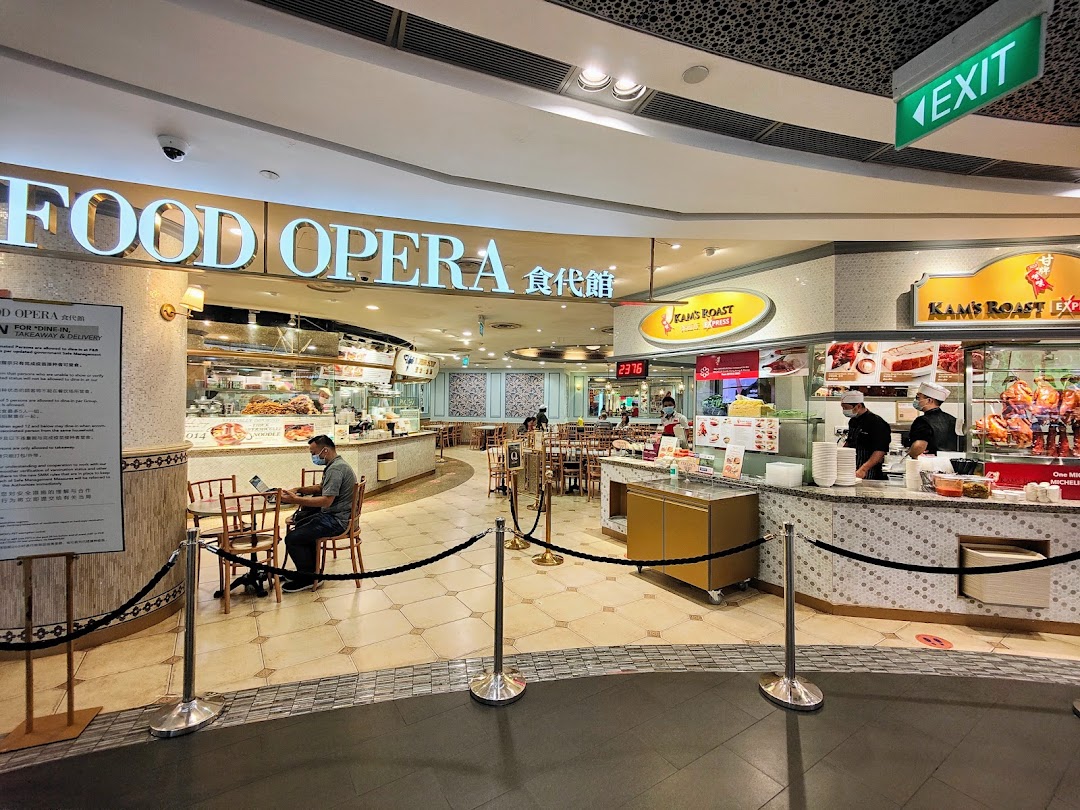
Why would a food court operator remove a popular brand?
Popularity can be a double-edged sword. Excessive queues, operational clashes over quality standards, or a shift in the operator’s desired “brand mix” can lead to the termination of a lease, even for a successful brand.
What does “Express” mean in the context of Kam’s Roast?
The “Express” model is a streamlined version of the full restaurant experience, offering a limited menu and faster service, specifically designed for high-traffic areas like food courts to attract a wider, more casual customer base.
Does this mean the food quality was an issue?
There is no evidence to suggest that the food quality was the cause. Most industry analysts point toward operational friction and the inherent tensions of the “luxury-meets-fast-casual” business model.
Where can I find more information on Singapore F&B disputes?
Industry news portals and business journals focusing on Southeast Asian retail often cover these lease disputes, as they reflect the broader economic pressures of the Singaporean commercial real estate market.
The saga of Kam’s Roast Express at Ion Orchard reportedly ‘kicked out’ by food court operator, says director – AsiaOne serves as a reminder that in the world of high-end retail, the brand is not always the most powerful entity in the room. The infrastructure—the malls and the operators who manage them—holds the keys to accessibility. As the F&B landscape continues to evolve, the balance between brand prestige and operational flexibility will remain a critical point of contention for any international name looking to plant its flag in the heart of Singapore.
