Wimmy Road Boyz by Sufiyaan Salam review – an electric debut set on Manchester’s Curry Mile – The Guardian
The literary landscape of the United Kingdom is frequently punctuated by debuts that attempt to capture the “spirit of a place,” but rarely does a first novel succeed with as much kinetic energy and sensory precision as Wimmy Road Boyz. Written by Sufiyaan Salam, this narrative does not merely describe a setting; it inhabits it. By centering the story on Manchester’s iconic Curry Mile, Salam has crafted a work that pulses with the rhythm of urban life, blending the fragrance of spices with the grit of street-level ambition.
For those seeking a Wimmy Road Boyz by Sufiyaan Salam review – an electric debut set on Manchester’s Curry Mile – The Guardian style analysis, This proves essential to look beyond the plot and examine how the novel functions as a cultural document. This is more than a coming-of-age story; it is an exploration of masculinity, brotherhood, and the complex intersections of identity within one of the most vibrant corridors of Northern England. Salam’s arrival on the scene signals a shift toward a more authentic, unapologetic representation of the British Asian experience in contemporary fiction.
The Heartbeat of the Narrative: Life on the Curry Mile
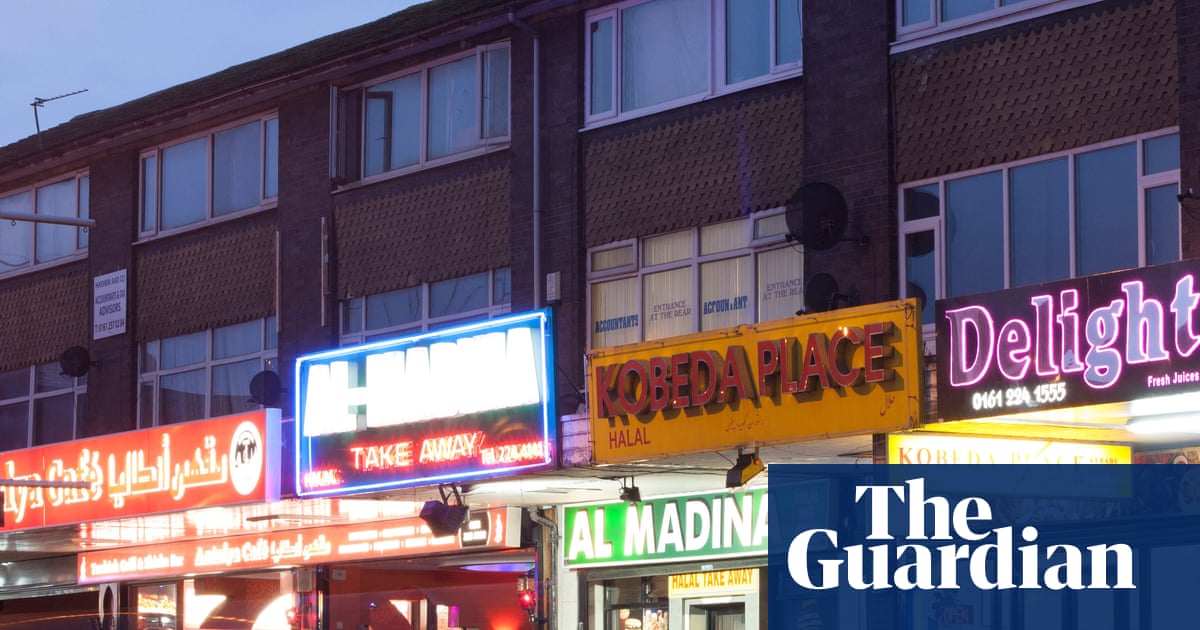
At the center of Wimmy Road Boyz is the geography of Wilmslow Road, famously known as the Curry Mile. In Salam’s hands, the location is not a backdrop but a living, breathing character. The Curry Mile is a place of contradictions—a hub of culinary indulgence, a site of late-night social friction, and a sanctuary for the South Asian diaspora in Manchester. The novel captures the sensory overload of the area: the neon signs flickering against the rain-slicked pavement, the roar of modified engines, and the overlapping chatter of a dozen different dialects.
The story follows a group of young men navigating the precarious balance between familial expectations and the allure of the street. By rooting the plot in this specific locale, Salam provides a visceral sense of place that grounds the more abstract themes of the novel. The “Boyz” are products of their environment, their language, their loyalties, and their fears all shaped by the specific socioeconomic pressures of South Manchester.
“The brilliance of the novel lies in its refusal to sanitize the urban experience. It embraces the chaos, the noise, and the raw ambition of youth who feel they must carve their own path in a city that often overlooks them.”
The Dynamics of Brotherhood and Masculinity
A primary driver of the plot is the intense, often volatile bond between the protagonists. Salam delves deep into the concept of “the boys”—a brotherhood that provides security and identity but also demands a rigid adherence to certain codes of masculinity. The novel examines how these young men perform their identities for one another, masking vulnerability with bravado and loyalty with aggression.
This exploration is particularly poignant given the cultural context. The characters are navigating a dual existence: the traditional values of their immigrant parents and the modern, fast-paced demands of a multicultural British city. The tension between these two worlds creates a friction that fuels the novel’s momentum, leading to moments of high drama and quiet, devastating introspection.
- Peer Pressure vs. Personal Ambition: The struggle to define oneself outside the group dynamic.
- The Weight of Expectation: Dealing with the “model minority” myth and familial pressure to succeed.
- Urban Loyalty: The thin line between protective brotherhood and destructive influence.
Linguistic Authenticity and the Power of Voice
One of the most striking elements of Wimmy Road Boyz is Salam’s use of language. The dialogue is a masterclass in authenticity, weaving together Mancunian slang, Urdu, and the specific vernacular of British Asian youth. This linguistic blend is not merely for “flavor”; it is a political act of reclamation. By refusing to translate every nuance for a general audience, Salam forces the reader to step into the world of the characters on their own terms.
The prose mirrors the “electric” nature of the debut. It is fast-paced, rhythmic, and often breathless, echoing the urgency of the characters’ lives. There is a musicality to the writing that suggests a deep familiarity with the sounds of the street. Whether it is the sharp exchange of insults or the tender, unspoken understandings between friends, the voice of the novel feels honest and unforced.
Breaking the Mold of Urban Fiction
Urban fiction has often been pigeonholed into narrow tropes—crime, poverty, and tragedy. While Wimmy Road Boyz does not shy away from the harsher realities of street life, it transcends these clichés by injecting a profound sense of humanity and humor into the narrative. Salam avoids the trap of “misery porn,” instead choosing to highlight the joy, the laughter, and the genuine love that exists within these communities.
By focusing on the emotional interiority of his characters, Salam elevates the story from a simple genre piece to a sophisticated character study. The “electric” quality mentioned in early reviews refers not just to the plot’s energy, but to the spark of genuine insight into the human condition.
| Element | Traditional Urban Fiction | Wimmy Road Boyz Approach |
|---|---|---|
| Setting | Generic “inner city” tropes | Hyper-specific, sensory Curry Mile locale |
| Language | Simplified or stereotypical slang | Authentic, multi-lingual Mancunian blend |
| Character Arc | Predictable paths of crime/redemption | Nuanced exploration of identity and duality |
| Tone | Often grim or sensationalist | Balanced blend of energy, humor, and pathos |
The Sociological Impact of the Setting
To fully appreciate the Wimmy Road Boyz by Sufiyaan Salam review – an electric debut set on Manchester’s Curry Mile – The Guardian perspective, one must understand the sociological significance of the Curry Mile. For decades, this stretch of Wilmslow Road has served as a cultural artery for Manchester. It is a place where the boundaries between the private and public spheres blur—where families eat dinner in the same spaces where young men gather to discuss their futures.
Salam uses this setting to comment on the wider British experience of migration and integration. The Curry Mile represents a successful, if chaotic, synthesis of cultures. However, the novel also hints at the fragility of this synthesis. The characters often feel like outsiders both in the wider city of Manchester and within their own homes, creating a sense of “liminality”—the state of being between two worlds without fully belonging to either.
Key Themes and Their Implications
The novel tackles several heavy themes that resonate far beyond the borders of Manchester:
- The Performance of Masculinity: The pressure to appear “hard” or “successful” to maintain status within the peer group.
- Generational Conflict: The clash between the dreams of the first-generation immigrants and the realities of their children.
- The Allure of the Fast Life: The temptation of quick money and status in an economy that offers limited traditional paths to success for marginalized youth.
- Urban Belonging: The idea that “home” is not a house, but a specific street corner or a shared joke with a friend.
These themes are handled with a lightness of touch that prevents the novel from becoming a lecture. Instead, the insights emerge naturally from the interactions of the characters, making the social commentary feel earned rather than imposed.
Comparing Salam to the Modern Literary Canon
Sufiyaan Salam enters a lineage of writers who have sought to map the complexities of the multicultural city. There are echoes of the vibrancy found in the works of Zadie Smith, but Salam’s focus is more localized and focused. While Smith often looks at the broad spectrum of London, Salam zooms in on a specific neighborhood, proving that the more specific a story is, the more universal it becomes.
The “electric” nature of this debut also draws comparisons to the “grit-lit” movement, but with a crucial difference: there is a warmth to Wimmy Road Boyz. The author clearly loves the people and the place he is writing about. This affection prevents the book from sliding into cynicism, ensuring that even the most troubled characters are viewed with empathy.
For those interested in how this work fits into the broader trend of contemporary British Asian literature, it represents a move away from the “domestic drama” and toward a more visceral, street-level realism. It claims a space for the voices of young men who have historically been sidelined or stereotyped in literary circles.
Common Misconceptions About the Novel
Because of its title and setting, some readers might mistake Wimmy Road Boyz for a simple “gangster” novel. This is a significant oversimplification. While the trappings of street life are present, the core of the book is an emotional journey. It is as much about the silence between fathers and sons as it is about the noise of the Curry Mile.
Another misconception is that the book is only for those familiar with Manchester. On the contrary, the universal themes of friendship, rebellion, and the search for identity make it accessible to anyone who has ever felt like an outsider in their own hometown. The specific details of Wilmslow Road serve as a gateway to a broader human experience.
Critical Analysis of the Pacing and Structure
The structure of the novel mirrors the erratic energy of its setting. There are bursts of high-intensity action followed by periods of slow, reflective stillness. While some readers might find the rapid shifts in tone jarring, they are essential to capturing the reality of youth in an urban environment, where a mundane afternoon can turn into a chaotic night in a matter of seconds.

The character development is handled with precision. Salam does not rely on heavy exposition; instead, he allows the characters to reveal themselves through their actions and their dialogue. By the end of the novel, the “Boyz” are no longer just a collective unit but distinct individuals with their own hopes and failures.
Frequently Asked Questions
What is the primary setting of Wimmy Road Boyz?
The novel is set on the “Curry Mile” (Wilmslow Road) in Manchester, England. This area is famous for its high concentration of South Asian restaurants and its role as a cultural and social hub for the city’s Asian community.
What are the main themes explored in Sufiyaan Salam’s debut?
The book primarily explores themes of masculinity, the complexities of British Asian identity, the bonds of brotherhood, generational conflict, and the struggle to find a sense of belonging in a multicultural urban environment.

Is Wimmy Road Boyz a crime novel?
While it contains elements of urban street life and the temptations of illegal activity, it is more accurately described as a contemporary literary novel or a coming-of-age story. Its focus is on character development and sociological insight rather than a traditional crime plot.
Why is the prose described as “electric”?
The term “electric” refers to the novel’s high energy, its rhythmic use of authentic dialect, and the vivid, sensory way Salam describes the chaos and vibrancy of Manchester’s urban landscape.
Who would enjoy reading this book?
Readers who enjoy atmospheric urban fiction, stories about identity and cultural duality, and novels that prioritize authentic voice and a strong sense of place would likely find this book compelling.
As Sufiyaan Salam establishes himself with this debut, the literary world gains a voice that is both necessary and refreshing. Wimmy Road Boyz does not just tell a story; it captures a frequency. It is a reminder that the most profound narratives are often found in the places we pass every day—in the neon lights, the smell of charcoal, and the laughter of young men standing on a street corner, dreaming of something bigger than the road they walk on.
The success of this novel suggests a growing appetite for stories that refuse to compromise on authenticity. By centering the narrative on the Curry Mile, Salam has not only mapped a piece of Manchester but has provided a mirror for an entire generation of urban youth navigating the complexities of modern Britain. It is a debut that lingers long after the final page, humming with the same electric energy that defines its setting.
