Amazon Launches Prime in South Africa with Unlimited Free Delivery, Savings, and Entertainment Benefits – About Amazon
The landscape of South African retail has shifted fundamentally. In a move that signals a massive commitment to the African continent, Amazon has officially expanded its ecosystem by introducing Prime memberships to South African consumers. This rollout is not merely the addition of a subscription service; it is the deployment of a sophisticated “flywheel” strategy designed to integrate logistics, digital entertainment, and aggressive pricing into a single user experience. For millions of shoppers, the announcement that Amazon launches Prime in South Africa with unlimited free delivery, savings, and entertainment benefits – About Amazon represents a pivotal change in how they will access global and local goods.
For years, the South African e-commerce market has been dominated by local giants and specialized retailers. However, the arrival of Prime introduces a level of logistical ambition and content integration that few local players can match. By bundling high-speed shipping with streaming services and exclusive discounts, Amazon is attempting to create an “ecosystem lock-in,” where the value proposition of the membership becomes too great for the average consumer to ignore.
Breaking Down the Prime Value Proposition in South Africa
To understand why this launch is disruptive, one must look beyond the surface of “free shipping.” Amazon Prime is designed as a multi-pronged value engine. In South Africa, the membership is structured to address the specific pain points of the local shopper: delivery costs, access to premium global content, and the search for consistent value.
The Logistics Revolution: Unlimited Free Delivery
Shipping costs have historically been a significant barrier to e-commerce growth in South Africa. The geographical spread of the country, combined with the complexities of “last-mile” delivery, often makes shipping expensive or slow. By offering unlimited free delivery, Amazon is removing the primary psychological friction point at the checkout screen.
This isn’t just about cost; it’s about frequency. When delivery is “free” and “unlimited,” consumer behavior shifts from bulk monthly shopping to high-frequency, low-volume ordering. This increases the total volume of transactions and deepens the consumer’s reliance on the platform.
Entertainment Integration: Prime Video and Music
The inclusion of entertainment benefits transforms the membership from a shopping tool into a lifestyle subscription. Prime Video and Prime Music provide a direct challenge to established streaming services in the region. By bundling these services, Amazon ensures that the user interacts with the brand daily—not just when they need a new toaster or a book, but every time they sit down to watch a movie or listen to a podcast.
Exclusive Savings and Member Pricing
Beyond shipping and streaming, the “savings” aspect of the launch focuses on member-only deals and early access to sales. In an economy where consumers are increasingly price-sensitive, the ability to access discounted rates exclusively through a Prime membership adds a layer of financial incentive that encourages long-term loyalty.
| Benefit Category | Standard User Experience | Prime Member Experience |
|---|---|---|
| Delivery | Tiered shipping fees based on location/spend | Unlimited free delivery on eligible items |
| Entertainment | Separate subscriptions for video/music | Included access to Prime Video and Music |
| Pricing | Standard retail pricing | Exclusive member-only discounts and deals |
| Access | Standard sale windows | Early access to major promotional events |
The Strategic Context: Why South Africa, and Why Now?
The decision to launch Prime in South Africa is not an isolated event but a calculated entry into one of the most developed digital economies in Africa. Several factors converged to make this the ideal moment for Amazon to scale its operations in the region.
The Maturity of Digital Payments
South Africa has seen a rapid acceleration in the adoption of digital payments and mobile banking. The infrastructure supporting secure online transactions is robust, reducing the risk for a global giant like Amazon to process millions of small-scale transactions across various provinces.
The E-commerce Growth Curve
The pandemic acted as a catalyst for online shopping in South Africa, forcing a demographic shift where even older, more traditional shoppers became comfortable with digital storefronts. This expanded the Total Addressable Market (TAM), making the investment in a Prime infrastructure viable.
Competition and Market Gap
While local competitors have built impressive logistics networks, few have successfully integrated a “content + commerce” model. Amazon is not just competing with other stores; it is competing for the consumer’s total digital attention. By leveraging its global content library, Amazon can acquire customers through entertainment and then migrate them toward its retail services.
“The entry of a Prime-enabled ecosystem into South Africa represents more than just new competition; it is a catalyst for the entire logistics sector to modernize. When the benchmark becomes ‘unlimited free delivery,’ every other player in the market must innovate or risk obsolescence.”
Impact on the Local Retail Ecosystem
The arrival of Amazon Prime is sending ripples through the South African business community. The “Amazon Effect”—the phenomenon where a dominant e-commerce player forces competitors to lower prices and improve delivery speeds—is now a reality for local merchants.
The Challenge for Local E-tailers
Local players now face a daunting challenge. Competing on price is difficult when facing the economies of scale that Amazon possesses. Matching the entertainment bundle of Prime is nearly impossible for a pure-play retailer. Local companies will likely need to pivot toward “hyper-localization”—focusing on niche markets, superior local customer service, or specialized product curation that a global algorithm might miss.
Opportunities for SMEs and Third-Party Sellers
It is not all bad news for local business. One of the core pillars of the “About Amazon” philosophy is the empowerment of third-party sellers. By opening its marketplace to South African SMEs, Amazon provides local artisans and businesses with a sophisticated storefront and a massive audience. The ability for a small business in Cape Town to leverage Amazon’s logistics network to reach customers in Johannesburg or beyond is a significant growth lever.
- Increased Visibility: Local brands gain access to a global-standard platform.
- Logistical Support: Sellers can utilize Amazon’s fulfillment capabilities to ensure professional delivery.
- Data Insights: Sellers get access to high-level analytics regarding consumer behavior.
Addressing the Logistics of the “Last Mile” in South Africa
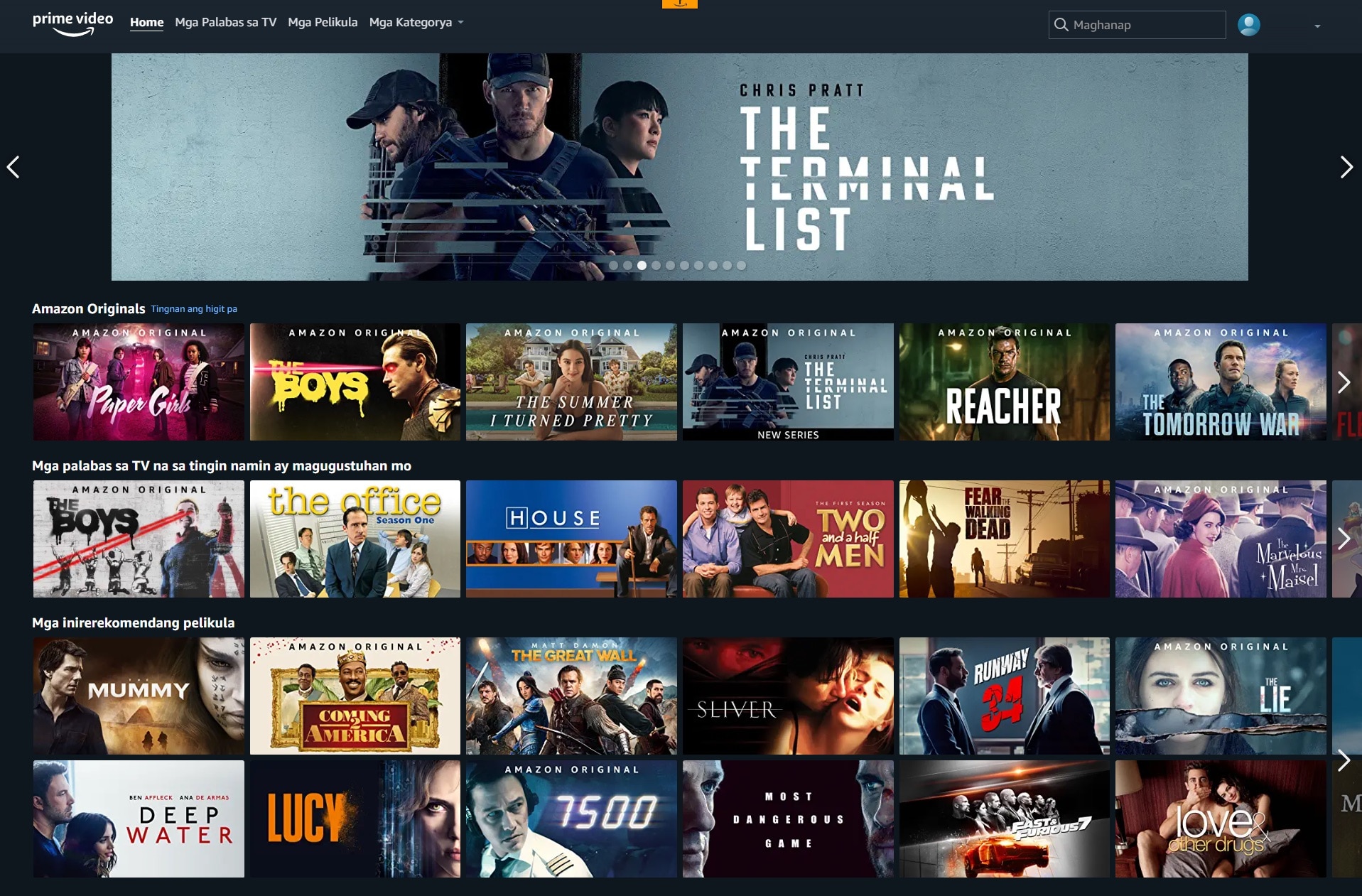
Offering “unlimited free delivery” in a country with the geographical and infrastructural challenges of South Africa is a bold claim. The “last mile”—the final journey of a package from a distribution center to the customer’s door—is where most e-commerce failures occur.
Overcoming Infrastructure Hurdles
Amazon’s success will depend on its ability to navigate South Africa’s unique challenges, including unpredictable traffic patterns in urban hubs and the complexities of delivery in peri-urban or rural areas. To achieve the Prime promise, Amazon must invest heavily in localized distribution centers (fulfillment centers) to reduce the distance between the product and the consumer.
The Role of Technology in Delivery
One can expect to see a heavy reliance on AI-driven routing and sophisticated tracking systems. By optimizing delivery paths and utilizing a mix of their own fleet and third-party logistics partners, Amazon aims to make “free” delivery sustainable without sacrificing speed.
For those interested in how this fits into the broader regional strategy, a related explainer on African e-commerce trends provides deeper insight into the digital transformation across the continent.
Common Misconceptions About Amazon Prime in South Africa
As with any major launch, several myths and misunderstandings have emerged. It is important to clarify these to provide a balanced view of the service.
Misconception 1: “Everything on Amazon is now free to ship.”
While Prime offers unlimited free delivery, this typically applies to “eligible” items—usually those fulfilled by Amazon. Items sold and shipped by third-party merchants may still carry shipping fees, although Amazon continues to expand the number of sellers who use their fulfillment services to minimize this.
Misconception 2: “Local retailers will immediately go out of business.”
History shows that while Amazon disrupts, it also creates. Many local retailers may struggle, but others will find new niches. The increased competition often leads to a better overall experience for the consumer, forcing all players to improve their quality and service.
Misconception 3: “Prime is only for the wealthy.”
By bundling entertainment and savings, Amazon targets a wide socio-economic spectrum. The value proposition is designed to appeal to anyone who spends a certain amount per month on data, streaming, and household goods, making the membership a cost-saving tool rather than a luxury.
Navigating the Subscription: Is it Worth it for the Average South African?
When deciding whether to join, consumers should perform a simple cost-benefit analysis. The value of Amazon Prime is cumulative; the more services you use, the higher the ROI on the membership fee.
The “Power User” Profile: If you already pay for a streaming service, order household essentials online twice a month, and frequently shop for electronics or books, the membership likely pays for itself through the elimination of delivery fees and the consolidation of entertainment costs.
The “Occasional Shopper” Profile: For those who only shop online once or twice a year, the subscription may not be justifiable. In these cases, the standard Amazon experience remains available without the monthly or annual commitment.
To help visualize the decision, consider the following comparison of usage patterns:
| User Habit | Standard Account | Prime Member |
|---|---|---|
| 1-2 Orders/Month | Pays shipping on most orders | Zero shipping costs |
| Movies/Series | Pays for Netflix/Disney+/etc. | Prime Video included |
| Music | Pays for Spotify/Apple Music | Prime Music included |
| Deal Hunting | Sees deals as they go live | Gets early access to “Lightning Deals” |
The Broader Economic Implications for South Africa
Beyond the individual consumer, the launch of Prime has macro-economic implications. The entry of a company with Amazon’s capital and operational discipline often leads to indirect infrastructure improvements.
Foreign Direct Investment (FDI)
Amazon’s investment in warehouses, technology, and personnel represents a significant influx of foreign capital. This not only creates direct jobs in logistics and management but also stimulates the construction and tech sectors.
Pressure on Labor and Logistics Standards
As Amazon scales, it will likely set new standards for delivery speeds and package handling. This puts pressure on local courier companies to upgrade their fleets and training, which ultimately benefits the entire economy by creating a more efficient logistics backbone for all businesses.
The Data Advantage
Amazon’s ability to collect and analyze consumer data is unparalleled. Over time, this will allow them to predict demand with startling accuracy, potentially reducing waste in the supply chain and ensuring that the products South Africans want are available in-country before the demand even peaks.
For a deeper dive into how this affects local business laws, see our related analysis on retail regulation in SA.
Frequently Asked Questions
What exactly does “unlimited free delivery” mean for Prime members in South Africa?
It means that for items marked as “Prime eligible,” members do not pay a delivery fee, regardless of how many orders they place in a month. This removes the need to hit a minimum spend threshold to qualify for free shipping, which is a common requirement for non-Prime users.
Does Amazon Prime South Africa include the same content as Prime Video in the US or UK?
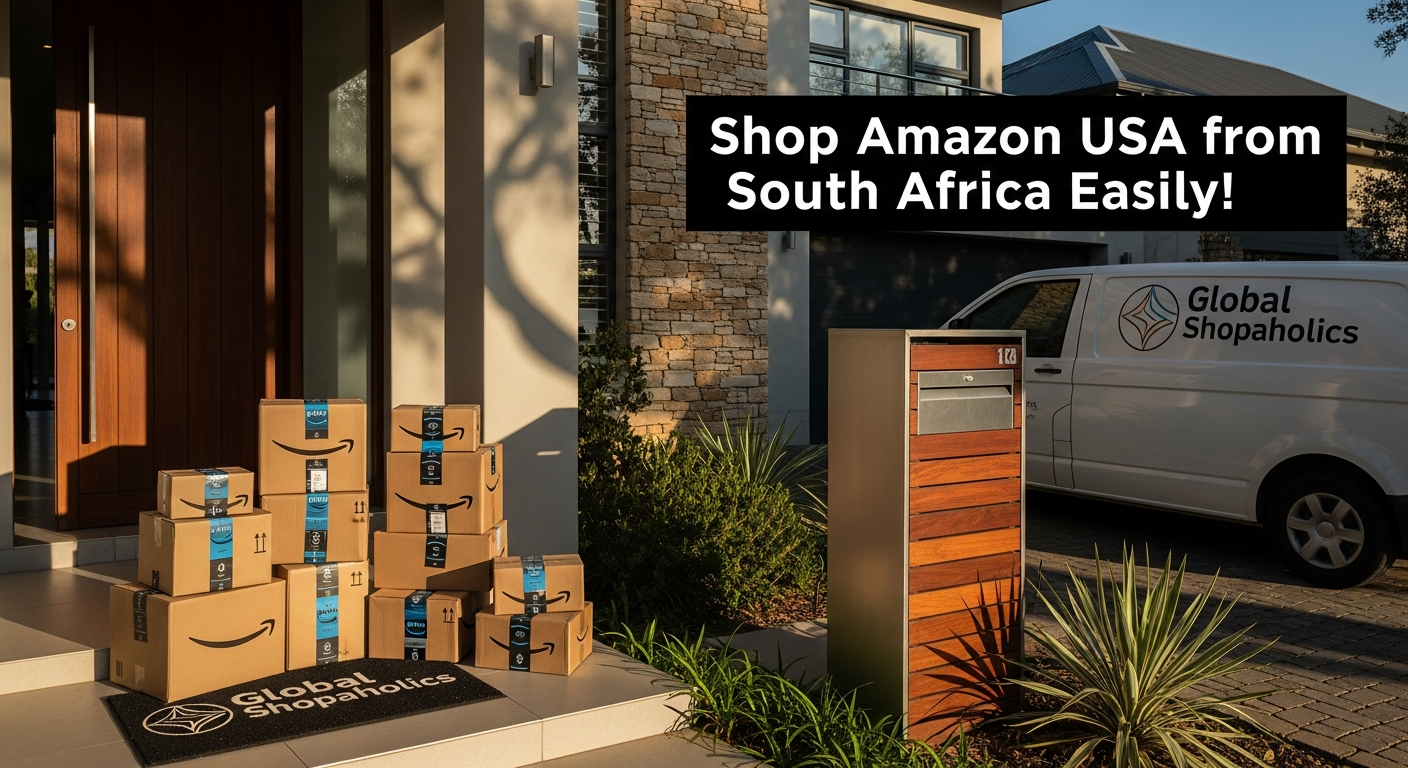
While much of the global “Amazon Original” content is available worldwide, some titles vary by region due to licensing agreements. However, Prime Video in South Africa typically offers a vast library of international hits and an increasing amount of localized content.
Can local South African sellers join the Prime program?
Yes, local sellers can sell their products on the Amazon marketplace. To make their products “Prime eligible” for free delivery, sellers typically use “Fulfillment by Amazon” (FBA), where they store their inventory in Amazon’s warehouses and let Amazon handle the picking, packing, and shipping.
Is there a trial period for Amazon Prime in South Africa?
Amazon typically offers a trial period for new members to experience the benefits of free delivery and streaming before the full subscription fee kicks in. Users should check the official Amazon South Africa sign-up page for the current trial duration.
How does Amazon Prime compare to local services like Takealot?
While Takealot has a strong local presence and its own delivery network, Amazon Prime differs by bundling retail with digital entertainment (Video and Music). Amazon’s global scale also allows it to offer a wider variety of international products that may not be available through local competitors.
The Road Ahead for E-commerce in the Region
The launch of Prime is a signal that the “digital frontier” in South Africa has reached a new stage of maturity. We are moving away from the era of simple online storefronts and entering the era of integrated digital ecosystems. The success of this rollout will likely serve as a blueprint for Amazon’s further expansion into other African markets, such as Nigeria or Kenya.
As the service evolves, we can expect to see further integrations, perhaps including Amazon’s other global innovations like Alexa-enabled smart home devices tailored for the South African market, or more aggressive expansions into grocery delivery. For the consumer, the result is a more competitive market with higher standards of convenience. For the business owner, it is a call to innovate. The most significant winner is the South African shopper, who now has more choice, more value, and faster access to the world’s largest marketplace than ever before.
