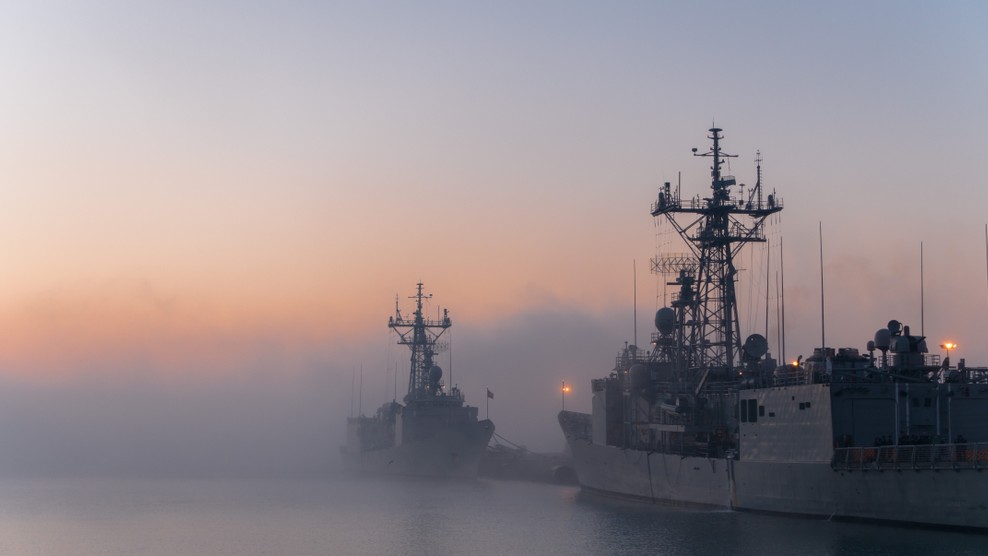
Oil Prices Climb as U.S. Strikes Tanker and Downs Iranian Drones – Crude Oil Prices Today | OilPrice.com
Global energy markets are reacting with volatility as escalating tensions in the Middle East trigger a sharp uptick in crude futures. The primary catalyst for the current surge is a series of kinetic engagements involving United States forces, which have reportedly struck a tanker and intercepted multiple Iranian drones in a region critical to the world’s energy supply. As traders price in a heightened “geopolitical risk premium,” the focus has shifted toward the stability of maritime corridors and the fragile diplomatic dance between Washington and Tehran.
The intersection of military action and energy economics is rarely seamless. When the U.S. Military engages in active strikes or defensive intercepts in proximity to oil transit hubs, the market reacts not just to the immediate damage, but to the possibility of a broader disruption. For those tracking Oil Prices Climb as U.S. Strikes Tanker and Downs Iranian Drones – Crude Oil Prices Today | OilPrice.com, the current trend reflects a classic tug-of-war between bearish economic signals and bullish geopolitical fears.
The Anatomy of the Escalation: Tankers and Drones
The recent spike in oil prices is directly linked to reports of U.S. Military intervention targeting maritime assets and neutralizing unmanned aerial vehicles (UAVs) attributed to Iran. These events did not happen in a vacuum but are part of a continuing cycle of attrition and deterrence in the Persian Gulf and the Gulf of Oman.
The Tactical Reality of the Strikes
According to operational reports, the U.S. Military acted to neutralize threats that were perceived as direct provocations to international shipping. The striking of a tanker—often a vessel suspected of transporting illicit oil or acting as a proxy for state-sponsored aggression—serves as a strategic signal. By targeting these assets, the U.S. Aims to disrupt the financial and logistical networks that fund regional instability.
Simultaneously, the downing of Iranian drones represents a defensive posture. Drones have become the preferred tool for asymmetrical warfare in the Middle East, allowing actors to project power and conduct surveillance or attacks without the immediate risk of losing high-value manned aircraft. When the U.S. Successfully intercepts these drones, it demonstrates technical superiority, yet the mere presence of these UAVs near oil infrastructure creates a psychological floor under oil prices, preventing them from dropping despite global demand concerns.
Where and When the Friction Occurs
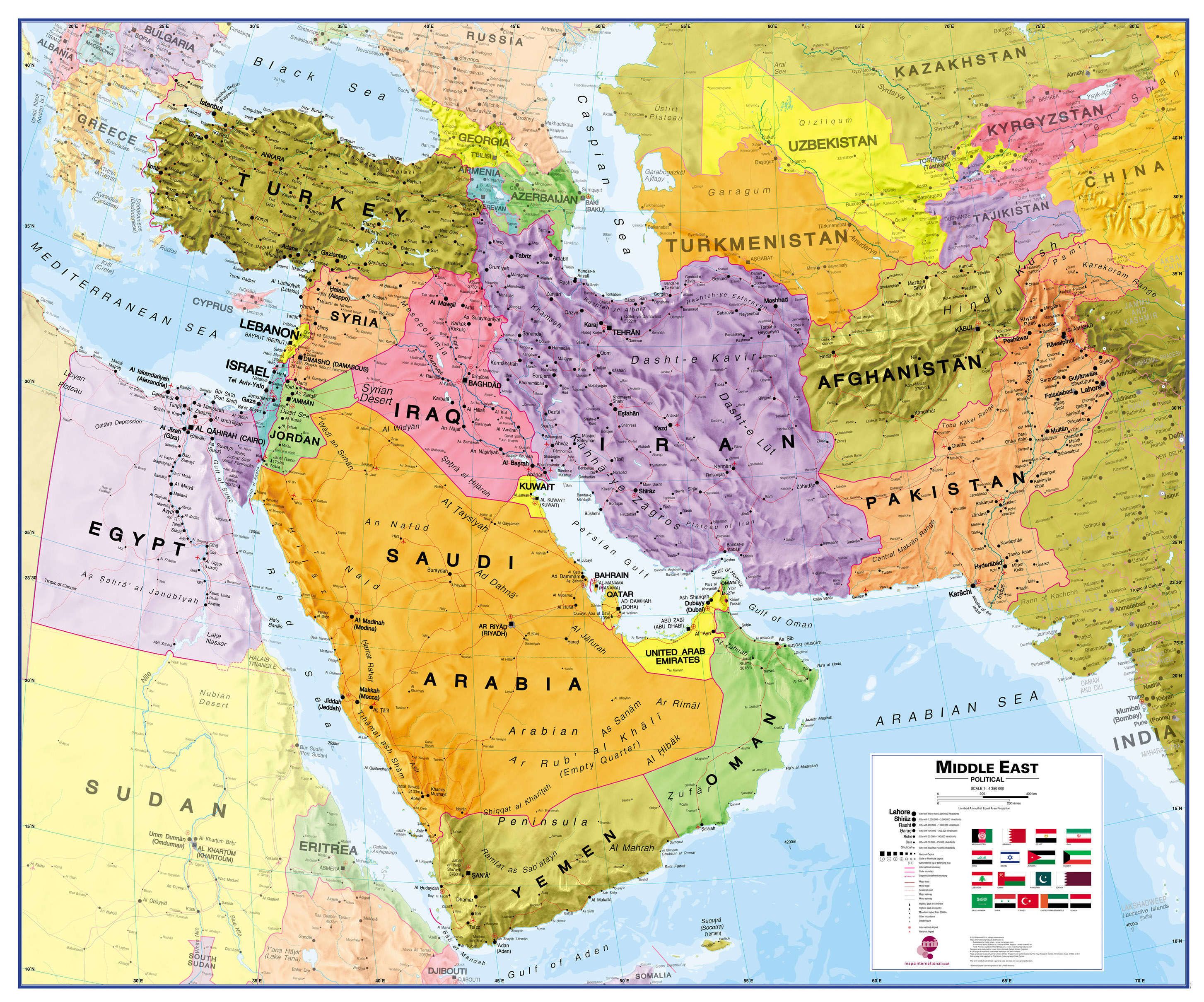
Most of these engagements are concentrated around the Strait of Hormuz, a narrow chokepoint through which approximately one-fifth of the world’s total oil consumption passes daily. Any kinetic activity in this corridor—whether it be a drone swarm or a naval strike—immediately alerts algorithmic trading bots and human commodity traders that the “energy artery” of the world is under threat.
| Event Type | Immediate Market Impact | Strategic Goal | Risk Level |
|---|---|---|---|
| Tanker Strike | High Volatility / Price Spike | Disruption of illicit trade/deterrence | Severe (Maritime Blockade risk) |
| Drone Interception | Moderate Increase | Airspace security / Signal of strength | Moderate (Escalation cycle) |
| Diplomatic Stalls | Sustained Price Floor | Leverage in negotiations | Low to Moderate |
The Diplomatic Paradox: Peace Signals vs. Kinetic Action
One of the most confusing aspects of the current market environment is the contradiction between diplomatic rhetoric and military reality. On one hand, You’ll see signals of a desire for de-escalation. Reports suggest that Iran has been reviewing potential deals with the U.S. To halt active hostilities, which typically would lead to a drop in oil prices as the “fear premium” evaporates.
the reality on the ground—and in the air—tells a different story. The continued use of drones and the targeting of tankers suggest that neither side is fully committed to a ceasefire. This creates a “sawtooth” pattern in crude oil prices: prices drop when a peace signal is released, only to climb higher when a drone is downed or a ship is hit.
The Influence of Political Leadership
Market analysts have noted that signals coming from U.S. Political leadership, particularly those suggesting a preference for “peace through strength” or sudden diplomatic breakthroughs, can cause rapid swings. For instance, when signals of a potential rapprochement or a “grand bargain” emerge, investors move away from “safe haven” energy bets. However, these signals are often viewed with skepticism until a formal treaty or a verifiable cessation of hostilities is reached.
This volatility is particularly acute because the energy market is forward-looking. Traders are not just betting on today’s barrel; they are betting on the geopolitical climate of the next six months. If the market believes that the U.S. Will maintain a hard line against Iranian maritime activities, the price of Brent and WTI (West Texas Intermediate) will likely remain elevated.
For a deeper dive into how these benchmarks differ, you might find a related explainer on Brent vs. WTI pricing useful.
Financial Implications: From Crude Futures to Energy Equities
When we analyze Oil Prices Climb as U.S. Strikes Tanker and Downs Iranian Drones – Crude Oil Prices Today | OilPrice.com, we must look beyond the raw price of a barrel. The ripple effects extend into the equity markets, specifically affecting the Energy Select Sector SPDR Fund (XLE) and major refining and production companies.
The Role of Refiners: Valero, Marathon, and Phillips 66
While high crude prices are generally quality for producers (upstream), the impact on refiners (downstream) is more complex. Companies like Valero, Marathon Petroleum, and Phillips 66 operate in the “crack spread”—the difference between the price of crude oil and the price of the refined products (gasoline, diesel, jet fuel) they sell.
- Margin Pressure: If crude prices rise too quickly due to geopolitical shocks, refiners may face higher input costs. If they cannot pass these costs onto consumers immediately, their margins shrink.
- Volatility Gains: Conversely, extreme volatility often leads to inefficient pricing in the refined products market, which skilled refiners can exploit to increase profits.
- Strategic Hedging: Most major refiners use complex hedging strategies to protect themselves from the exact kind of price spikes seen during U.S.-Iran skirmishes.
The XLE and Broad Energy Investment
The XLE ETF serves as a barometer for the health of the U.S. Energy sector. When Middle East hostilities flare, the XLE often sees an inflow of capital as investors hedge against a global energy crisis. The current climb in prices provides a tailwind for the sector, but it is a fragile gain. If a diplomatic breakthrough occurs tomorrow, the same capital that flowed into the XLE during the tanker strikes could exit just as quickly.
“The energy market is currently operating in a state of ‘hyper-awareness.’ Every drone launch and every naval movement is scrutinized not just for its military significance, but for its impact on the next tick of the crude oil price.”
Understanding the “Geopolitical Risk Premium”
To the average observer, it may seem strange that oil prices rise when a drone is shot down—after all, the threat was neutralized. However, in commodity trading, What we have is known as the Geopolitical Risk Premium. This is an additional cost added to the price of oil to account for the uncertainty of future supply.
How the Premium is Calculated
The risk premium isn’t a formal line item, but a collective psychological adjustment. It is driven by three main fears:
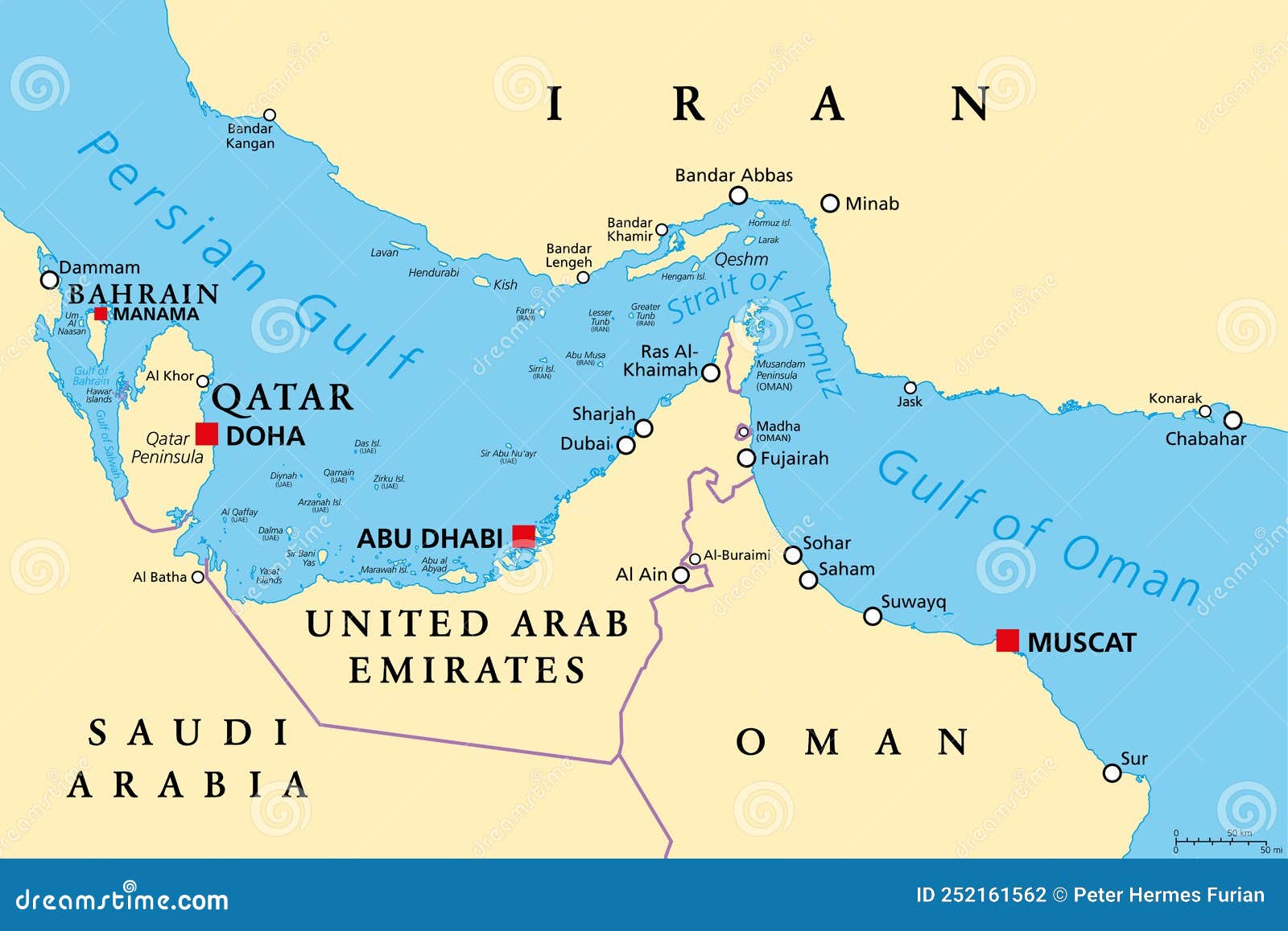
- Supply Interruption: The fear that a tanker strike could lead to a full blockade of the Strait of Hormuz, removing millions of barrels per day from the market.
- Infrastructure Damage: The fear that drones could target oil terminals or refineries within Saudi Arabia or the UAE.
- Retaliatory Spirals: The fear that a U.S. Strike leads to an Iranian response, which leads to a U.S. Counter-strike, eventually escalating into a regional war.
When the U.S. Downs Iranian drones, it confirms that the threat is real, which ironically validates the risk premium. The market isn’t reacting to the loss of the drone; it is reacting to the fact that the conflict is active and unpredictable.
Common Misconceptions About Oil Price Spikes
There are several common myths regarding how military actions in the Middle East affect the price of oil. Clarifying these helps in understanding the true drivers of the market.
Myth 1: “A strike on a tanker always means less oil is available.”
Reality: A single tanker strike rarely impacts the global supply in a meaningful way. The world consumes millions of barrels a day; one ship is a drop in the bucket. The price rise is caused by fear of future strikes and the potential for a systemic disruption, not the loss of the cargo on that specific ship.
Myth 2: “If the U.S. Wins the engagement, prices should go down.”
Reality: In the short term, military “victory” (like downing drones) often keeps prices high because it proves that the region is a combat zone. Prices only drop when the likelihood of future conflict decreases, which usually requires a diplomatic solution rather than a military one.
Myth 3: “U.S. Domestic production makes us immune to Middle East tensions.”
Reality: While the U.S. Is a leading producer of shale oil, crude oil is a globally traded commodity. Brent and WTI are linked. If Brent spikes due to tensions in the Persian Gulf, WTI will follow suit because global arbitrage ensures that oil flows to where the price is highest.
The Broader Economic Context: Demand vs. Conflict
While the headline Oil Prices Climb as U.S. Strikes Tanker and Downs Iranian Drones – Crude Oil Prices Today | OilPrice.com focuses on the conflict, a senior editor must look at the countervailing forces. Geopolitics do not act alone; they clash with macroeconomic data.
The Demand Side of the Equation
Currently, the bullish pressure from the Middle East is fighting against several bearish factors:
- Global Economic Slowdown: If China’s industrial recovery remains sluggish, the demand for oil drops, which can offset the price gains from geopolitical tension.
- Interest Rates: High interest rates generally strengthen the U.S. Dollar. Since oil is priced in dollars, a stronger dollar makes oil more expensive for other countries, potentially dampening demand.
- The Energy Transition: The long-term shift toward renewables and electric vehicles (EVs) is slowly eroding the “permanent” demand for crude, making the market more sensitive to short-term shocks.
The OPEC+ Variable
Adding to the complexity is the role of OPEC+. The organization often uses geopolitical volatility as a cover to adjust production quotas. If OPEC+ decides to maintain production cuts while the U.S. Is engaged in strikes in the Persian Gulf, the price surge is amplified. Conversely, if they increase production to “stabilize” the market, they may neutralize the risk premium.
For those interested in how these quotas are set, a related guide on OPEC+ production targets provides essential context.
Key Takeaways for Investors and Observers
Navigating the current energy landscape requires a balance of military intelligence and economic analysis. The current climb in oil prices is a symptom of a larger strategic struggle.
- Watch the Waterways: Any report of “restricted navigation” in the Strait of Hormuz will likely trigger a massive price spike.
- Monitor the Drones: Drone activity is the primary “thermometer” for tension. An increase in UAV launches usually precedes a price jump.
- Follow the Diplomacy: Look for verifiable milestones in U.S.-Iran talks. A “review of a deal” is not a deal; a signed agreement is.
- Diversify Energy Exposure: Understanding the difference between upstream producers and downstream refiners (like Valero or Phillips 66) is key to managing portfolio risk during these periods.
Frequently Asked Questions
Why do oil prices rise when the U.S. Shoots down drones?
The price increase is not caused by the destruction of the drone itself, but by the confirmation that military tensions are high. This creates a “geopolitical risk premium,” as traders fear that these skirmishes could escalate into a larger conflict that disrupts the global oil supply.
How does a tanker strike affect the average consumer?
While one tanker doesn’t change the global supply significantly, the resulting spike in crude oil futures often trickles down to the pump. Gasoline prices typically reflect these geopolitical fears within a few days or weeks, leading to higher costs for consumers.
Which companies benefit most from this volatility?
Upstream oil producers generally benefit from higher crude prices. However, integrated energy companies and some refiners can also profit by leveraging their hedging strategies and managing the “crack spread” effectively during periods of price instability.
Will the U.S. Strikes lead to a permanent increase in oil prices?
Unlikely. Geopolitical spikes are typically temporary. Unless there is a sustained blockade of major shipping lanes or a large-scale war that destroys production infrastructure, prices usually revert to levels dictated by global supply and demand.
What is the significance of the Strait of Hormuz in this story?
The Strait of Hormuz is the world’s most important oil chokepoint. Because so much of the world’s oil passes through this narrow strip of water, any military action there—such as strikes on tankers or drone intercepts—threatens the flow of energy to the global economy, causing immediate price volatility.
