
Israeli Strike Kills at Least Five People at Wedding in Gaza – Al Jazeera: Analysis of Civilian Casualties
The ongoing conflict in the Gaza Strip has reached another devastating milestone with reports that an Israeli strike kills at least five people at wedding in Gaza – Al Jazeera. This incident, occurring amidst a broader wave of aerial operations, underscores the precarious nature of civilian life in the region, where social gatherings and temporary shelters have increasingly become sites of tragedy. As reports emerge of multiple strikes across different sectors of the territory, the focus has shifted toward the mounting death toll and the specific vulnerability of displaced populations.
Beyond the wedding tragedy, recent data indicates a wider pattern of casualties. Reports from various outlets highlight a series of lethal events: strikes resulting in 10 deaths across the Strip, the killing of an 18-year-old in southern Gaza, and a lethal hit on a tent sheltering displaced Palestinians in Gaza City. These events collectively paint a picture of a humanitarian landscape where “safe zones” are increasingly elusive and the distinction between military targets and civilian infrastructure remains a point of intense international scrutiny.
The Human Cost of Recent Aerial Operations
The report that an Israeli strike kills at least five people at wedding in Gaza – Al Jazeera highlights a recurring and poignant theme in the current crisis: the intersection of civilian celebration and military violence. Weddings in Gaza are more than just family events. they are vital social anchors in a community under extreme stress. When such gatherings are hit, the psychological impact extends far beyond the immediate casualties, signaling to the population that no space—regardless of its social nature—is exempt from the conflict.
Tragedy at a Wedding Celebration
The strike on the wedding ceremony is particularly emblematic of the high risks associated with urban warfare. In densely populated areas, the proximity of residential buildings to potential military interests often leads to catastrophic outcomes for non-combatants. The loss of five lives during a celebration represents not only a loss of individual lives but the destruction of a family’s most hopeful moment, further deepening the trauma of the Gazan population.
Strikes on Displaced Populations and Tents
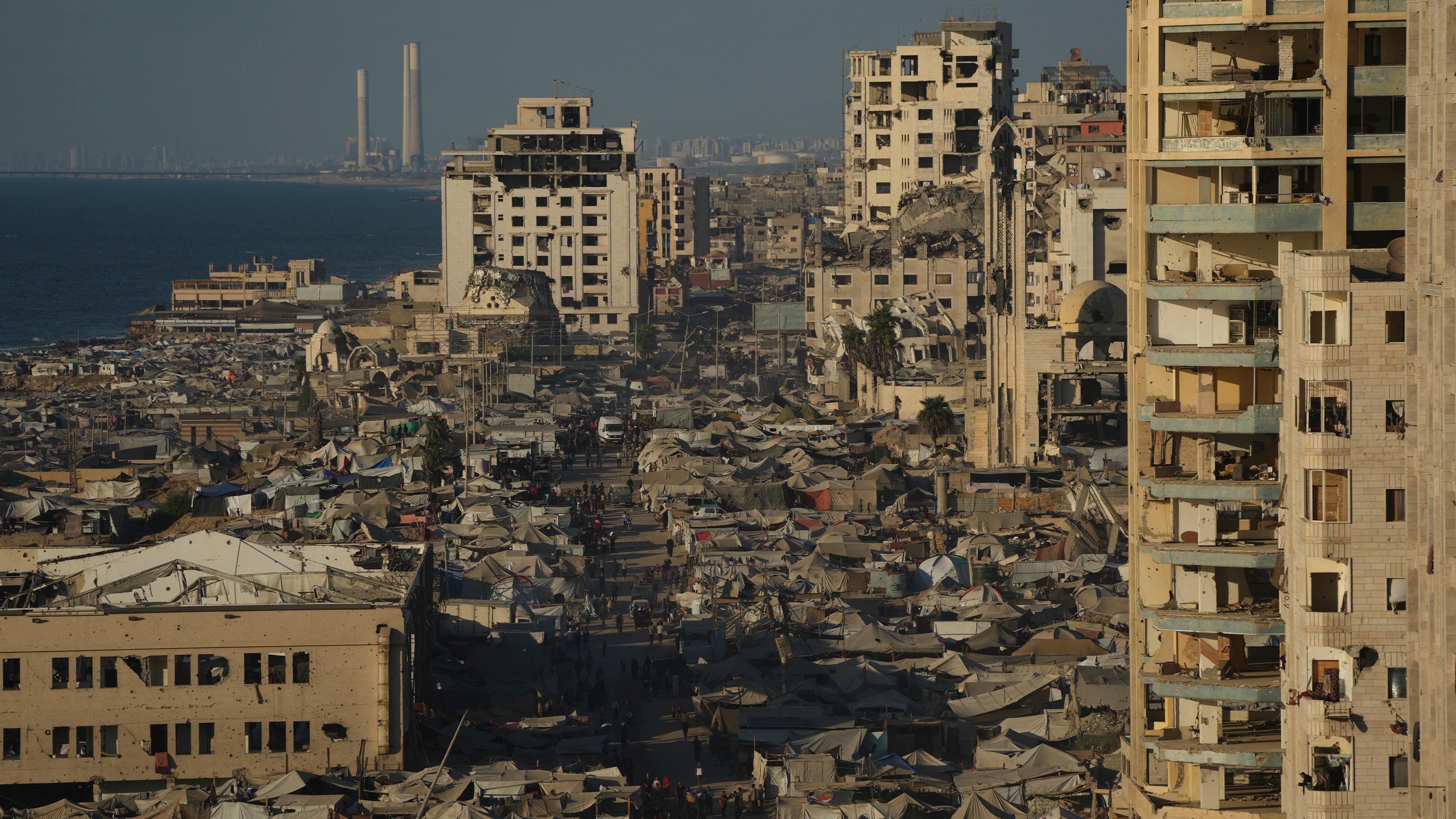
The violence is not limited to organized gatherings. Reports from Anadolu Ajansı indicate that an Israeli strike on a tent sheltering displaced Palestinians killed six people in Gaza City. This specific detail is critical because it highlights the vulnerability of those who have already fled their homes. Tents provide virtually no protection against aerial munitions, making any strike on a displacement camp inherently lethal.
The targeting of shelters suggests a breakdown in the effectiveness of evacuation orders or a failure in the intelligence used to identify targets. For thousands of displaced persons, the transition from a permanent home to a nylon tent was intended to be a move toward safety; however, these strikes demonstrate that displacement does not equate to security.
| Incident Type | Reported Casualties | Location/Context | Primary Source Reference |
|---|---|---|---|
| Wedding Strike | At least 5 killed | Gaza (Social Gathering) | Al Jazeera |
| General Strikes | 10 killed | Gaza Strip (General) | Dawn |
| Tent Strike | 6 killed | Gaza City (Displaced Persons) | Anadolu Ajansı |
| Southern Gaza Strike | 18-year-old killed; 12+ wounded | Southern Gaza | The Times of Israel |
| General Attacks | 5 killed; 49 injured | Gaza (Health Ministry Data) | Hasht-e Subh Daily |
Analyzing the Casualty Data from the Gaza Health Ministry
To understand the scale of the current escalation, one must look at the aggregate data provided by local health authorities. According to reports from Hasht-e Subh Daily, the Gaza Health Ministry has reported 5 killed and 49 injured in a specific set of Israeli attacks. While the number of deaths in this particular report is lower than in other incidents, the high number of injuries (49) points to the widespread nature of the blasts and the resulting shrapnel damage.
The disparity between the number of fatalities and the number of wounded often indicates the use of munitions that create large blast radii, impacting everyone in the immediate vicinity of the target.
The Gaza Health Ministry serves as the primary source for casualty figures within the Strip. Their data is essential for international humanitarian organizations to allocate resources and for human rights monitors to track the proportionality of military responses. However, the high volume of injuries places an unsustainable burden on a healthcare system that is already struggling with shortages of medicine, fuel, and surgical supplies.
The Impact on Youth and Non-Combatants
The human cost is further personalized by reports from The Times of Israel, which noted that an 18-year-old was killed and more than a dozen others were wounded in an IDF strike in southern Gaza. The death of a teenager underscores the demographic reality of Gaza, where a significant portion of the population is under the age of 25. When youth are killed in strikes, it fuels a cycle of grief and resentment that complicates any future prospects for stability in the region.
- Demographic Vulnerability: High percentage of children and young adults in the line of fire.
- Medical Strain: Dozens of injuries per strike overwhelm local clinics.
- Psychological Trauma: The randomness of strikes on weddings and tents creates a state of constant hyper-vigilance.
The Complexities of Urban Conflict in the Gaza Strip
The report that an Israeli strike kills at least five people at wedding in Gaza – Al Jazeera brings to light the inherent difficulties and ethical dilemmas of urban warfare. Gaza is one of the most densely populated places on earth, meaning that any military operation conducted in residential areas carries a high risk of civilian “collateral damage.”
The Challenge of Target Identification
Military operations in Gaza often rely on intelligence to target specific individuals or command centers. However, the use of tunnels and the placement of military assets within civilian infrastructure create a “shielding” effect. When a strike occurs at a wedding or a tent camp, it raises critical questions: Was the target a specific individual attending the event? Was the location misidentified? Or was the strike a result of imprecise munitions?
Regardless of the military justification, the result is a recurring pattern of civilian deaths. The international community frequently debates the principle of proportionality—the idea that the military advantage gained by a strike must outweigh the expected harm to civilians. When five people are killed at a wedding, the proportionality of such an action is almost always challenged by human rights organizations.
For more context on the legal frameworks governing these conflicts, see a related explainer on international humanitarian law in urban conflict.
The Role of Displacement and “Safe Zones”
The strike on the tent in Gaza City, resulting in six deaths, highlights the failure of the “safe zone” concept. Throughout the conflict, civilians have been directed to move to specific areas to avoid bombardment. However, the reality is that these zones often become overcrowded, lacks basic sanitation, and—as evidenced by recent strikes—are not immune to attack.
When people are forced into tents, they lose the minimal protection provided by concrete walls. A strike on a tent is not just a military action; It’s an attack on the most vulnerable state a human can be in. This creates a paradox where the act of following evacuation orders can lead directly to death.
Legal and Humanitarian Implications of Civilian Strikes
The recurring reports of civilian deaths—from the 10 killed reported by Dawn to the wedding tragedy reported by Al Jazeera—have significant implications for the international legal standing of the parties involved. Under the Geneva Conventions, the protection of civilians is a cornerstone of the laws of war.
Potential for War Crimes Investigations
Incidents involving weddings and shelters are often flagged by international bodies as potential war crimes. The key legal questions usually include:
- Distinction: Did the attacking force distinguish between combatants and civilians?
- Precaution: Were all feasible precautions taken to avoid civilian loss of life?
- Proportionality: Was the civilian loss excessive in relation to the concrete and direct military advantage anticipated?
The fact that an 18-year-old was killed in southern Gaza and six people were killed in a tent in Gaza City provides a data set for investigators to determine if these were isolated errors or part of a systemic failure to protect non-combatants.
The Humanitarian Crisis and Global Reaction
The global reaction to these strikes often mirrors the reporting. The report that an Israeli strike kills at least five people at wedding in Gaza – Al Jazeera tends to trigger immediate condemnation from humanitarian agencies, who argue that the “threshold of acceptable loss” has been far exceeded. The focus is no longer just on the strategic goals of the military operation, but on the moral cost of the campaign.
The cumulative effect of these strikes—the weddings, the tents, the youth—is the total erosion of civilian trust. When there is no place left to hide and no event too private to be targeted, the population enters a state of collective trauma that will take generations to heal.
To understand the broader context of the region’s stability, you may want to read an analysis of the humanitarian situation in Gaza.
Frequently Asked Questions
What happened during the Israeli strike at the wedding in Gaza?
According to reports from Al Jazeera, an Israeli strike targeted a location where a wedding was taking place, resulting in the deaths of at least five people. This incident is part of a wider series of attacks across the Gaza Strip targeting various locations.
How many civilians have been affected by recent strikes in Gaza?
Recent reports indicate varying numbers: Dawn reported 10 people killed in general strikes, the Gaza Health Ministry reported 5 killed and 49 injured in separate attacks, and Anadolu Ajansı reported 6 deaths in a strike on a tent for displaced persons in Gaza City.
Why are tents and wedding venues being hit in Gaza?
While military forces often claim to target combatants or military infrastructure, the high density of Gaza’s population means that civilian areas are often adjacent to targets. The strikes on tents and weddings highlight the extreme difficulty—or failure—of distinguishing between military and civilian targets in an urban environment.
Who is reporting these casualty figures?
Casualty figures are provided by a variety of sources, including the Gaza Health Ministry, which is the primary local authority for health data, and are reported by international news agencies such as Al Jazeera, Dawn, and Anadolu Ajansı, as well as The Times of Israel.
Is there any safe place for displaced Palestinians in Gaza?
Reports of strikes on tents in Gaza City suggest that even areas designated for displaced persons are not entirely safe. The lack of permanent infrastructure in displacement camps makes civilians highly vulnerable to aerial bombardment.
