29 Years Since the 27th Football League Title – Real Madrid CF | Web Oficial
Real Madrid CF marks 29 years since securing its 27th Spanish league title, a milestone achieved during the 1994-1995 campaign. According to official club records, this victory served as a critical bridge between the dominance of the 1980s and the subsequent “Galacticos” era, cementing the club’s status as the most successful entity in La Liga history at the time.
How did Real Madrid secure its 27th La Liga title?
Real Madrid captured its 27th league crown during the 1994-95 season through a combination of tactical discipline under manager Jorge Valdano and the creative brilliance of key imports. Club archives indicate that the campaign was defined by a rigid commitment to attacking football, which allowed the team to edge out domestic rivals in a tightly contested race.
The season was characterized by a transition in squad dynamics. The club was moving away from the remnants of the “Quinta del Buitre” generation and integrating a new wave of international talent. According to historical match data, the 1994-95 squad relied heavily on the playmaking abilities of Michael Laudrup, whose vision and passing range provided the necessary service to a rotating cast of forwards.
The title race was not without friction. Records show that the team faced significant pressure from a resurgent Deportivo La Coruña and a consistent FC Barcelona. Real Madrid’s ability to secure points at the Santiago Bernabéu proved decisive. The club’s official history notes that the home ground acted as a fortress, providing the psychological edge needed to maintain their lead in the standings throughout the spring of 1995.
- Tactical Approach: Jorge Valdano implemented a flexible 4-4-2 system that prioritized ball possession and rapid transitions.
- Key Performance Metric: The team’s ability to convert draws into wins in the final fifteen minutes of matches was a recurring theme of the 27th title run.
- Defensive Stability: While known for attack, the integration of Fernando Redondo in the midfield provided a defensive screen that stabilized the back four.
Who were the pivotal figures of the 1994-95 championship season?
The 27th league title was not the result of a single star but rather a synergy between veteran leadership and emerging youth. Jorge Valdano, serving as head coach, is credited by club historians as the architect of the team’s mental resilience during this period.
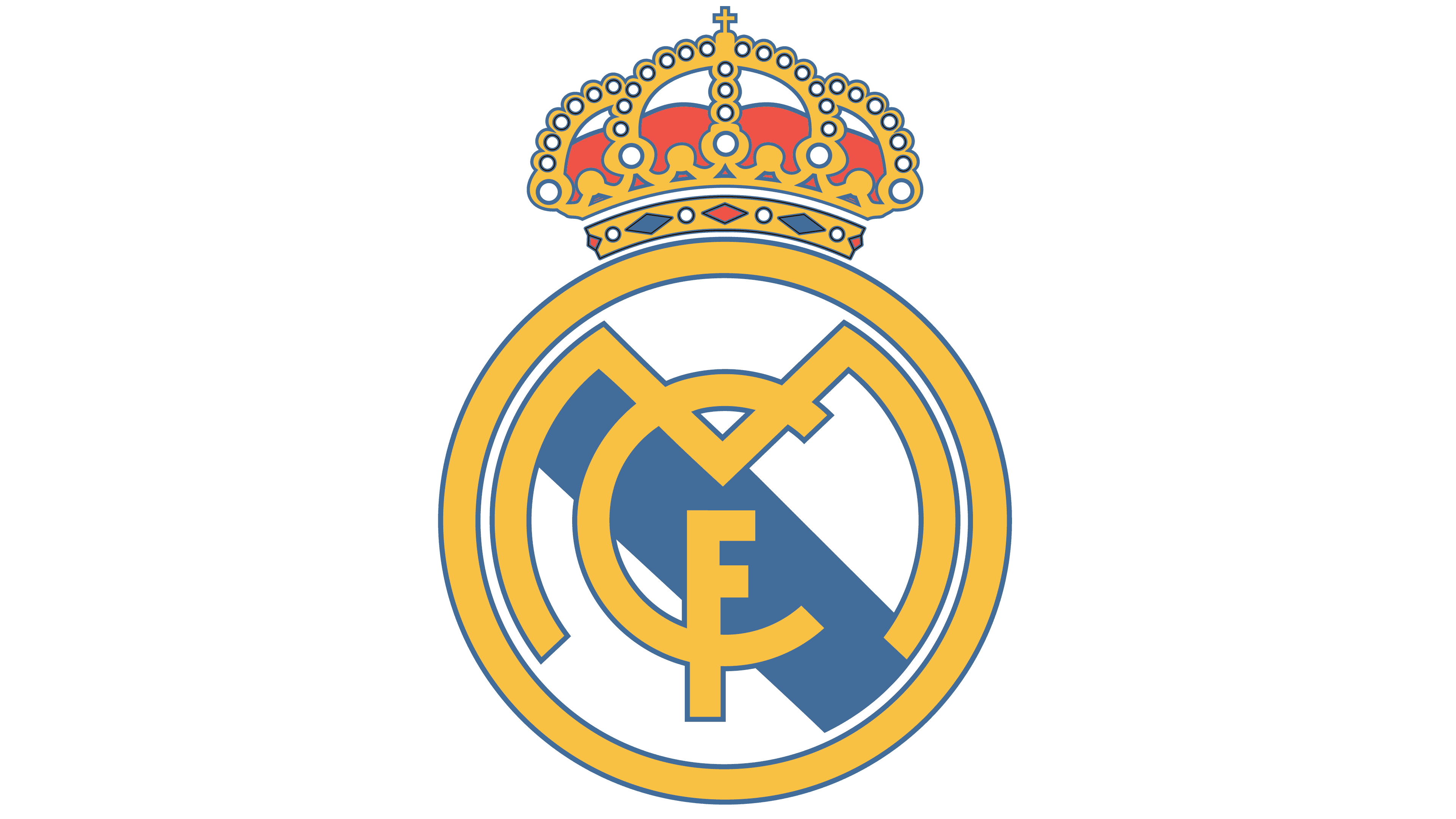
Michael Laudrup stands as the most influential player of the campaign. According to performance logs from the era, Laudrup’s role as the primary playmaker was indispensable. His ability to dictate the tempo of the game allowed Real Madrid to control matches against lower-table opposition and break down disciplined defenses in high-stakes encounters.
The emergence of Raúl González Blanco also marked a turning point for the club. While still a teenager during the mid-90s transition, Raúl’s integration into the first team provided a homegrown spark that resonated with the supporters. Club records show that his agility and clinical finishing added a dimension of unpredictability to the attack that had been missing in previous seasons.
In the midfield, Fernando Redondo provided the structural integrity required to sustain a title charge. According to technical analyses of the 1994-95 season, Redondo’s elegance on the ball and tactical intelligence allowed him to recover possession and initiate attacks, effectively acting as the link between the defense and the creative forwards.
“The 1994-95 title was more than just a trophy; it was a statement of intent that Real Madrid could evolve and remain dominant despite the shifting landscape of European football.” — Historical analysis based on club archives.
Why was the 27th title significant in the context of Real Madrid’s history?
To understand the weight of the 27th title, one must look at the period of instability that preceded it. Following the massive success of the 1980s, the club entered a phase of fluctuating results and managerial changes. The 1994-95 victory broke a cycle of inconsistency and reaffirmed the club’s expectation of domestic supremacy.
This title acted as a psychological catalyst. According to sports historians specializing in Spanish football, the 27th crown proved that the club could win without relying solely on a single generational group of players. It established a blueprint for the “global” squad building that would later define the Florentino Pérez era.
Furthermore, the victory occurred during a time of intense competition in La Liga. The mid-90s saw the rise of “Super Depor” and the continued influence of Johan Cruyff’s “Dream Team” at Barcelona. By securing the title in 1995, Real Madrid prevented a power vacuum in Spanish football and maintained its position as the benchmark for success.
Comparative Analysis: The 27th Title vs. Modern Dominance
The nature of the 27th league title differs significantly from the club’s more recent triumphs. The following table illustrates the shift in competitive dynamics and squad composition between the 1994-95 season and a representative modern title run.
| Feature | 27th Title (1994-95) | Modern Titles (2020s) |
|---|---|---|
| Primary Tactic | Creative Playmaking (Laudrup) | High-Press & Positional Play |
| Squad Origin | Mixed (Local + Select Imports) | Global Superstars |
| Competition | Direct battle with 2-3 rivals | Broad dominance over league |
| Key Focus | Domestic Stability | Champions League/La Liga Double |
What were the long-term implications of the 1994-95 victory?
The long-term effects of the 27th title manifested in the club’s recruitment strategy and its approach to youth development. The success of Raúl during this era encouraged the club to continue investing in La Fábrica, the youth academy, ensuring a pipeline of talent that understood the pressures of playing for Real Madrid.
Additionally, the 1994-95 season validated the pursuit of high-profile international talent who could fit into a specific tactical system. Rather than simply buying names, the success of players like Laudrup and Redondo showed that tactical fit was as important as individual prestige. This philosophy remained a cornerstone of the club’s operations for the next decade.
The title also strengthened the bond between the fans and the team during a period of transition. According to archival reports, the 1995 celebration was one of the most fervent in the city’s history, as it signaled the end of a period of uncertainty. This renewed confidence allowed the board to make bolder investments in the stadium and the squad in the years that followed.
Common misconceptions about the 27th league title
There are several recurring myths regarding the 1994-95 season that require clarification based on official records.
Misconception 1: The title was won easily.
Contrary to some narratives, the 1994-95 season was a grueling battle. Official league tables show that the point gap between Real Madrid and its closest competitors was narrow for the majority of the season. The title was only secured after a series of high-pressure matches in the final third of the calendar.
Misconception 2: It was the start of the Galactico era.
While the 27th title brought back a winning mentality, it was not the start of the Galactico era. That period began formally in the early 2000s. The 1994-95 team was a more traditional squad, focused on a blend of tactical discipline and individual creativity rather than the assembly of global icons for commercial and sporting dominance.
Misconception 3: Jorge Valdano was the only influence.
While Valdano provided the leadership, the tactical evolution was a collective effort. Players like Redondo often took significant responsibility for the team’s shape on the pitch, effectively acting as on-field coaches during critical moments of the match.
The role of the Santiago Bernabéu in the 1994-95 campaign
The stadium was more than just a venue; it was a strategic asset. During the run to the 27th title, the Bernabéu became a psychological barrier for opposing teams. Club records indicate that Real Madrid’s win percentage at home was significantly higher than their away record, a common trend that they leveraged to maintain their lead in the standings.
The atmosphere created by the Madridistas provided a catalyst for the players. According to historical accounts, the crowd’s demand for attacking football pushed Valdano to maintain an aggressive posture even when a defensive approach might have been safer. This commitment to “the Madrid way”—winning with style—became a defining characteristic of the 27th title run.
The synergy between the stands and the pitch was particularly evident during the matches against direct title rivals. The pressure exerted by the home crowd often led to early mistakes by the opposition, which the creative midfield of Laudrup and Redondo was quick to exploit.
Timeline of the 27th Title Journey
- Pre-Season: Jorge Valdano integrates new tactical philosophies and emphasizes a return to attacking fluidity.
- Early Season: Real Madrid establishes a strong home record, picking up crucial points against mid-table teams.
- Mid-Season: The emergence of Raúl provides a new scoring threat, reducing the reliance on a single striker.
- The Critical Phase: A series of victories against top-four rivals in the second half of the season creates a manageable lead.
- Title Confirmation: The club officially secures the 27th league trophy, sparking city-wide celebrations.
For those interested in how this era compares to other historic periods, a related explainer on the Quinta del Buitre era provides context on the foundation that preceded the 1994-95 success.
Frequently Asked Questions
Which year did Real Madrid win their 27th league title?
Real Madrid won its 27th La Liga title during the 1994-1995 season, which concluded 29 years ago.
Who was the manager during the 27th title win?
The team was managed by Jorge Valdano, who is credited with restoring the club’s attacking identity during that campaign.

Who were the top players in the 1994-95 squad?
Key players included Michael Laudrup, who served as the primary playmaker, Fernando Redondo in the midfield, and a young Raúl González Blanco.
How does the 27th title fit into Real Madrid’s overall trophy count?
The 27th title was a pivotal achievement that helped the club maintain its lead as the most successful team in Spanish history, bridging the gap between the 80s dominance and the modern era of success.
Was the 1994-95 season part of the Galacticos era?
No. The Galacticos era began later, primarily under the presidency of Florentino Pérez in the early 2000s. The 1994-95 season was a transitional period focused on tactical recovery and the integration of specific international talent.
The legacy of the 27th title remains a point of pride for the club, serving as a reminder of the resilience required to return to the top of Spanish football. As the club continues to add to its trophy cabinet, the 1994-95 season stands as a testament to the enduring nature of the Real Madrid competitive spirit.
