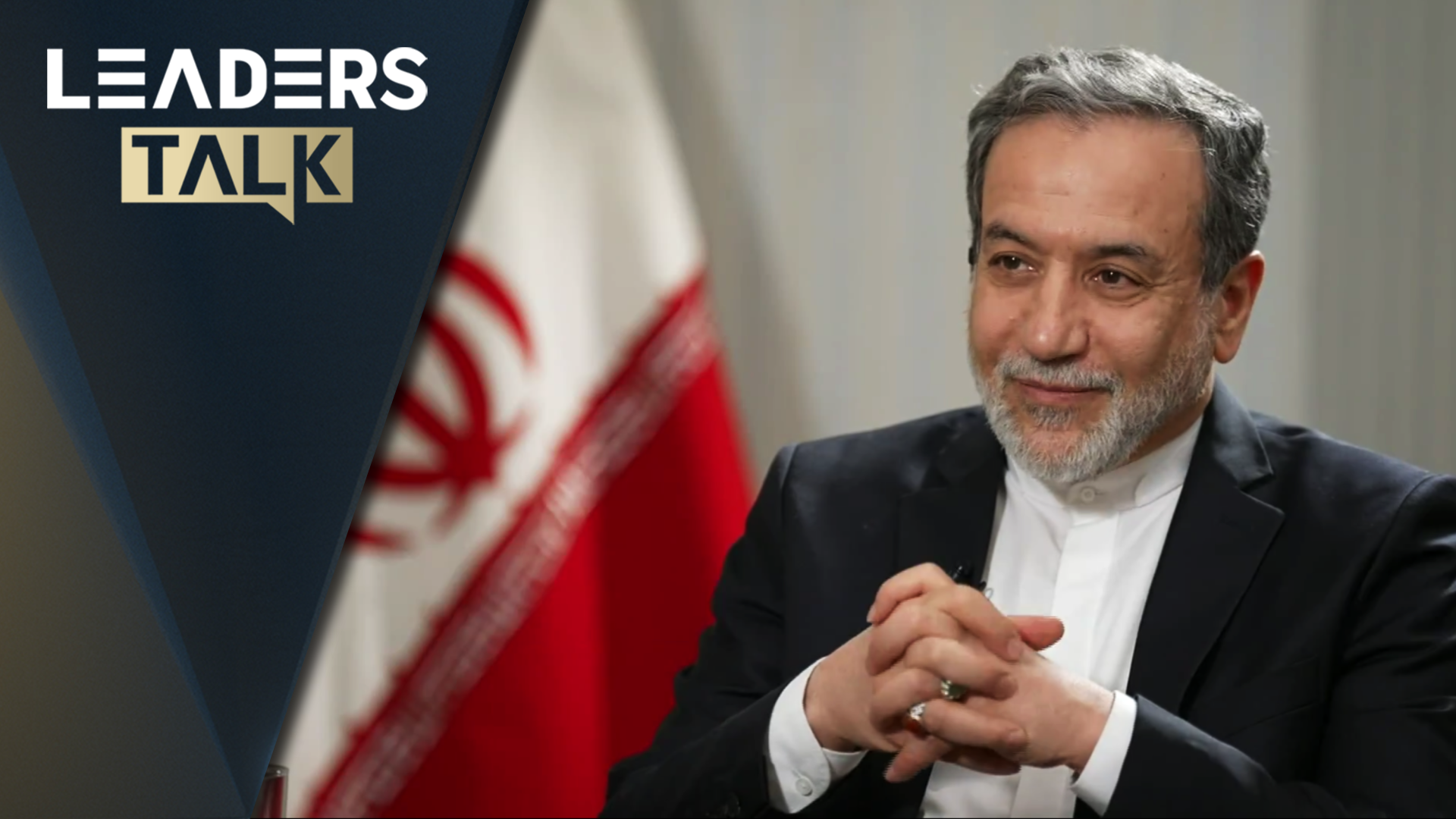
Iran’s rise as a regional powerhouse rests on a foundation of strategic assets—oil reserves, military influence, and a network of proxies—that analysts say could reshape Middle East geopolitics if fully harnessed. But according to Dr. Ali Reza Naderan, a professor of international relations at Tehran University, the country’s potential remains constrained by economic sanctions, internal divisions, and a history of missteps in diplomacy.
“Iran has everything it needs to become a dominant force—geopolitical leverage, technological capacity, and a willingness to play the long game,” Naderan told local media. “The question is whether its leaders can overcome the structural weaknesses that have held them back for decades.”
Naderan’s assessment comes as Iran navigates a precarious balance between expanding its influence in Syria, Yemen, and Lebanon while facing renewed pressure from the U.S. and its allies over its nuclear program and regional interventions. The country’s economic struggles—exacerbated by sanctions and low oil prices—have forced Tehran to prioritize survival over ambition, according to public statements from Iranian officials.
Why Iran’s Potential Isn’t Yet a Reality
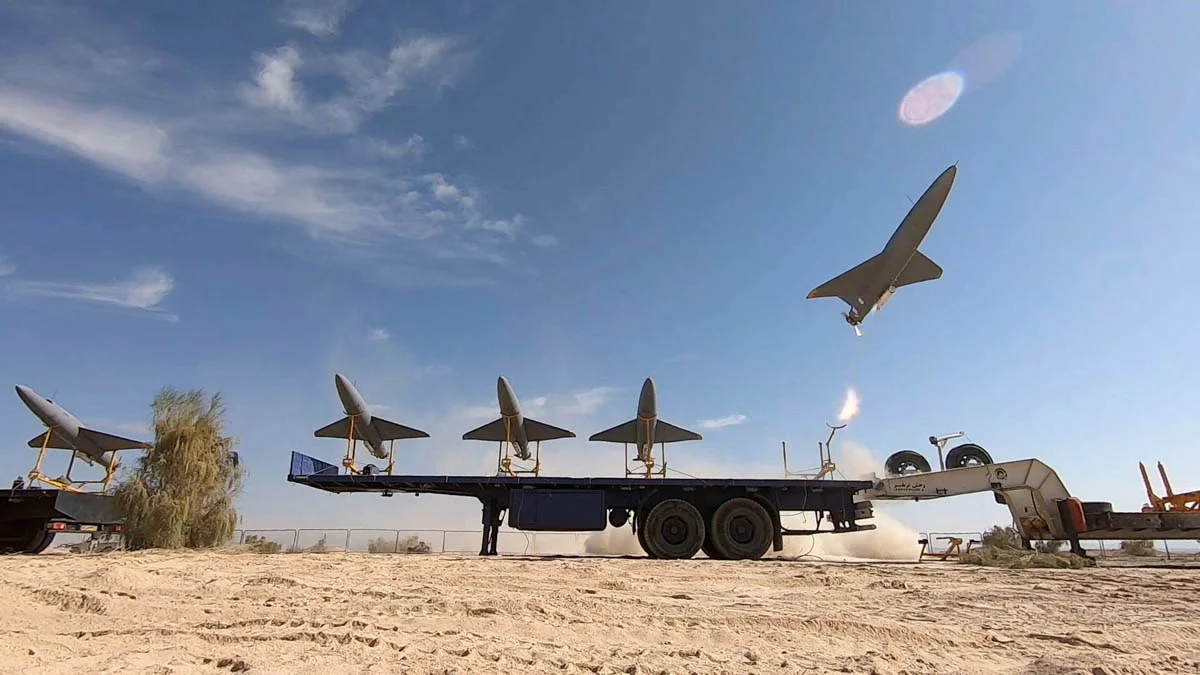
Iran’s strategic advantages are undeniable. With the world’s fourth-largest proven oil reserves and a military that includes ballistic missiles, drones, and a vast network of proxy groups, the country has long been a key player in Middle East conflicts. Its support for Hezbollah in Lebanon, the Houthis in Yemen, and Shiite militias in Iraq has given Tehran indirect control over critical chokepoints in global trade routes.
Yet Dr. Naderan argues that three major obstacles continue to limit Iran’s ability to translate these assets into sustained power:
- Economic isolation: U.S. sanctions, reinstated under the Trump administration and expanded under Biden, have crippled Iran’s ability to trade freely. The country’s GDP contracted by 6.8% in 2023, according to the International Monetary Fund, and inflation remains above 40%.
- Internal fragmentation: Political divisions between hardliners, reformists, and military factions have led to inconsistent foreign policy, with some officials pushing for engagement with the West while others double down on confrontation.
- Diplomatic miscalculations: Past attempts to negotiate with Western powers—such as the 2015 nuclear deal—have collapsed due to mutual distrust, leaving Iran with few reliable partners.
“The regime’s survival depends on maintaining this delicate equilibrium,” Naderan said. “But survival doesn’t equal dominance.”
How the West and Regional Rivals View Iran’s Role
Iran’s neighbors and traditional adversaries watch its ambitions with a mix of wariness and calculation. Saudi Arabia, Iran’s Sunni rival, has sought to counter Tehran’s influence through military alliances and economic deals with Israel and the U.S. Meanwhile, Israel has conducted repeated airstrikes against Iranian-backed militias in Syria and Iraq, framing its actions as necessary to prevent Iran from establishing a permanent foothold in the region.
In Washington, officials have described Iran as the “biggest state sponsor of terrorism,” according to public remarks by Secretary of State Antony Blinken. The U.S. has maintained sanctions on Iran’s oil exports and financial institutions, arguing that any lifting of restrictions would only embolden Tehran’s aggressive regional policies.
Yet some analysts suggest that Iran’s influence may be overstated. Dr. Daniel Byman, a senior fellow at the Brookings Institution, noted in a recent report that while Iran’s proxies have proven effective in asymmetric warfare, they remain dependent on Iranian funding and training—a vulnerability that could be exploited.
“Iran’s power is real, but it’s also fragile,” Byman wrote. “Its proxies are not independent actors; they are extensions of Tehran’s will—and that makes them vulnerable to pressure.”
What Could Shift the Balance?
If Iran were to overcome its economic and political challenges, several developments could accelerate its rise:
- A breakthrough in nuclear negotiations: Any revival of the 2015 nuclear deal—or a new agreement—could unlock billions in frozen assets and ease sanctions, giving Tehran the financial breathing room to invest in infrastructure and technology.
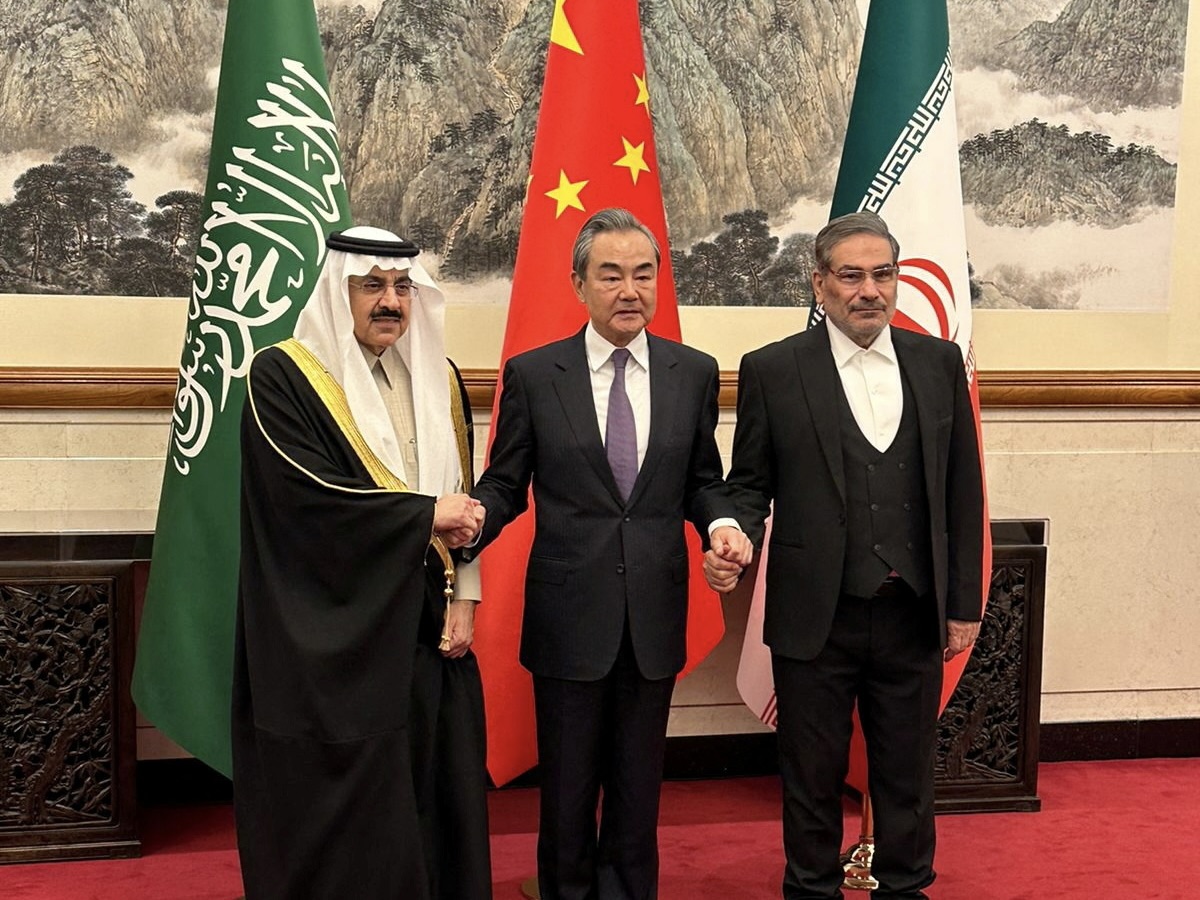
- Regional detente with Saudi Arabia: A potential thaw in relations between Riyadh and Tehran, possibly mediated by China or Iraq, could reduce proxy wars and allow Iran to focus on domestic stability.
- Technological advancements: Iran’s progress in drone technology and cyber warfare has drawn attention from military observers. If these capabilities continue to improve, they could offset conventional military disadvantages.
For now, however, Iran remains caught between ambition and constraint. Dr. Naderan cautioned that without major reforms—both economic and political—the country’s potential will continue to be overshadowed by its challenges.
“The window for Iran to become a true global power is closing,” he said. “But it’s not gone yet.”
