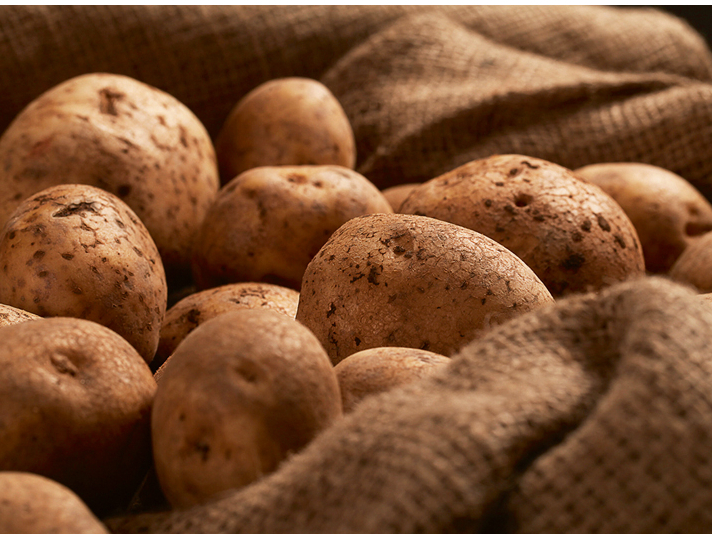
A new potato variety developed by Latvian scientists has entered field trials, marking a potential breakthrough for the country’s agriculture sector amid rising global demand for hardy, high-yield crops.
Why this matters
Latvia’s potato industry, a staple of its agricultural economy, faces increasing pressure from climate variability and shifting consumer preferences. The new variety, tested in controlled field conditions, could help secure food supplies while meeting international quality standards.
Key details from the trials
According to local agricultural reports, the trials involve planting 500 seeds of the new variety across three test plots in central Latvia. Researchers from the Latvian State Forest Research Institute are monitoring growth rates, disease resistance, and yield potential. Early data suggests the variety matures faster than traditional strains, a critical advantage in Latvia’s short growing season.
“This isn’t just about higher yields—it’s about resilience,” said Dr. Andris Ozols, lead researcher at the institute. “Climate models predict more erratic weather in the Baltic region, and crops need to adapt.”
Broader implications for Baltic agriculture
Latvia’s potato exports have fluctuated in recent years due to competition from lower-cost producers in Eastern Europe. The new variety, if successful, could position Latvian farmers to compete on quality rather than price, particularly in markets demanding organic or climate-adapted produce. The European Union’s Common Agricultural Policy has also emphasized sustainable farming practices, aligning with Latvia’s focus on eco-friendly innovations.
Next steps: From lab to market
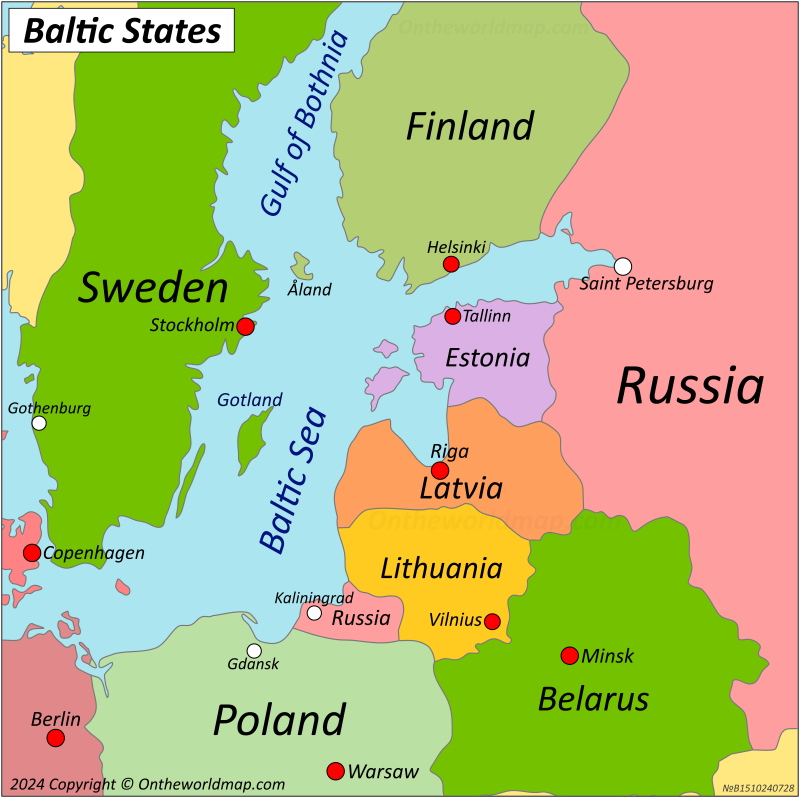
If the field trials yield positive results, the variety will undergo further testing in 2025 before potential commercialization. The Latvian Ministry of Agriculture has allocated €1.2 million for scaling up production, with plans to distribute seeds to smallholder farmers by 2026. Meanwhile, neighboring Estonia and Lithuania are watching closely—both have launched similar projects to develop climate-resistant potato strains.
Fast Facts
- Testing phase: 500 seeds planted across three plots in central Latvia.
- Key trait: Faster maturation than traditional varieties, suited for Latvia’s short growing season.
- Funding: €1.2 million allocated by the Latvian Ministry of Agriculture for scaling.
- Timeline: Potential market release by 2026, pending 2025 trials.
- Regional context: Estonia and Lithuania have parallel projects for climate-resistant potato strains.
How this compares to past efforts
Latvia’s previous potato innovations, such as the Vida variety introduced in 2018, focused on disease resistance but saw limited adoption due to lower yields. The new strain’s emphasis on speed and adaptability addresses a gap left by earlier efforts, according to agricultural economists at the University of Latvia. “This time, the focus is on practicality for farmers—not just research lab metrics,” said one economist, noting that smallholder adoption remains a challenge even for successful varieties.
