
The Role of Genomic Assays in Personalizing Treatment for Early HR+ Breast Cancer
Genomic assays now allow oncologists to identify early hormone receptor-positive (HR+) breast cancer patients who can safely avoid chemotherapy. By analyzing gene expression patterns in tumor tissue, these tests predict the likelihood of recurrence and the potential benefit of chemotherapy, shifting treatment from a one-size-fits-all approach to personalized medicine.
For decades, the standard of care for early-stage HR+ breast cancer relied heavily on tumor size, lymph node involvement, and the patient’s age. While endocrine therapy is the cornerstone of treatment for these patients, the decision to add chemotherapy remained a point of clinical contention. Many patients received chemotherapy that provided no measurable survival benefit, exposing them to unnecessary toxicity. According to clinical guidelines from the National Comprehensive Cancer Network (NCCN), the integration of genomic assays has transformed this decision-making process by providing a molecular blueprint of the tumor’s behavior.
Why are genomic assays necessary for HR+ breast cancer?
Hormone receptor-positive (HR+) breast cancers are those that grow in response to estrogen and progesterone. While they generally have a better prognosis than triple-negative or HER2-positive cancers, they are highly heterogeneous. Two tumors that appear identical under a microscope—both being Grade 2, node-negative, and HR+—can behave entirely differently. One may be indolent and respond solely to endocrine therapy, while the other may be aggressive and require chemotherapy to prevent recurrence.
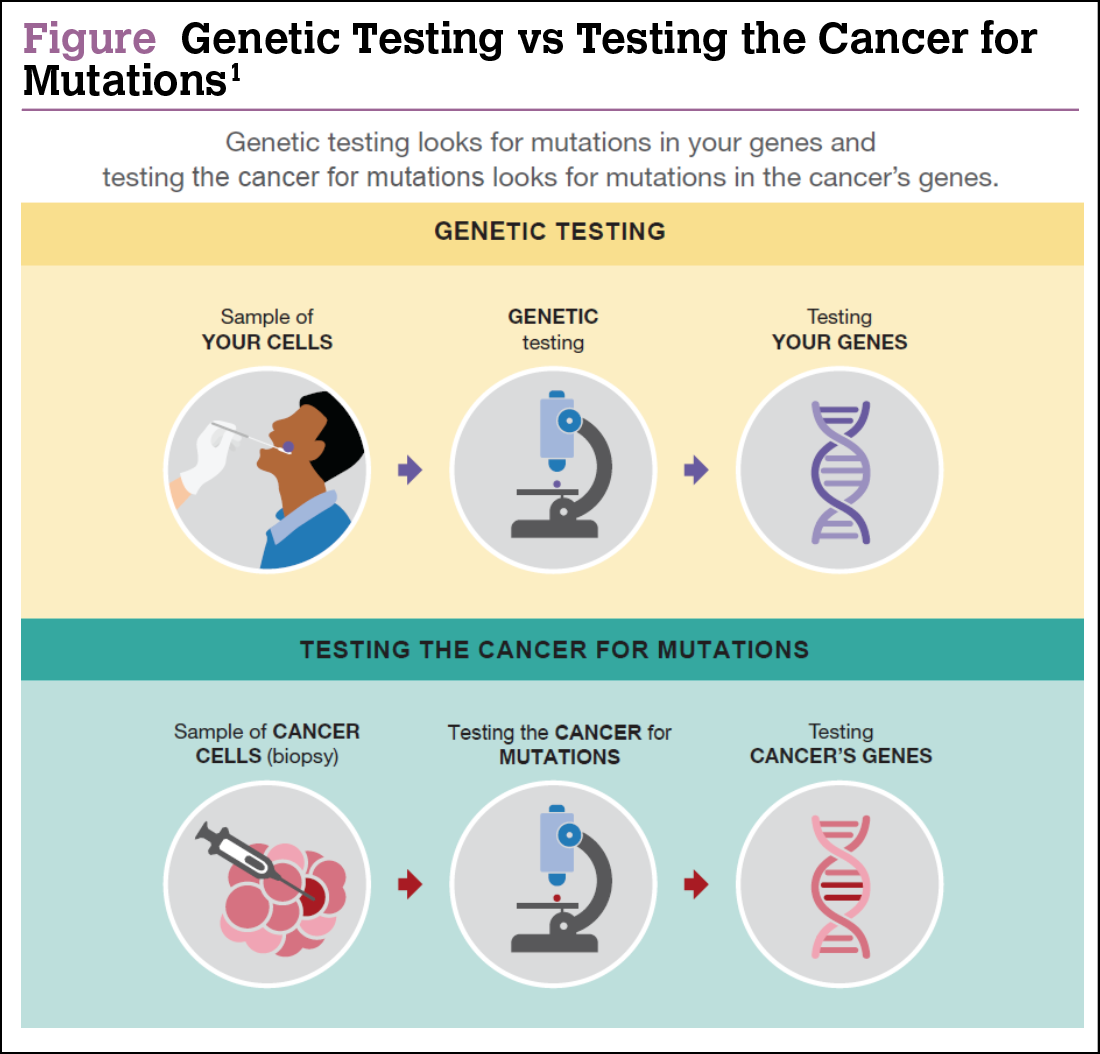
Genomic assays solve this problem by measuring the expression of specific genes within the tumor. Rather than looking at the structure of the cells, these tests look at the activity of the genes. High expression of certain “proliferation genes” typically indicates a more aggressive tumor that is more likely to respond to chemotherapy. Low expression suggests a low-risk tumor where chemotherapy would offer little to no additional benefit over endocrine therapy alone.
The primary goal of these assays is to eliminate “over-treatment.” Chemotherapy carries significant risks, including:
- Hematologic Toxicity: Severe drops in white blood cell counts, increasing the risk of life-threatening infections.
- Neuropathy: Permanent nerve damage, often manifesting as tingling or numbness in the extremities.
- Cognitive Impairment: Often referred to as “chemo-brain,” affecting memory and executive function.
- Secondary Malignancies: A small but significant risk of developing leukemia later in life.
By identifying the subset of patients who can safely omit these drugs, genomic assays improve the quality of life without compromising long-term survival rates.
How do the leading genomic assays differ in application?
Several assays have gained regulatory approval and clinical acceptance, but they measure different things and are used in different scenarios. The most prominent include Oncotype DX, MammaPrint, and Prosigna (PAM50).

Oncotype DX is perhaps the most widely used assay in the United States. It provides a “Recurrence Score” (RS) based on the expression of 21 genes. The TAILORx trial, a landmark study, demonstrated that for postmenopausal women with node-negative, HR+ breast cancer, those with a low RS (0-25) derived no significant benefit from adding chemotherapy to endocrine therapy. For premenopausal women, the data is more nuanced, with some benefit seen in the RS 16-25 range.
MammaPrint focuses on a 70-gene signature to categorize patients as “low risk” or “high risk” for distant recurrence. The MINDACT trial showed that patients in the low-risk category could safely avoid chemotherapy, regardless of their lymph node status, provided they received endocrine therapy. This makes MammaPrint particularly useful for patients with 1-3 positive lymph nodes, a group where the decision to use chemotherapy was previously more aggressive.
Prosigna uses the PAM50 assay to determine the intrinsic subtype of the breast cancer (Luminal A, Luminal B, HER2-enriched, or Basal-like). Luminal A tumors are generally the least aggressive and most likely to respond to endocrine therapy alone, whereas Luminal B tumors are more proliferative and often require chemotherapy.
| Assay Name | Primary Metric | Key Evidence Base | Primary Clinical Use |
|---|---|---|---|
| Oncotype DX | 21-Gene Recurrence Score (RS) | TAILORx Trial | Predicting chemo-benefit in node-negative HR+ |
| MammaPrint | 70-Gene Signature (Low/High Risk) | MINDACT Trial | Predicting distant recurrence risk (including node+) |
| Prosigna | PAM50 Intrinsic Subtyping | Various clinical cohorts | Identifying molecular subtype (e.g., Luminal A vs B) |
What happens when an assay indicates a ‘low risk’ score?
When a genomic assay returns a low-risk result, the clinical trajectory shifts toward “de-escalation.” For most patients, this means the oncologist will recommend omitting chemotherapy and proceeding directly to endocrine therapy. Endocrine therapies, such as Tamoxifen or Aromatase Inhibitors (Anastrozole, Letrozole, Exemestane), work by blocking the hormone receptors that fuel the tumor’s growth.
A low-risk score provides a quantitative justification for this decision, reducing the anxiety associated with omitting a “strong” treatment like chemotherapy. However, the decision is not based on the score alone. According to ASCO (American Society of Clinical Oncology) guidelines, the genomic score is one piece of a larger puzzle. Clinicians also consider:

- Patient Age: Younger patients may have a different risk profile and different tolerances for toxicity.
- Comorbidities: A patient with severe heart disease may be unable to tolerate certain chemotherapies, making a low-risk score even more critical for confirming the safety of omission.
- Tumor Grade: While the assay is more precise, a very high grade (Grade 3) may still prompt a discussion about chemotherapy even if the score is borderline.
“The shift toward genomic-driven treatment represents a move from treating the average patient to treating the individual patient. We are no longer asking ‘Does chemotherapy work for HR+ breast cancer?’ but rather ‘Does chemotherapy work for this specific tumor?'”
How do these assays affect patients with lymph node-positive cancer?
Historically, any patient with cancer in their lymph nodes was automatically slated for chemotherapy. The presence of nodal involvement was seen as an absolute indicator of high risk. However, recent data has challenged this binary approach. Genomic assays have revealed that some node-positive patients actually have “low-risk” molecular signatures.
The MINDACT trial specifically addressed this, showing that a significant portion of patients with 1-3 positive lymph nodes fell into the MammaPrint low-risk category and did not see a survival advantage from chemotherapy. This discovery has led to a more tailored approach for node-positive patients, allowing some to avoid the systemic toxicity of chemotherapy if their genomic profile suggests a low likelihood of distant metastasis.
For patients with more extensive nodal involvement (4 or more positive nodes), the consensus remains that chemotherapy is generally necessary. In these cases, the genomic assay may be less useful for deciding if chemotherapy is needed, but it may still provide insights into the aggressive nature of the tumor and help in planning the duration of subsequent endocrine therapy.
What are the common misconceptions about genomic testing?
One frequent misconception is that a “low risk” score guarantees that the cancer will not return. Genomic assays provide a probability, not a certainty. They measure the likelihood of recurrence based on large populations of patients with similar gene expressions. A low score significantly reduces the risk, but it does not eliminate it entirely.
Another common misunderstanding is that these tests replace the pathologist’s report. They do not. A pathologist first determines if the cancer is HR+ and HER2-negative. Only after these basic markers are established does the genomic assay become relevant. The assay is a supplementary tool, not a primary diagnostic.
Finally, some patients believe that these tests can tell them exactly which chemotherapy drug will work best. Currently, most approved assays for early HR+ breast cancer are designed to tell the clinician whether chemotherapy is needed, rather than which specific agent should be used. While pharmacogenomics is an evolving field, the primary role of current assays is the binary decision of “chemo vs. no chemo.”
What are the economic and systemic implications of personalized treatment?
The adoption of genomic assays introduces a complex cost-benefit dynamic into healthcare systems. The tests themselves are expensive, often costing thousands of dollars. However, these costs are frequently offset by the avoidance of chemotherapy.
The economic impact includes:
- Direct Cost Savings: Avoiding multiple cycles of chemotherapy, administration fees, and the supportive medications required to manage side effects.
- Indirect Cost Savings: Reducing the need for hospitalizations due to chemotherapy-induced neutropenia or other severe complications.
- Productivity Gains: Patients who avoid chemotherapy often return to work and normal daily activities much faster, reducing the economic burden on the family and society.
Despite these benefits, access to genomic assays is not universal. Insurance coverage varies, and in some global healthcare systems, the high upfront cost of the test remains a barrier to implementation. This creates a disparity where only patients in well-funded systems can access the data needed to avoid unnecessary toxicity.
For more information on the biological drivers of these tumors, see a related explainer on endocrine therapy options.
How is the field of genomic profiling evolving?
The next frontier in personalizing HR+ breast cancer treatment is the integration of “liquid biopsies” and multi-omic profiling. While current assays use the primary tumor tissue (which is a static snapshot), liquid biopsies analyze circulating tumor DNA (ctDNA) in the blood. This could allow doctors to monitor the tumor’s response to treatment in real-time and adjust therapy if the genomic signature changes.
Furthermore, researchers are looking beyond gene expression (mRNA) to include epigenetic changes and protein-level analysis. By combining these different layers of data—genomics, proteomics, and metabolomics—oncologists hope to create an even more precise risk profile.
There is also an increasing focus on the “premenopausal gap.” Because premenopausal women often have different hormonal environments and higher risks of recurrence, new trials are underway to refine the recurrence scores specifically for this demographic. This would ensure that younger women are not over-treated nor under-treated based on data derived primarily from older populations.
For a deeper look at how these results fit into the broader clinical picture, refer to a detailed guide to breast cancer staging.
Frequently Asked Questions
Do all HR+ breast cancer patients need a genomic assay?
Not necessarily. Patients with very small, low-grade, node-negative tumors may already be considered low-risk by clinical standards. Conversely, those with widespread nodal involvement or very high-grade tumors may be clear candidates for chemotherapy regardless of a genomic score. The assay is most valuable for patients in the “gray area” where the benefit of chemotherapy is uncertain.
Can a genomic assay be done after surgery?
Yes. These assays require a sample of the tumor tissue. They are typically performed on the tissue removed during the initial surgery (lumpectomy or mastectomy). The results are then used to plan the adjuvant therapy (treatment given after surgery).
How long does it take to get the results of a genomic test?
Depending on the specific assay and the laboratory, results typically take between one and three weeks. Because endocrine therapy can usually be started shortly after surgery, the timing of the genomic assay rarely delays the start of essential hormone treatment.
Will a high-risk score mean I definitely need chemotherapy?
A high-risk score suggests that chemotherapy is likely to provide a survival benefit. However, the final decision is made by the oncology team, considering the patient’s overall health, preferences, and other clinical markers. It is a strong recommendation, not an absolute mandate.
Are genomic assays covered by insurance?
In many developed healthcare systems, including the U.S., most major insurance providers cover these tests for eligible patients because they are proven to reduce the cost and toxicity of unnecessary chemotherapy. However, coverage depends on the specific policy and the clinical indications for the test.
