
A record-breaking heatwave has killed at least two dozen people in France this week as temperatures soared beyond 40°C (104°F), with officials warning that the crisis is far from over and may worsen before relief arrives.
The deadly conditions have forced authorities to take unprecedented measures, including the closure of schools and the reduction of working hours in some regions. Meanwhile, rescue teams have recovered dozens of bodies from rivers and lakes where people sought refuge from the scorching temperatures.
Why is this heatwave so deadly?
France’s meteorological service has confirmed that the current heatwave is the most intense ever recorded in the country, with a heat dome—an area of high pressure trapping hot air—settling over the region. According to local media reports, temperatures in southern France have exceeded 45°C (113°F) in some areas, shattering previous records.

Rescue operations have been overwhelmed by the sheer number of people attempting to cool off in waterways. Officials in the Auvergne-Rhône-Alpes region reported finding at least 20 bodies in the Rhône River alone since Monday, while similar incidents have been documented along the Seine and Loire rivers. “We’ve never seen anything like this,” said a regional emergency spokesperson, adding that the heat had forced hospitals to divert patients to cooler areas.
In response, the French government has declared a national state of emergency, urging residents to stay indoors during peak heat hours and limiting outdoor activities. Some municipalities have even implemented water rationing to prevent further strain on infrastructure.
How are other European countries responding?
France’s crisis has triggered a broader regional alert, with neighboring countries also battling extreme heat. In Germany, authorities have reduced working hours in some sectors to protect workers, while Spain and Italy have issued similar warnings. A government official in Portugal stated that the heatwave had already claimed lives there as well, with temperatures reaching 42°C (107°F) in Lisbon.
According to international observers, the current heatwave aligns with long-term climate projections warning of increasingly severe weather events in Europe. The World Meteorological Organization has previously linked such extreme heat to human-induced climate change, noting that heatwaves are now five times more likely than a century ago.
What’s next for France and Europe?
Meteorologists predict that the heat dome will persist for at least another week, with little relief expected before the end of July. French officials have urged citizens to prepare for prolonged extreme conditions, including stocking up on water, avoiding alcohol, and checking on vulnerable neighbors.
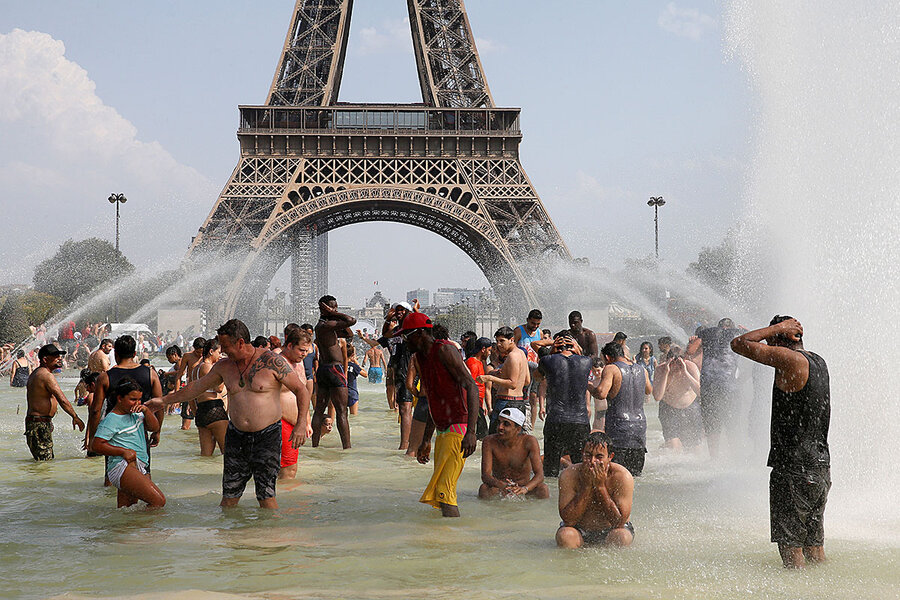
In the short term, rescue operations will remain critical, with additional emergency crews deployed to high-risk areas. Longer-term, the crisis has reignited debates over climate adaptation policies across Europe, with some calling for accelerated investments in heat-resistant infrastructure and public cooling centers.
For now, the focus remains on survival. “This is not just a heatwave—it’s a human disaster,” said a senior health official, emphasizing the need for urgent action to mitigate further losses.
