
Conflict involving Iran is hindering industrial production across Europe, creating secondary economic risks for Latvia, according to local media reports. The instability threatens energy price stability and global supply chains, which reduces manufacturing capacity within the European Union and subsequently lowers demand for Latvian exports.
- Primary Driver: Geopolitical instability involving Iran.
- Industrial Impact: Slowdown in European manufacturing due to energy and supply chain disruptions.
- Latvian Consequence: Economic vulnerability via reduced EU export demand.
How Conflict in Iran Disrupts European Industry
Energy price volatility is the primary mechanism through which Iranian instability affects European factories. According to local media reports, the threat of conflict involving Iran creates uncertainty in global oil and gas markets. Because much of the European Union’s industrial base relies on predictable energy costs to maintain margins, price spikes lead to reduced production levels.
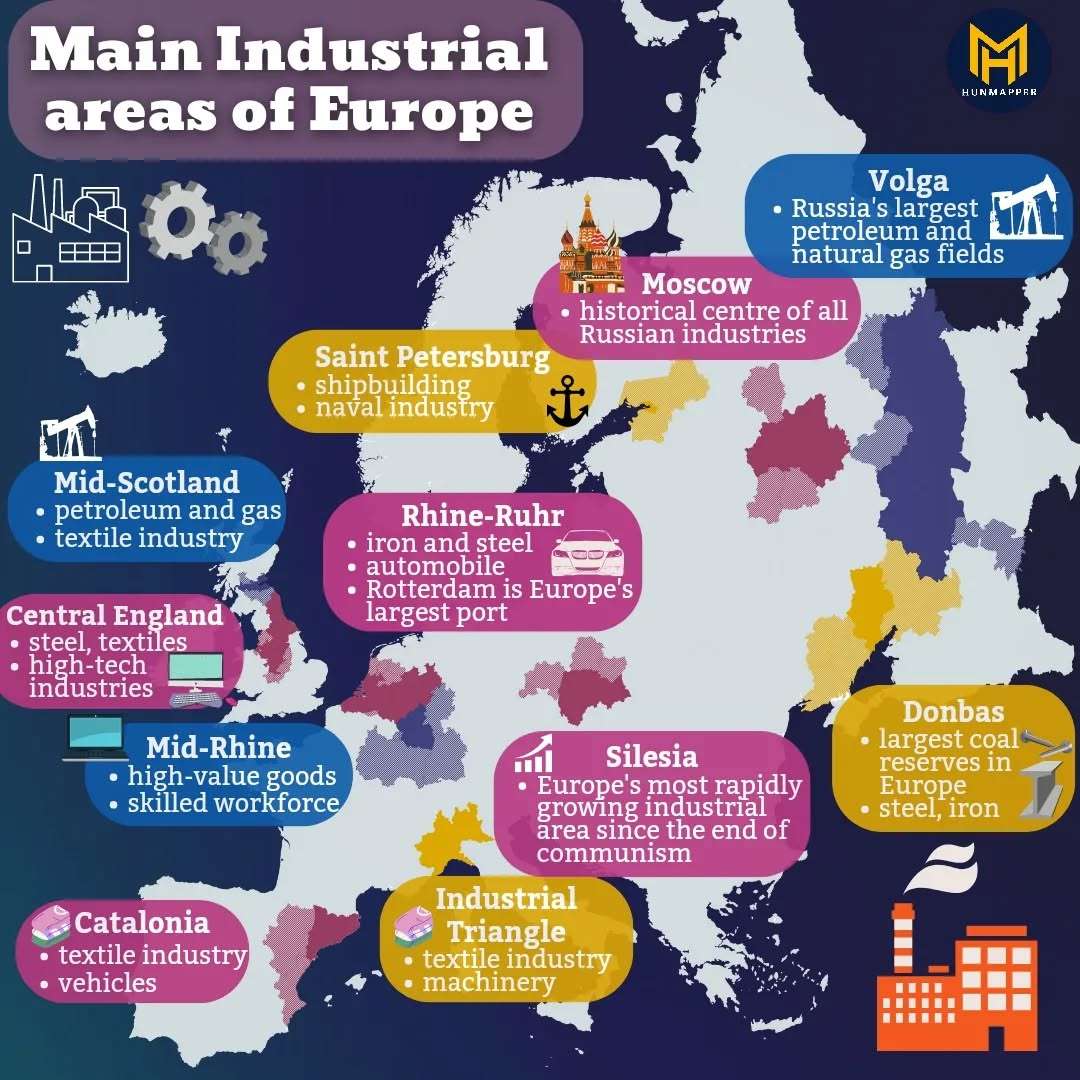
Supply chain interruptions further compound these issues. When regional tensions escalate, shipping routes and logistics networks face increased risks. This slows the arrival of raw materials and components, forcing manufacturers to scale back operations or face higher operational costs.
Why the Latvian Economy is Vulnerable
Latvia’s economic health is closely tied to the performance of the European Union’s larger industrial economies. According to local media reports, a slowdown in European industry directly impacts Latvian exporters who provide raw materials, timber, and machinery to these markets.
The Latvian economy operates as a small, open system. When industrial giants in Western Europe reduce their output, the demand for Latvian intermediate goods drops. This creates a dual pressure: higher costs for imported energy and a decrease in revenue from exported goods.
Geopolitical Implications for Regional Stability
The current tensions involving Iran reflect broader geopolitical frictions that extend beyond the Middle East. The impact on European industry demonstrates the interconnectedness of energy security and regional stability. As European nations attempt to decouple from volatile energy sources, short-term shocks from Iranian conflicts continue to expose structural vulnerabilities in the EU’s industrial strategy.
