
Global oil markets are in turmoil after tensions in the Strait of Hormuz eased, sending crude prices to their lowest levels in over three months and triggering a sharp rebound in energy-linked stocks. The shift reflects how geopolitical flashpoints in the Middle East—long a flashpoint for supply chain disruptions—now act as a real-time stress test for commodity markets, with ripple effects on everything from shipping costs to inflation expectations.
Why crude prices are crashing—and what it means for traders
Brent crude, the global benchmark, fell to $72 per barrel on Monday—the lowest since mid-May—after reports indicated a de-escalation in the Strait of Hormuz, a critical chokepoint for roughly 20% of the world’s seaborne oil. The move reversed months of volatility triggered by attacks on commercial shipping and Iranian-backed militia threats, which had pushed prices toward $80 per barrel in June.

According to trading desks at major banks, the price drop reflects two key factors: reduced fears of supply disruptions and a glut of unsold crude in storage hubs like Rotterdam and Houston. “The market had priced in a worst-case scenario of a full blockage,” said a commodities analyst at a European bank. “Now that the immediate threat has passed, traders are liquidating positions.”
Yet the rally in energy stocks—with companies like ExxonMobil and Saudi Aramco gaining over 3%—suggests traders may have overreacted to the initial risks. Analysts at Bloomberg Intelligence note that while Hormuz tensions eased, long-term concerns about OPEC+ production cuts and U.S. shale output remain. “This is a correction, not a collapse,” said one strategist. “The underlying fundamentals haven’t changed.”
How the Strait of Hormuz became a market bellwether
The Strait of Hormuz has been a geopolitical pressure point since the 1980s, but its role in global oil markets has sharpened in the past decade. With Iran and Saudi Arabia locked in a proxy conflict and U.S. sanctions targeting Iranian exports, any disruption risks cutting off supplies to Asia, the world’s fastest-growing oil demand region.
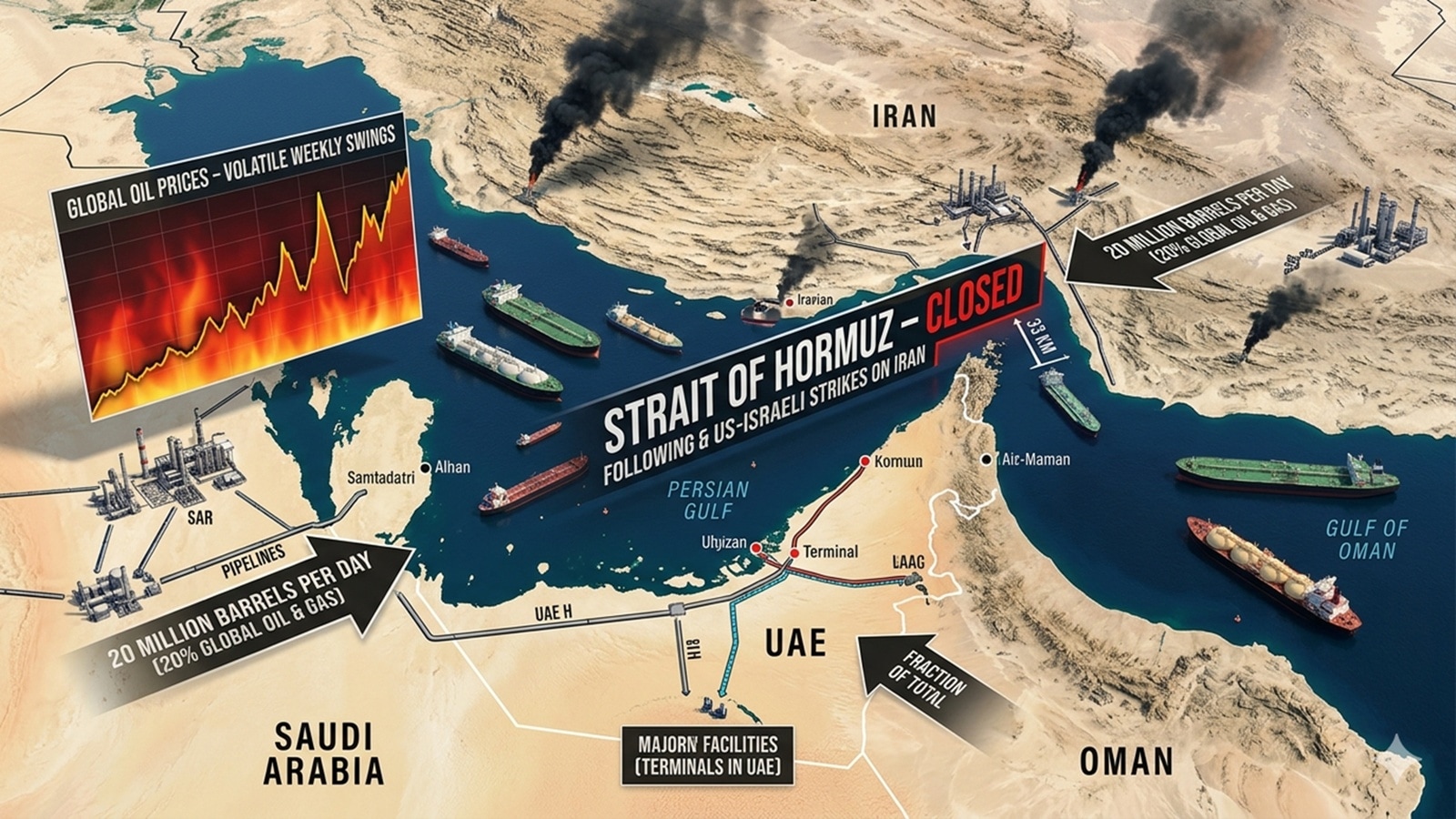
In 2019, tensions between the U.S. and Iran—including the downing of a U.S. drone and attacks on oil tankers—sent Brent prices to $75 per barrel. This year, a series of Houthi drone strikes on Red Sea shipping lanes further amplified risks, forcing carriers to reroute cargoes around Africa, adding $3–5 per barrel to freight costs. The current easing follows a U.S.-backed ceasefire in Yemen, though analysts warn that militia groups in Iran could still escalate.
What’s different this time? Unlike past crises, traders are now balancing Hormuz risks against a surplus of floating storage. As of last week, global oil inventories sat at 120 million barrels above the five-year average, according to S&P Global Platts. “The market is saturated,” said a trader at a Singapore-based firm. “Even if Hormuz stays open, prices won’t rebound unless demand picks up—or someone starts drawing down stocks.”
Who wins and who loses in this market shift?
The price swing is creating clear winners and losers across asset classes. Here’s how key sectors are reacting:
- Energy stocks: Up 2–4% as traders bet on stabilized supply chains. Chevron and Shell saw the biggest gains, while Saudi Aramco’s shares rose despite its recent output cuts.
- Shipping and logistics: Freight rates for Middle East–Asia routes dropped 15% overnight, easing pressure on carriers like Maersk and COSCO.
- Inflation-sensitive assets: Gold and U.S. Treasury yields dipped slightly, as traders scaled back bets on a Federal Reserve rate hike.
- Renewable energy: Solar and wind stocks held steady, with analysts noting that while oil prices fell, long-term energy transition bets remain intact.
On the losing side, hedge funds that bet on further Hormuz disruptions are facing losses, while OPEC+ members—particularly Russia and Iraq—may see reduced leverage in price negotiations if the market stays oversupplied. “This is a reminder that geopolitical risks are just one piece of the puzzle,” said a London-based energy economist. “The real driver now is storage.”
What happens next? Three scenarios traders are watching
With the Strait of Hormuz temporarily stabilized, markets are now focusing on three potential catalysts:
- OPEC+ production decisions: The cartel’s next meeting in October will be critical. If members hold output steady, prices could drift lower. But if they announce cuts—amid weak Chinese demand—Brent could test $70.
- U.S. shale output: Rig counts in Texas are rising, with EIA data showing a 5% increase in drilling permits this month. Higher U.S. supply could offset any Hormuz-related shortages.
- Militia activity in Yemen: While the ceasefire holds, Houthi rebels have vowed to resume attacks if U.S. strikes continue. A single incident could send prices spiking again.
For now, traders are adopting a wait-and-see approach. “The market’s overreacted to both the risks and the relief,” said a New York-based commodities trader. “The real test will be whether this drop sticks—or if the next geopolitical spark ignites another fire.”
