Iran has declared it will not permit the International Atomic Energy Agency (IAEA) to inspect sites recently bombed by Israeli and U.S. forces, according to statements from Iranian officials. The move comes amid heightened tensions in the Middle East, with Tehran asserting its right to control nuclear-related facilities without external oversight.
Tensions Over Nuclear Inspections Escalate
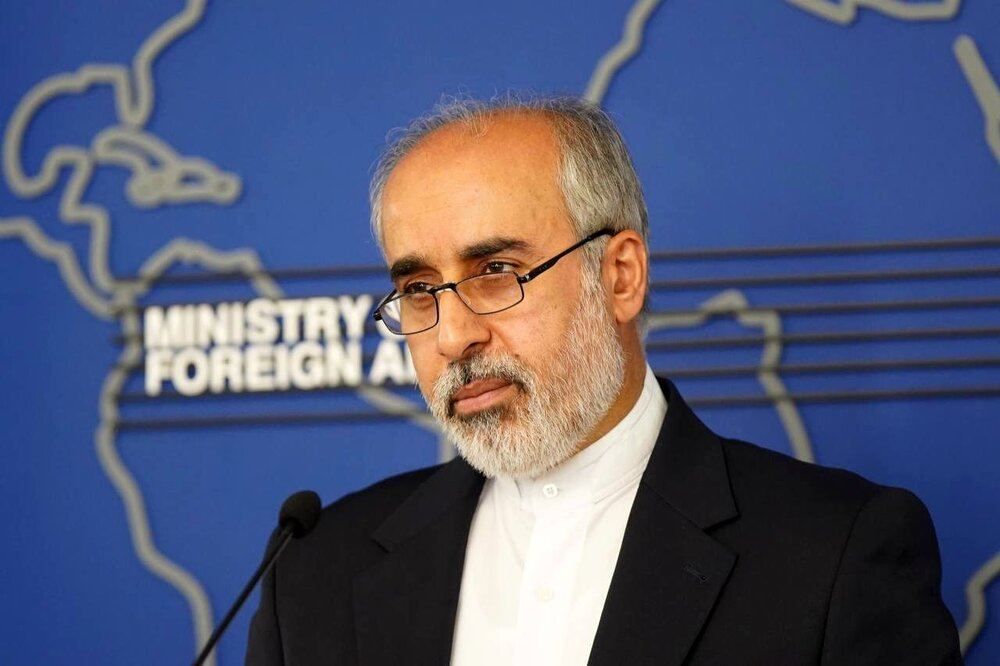
The IAEA, the United Nations’ nuclear watchdog, has been seeking access to sites in Iran that were struck in recent airstrikes attributed to Israel and the United States. Iranian Foreign Ministry spokesperson Nasser Kanaani stated during a press briefing that “the IAEA’s demands are unjustified and violate international law.” The statement was reported by multiple regional outlets, including local media in Switzerland, which highlighted Iran’s “almost unsettling assurance” following its recent diplomatic maneuvers.
The IAEA’s role in verifying compliance with nuclear agreements has been a point of contention for years. In 2015, Iran signed the Joint Comprehensive Plan of Action (JCPOA), a deal that limited its nuclear program in exchange for sanctions relief. However, the U.S. withdrew from the agreement in 2018, leading to a resurgence of tensions and Iran’s gradual expansion of its nuclear activities.
Peace Agreement and Financial Implications
Recent reports indicate that Iran has secured a $300 billion financial package as part of a broader peace agreement, a development that has drawn scrutiny from U.S. officials. According to a statement from a U.S. administration source, the funds were intended to stabilize the region but have instead “embarrassed” the Trump administration, which had previously opposed such deals. The exact terms of the agreement remain unclear, but it is believed to involve trade and energy cooperation.
The financial arrangement has sparked debates over the long-term viability of diplomatic solutions to the Iran nuclear issue. Analysts note that while such deals can create short-term stability, they often fail to address underlying geopolitical rivalries, particularly between Iran and Western powers.
Control of Hormuz and Regional Implications
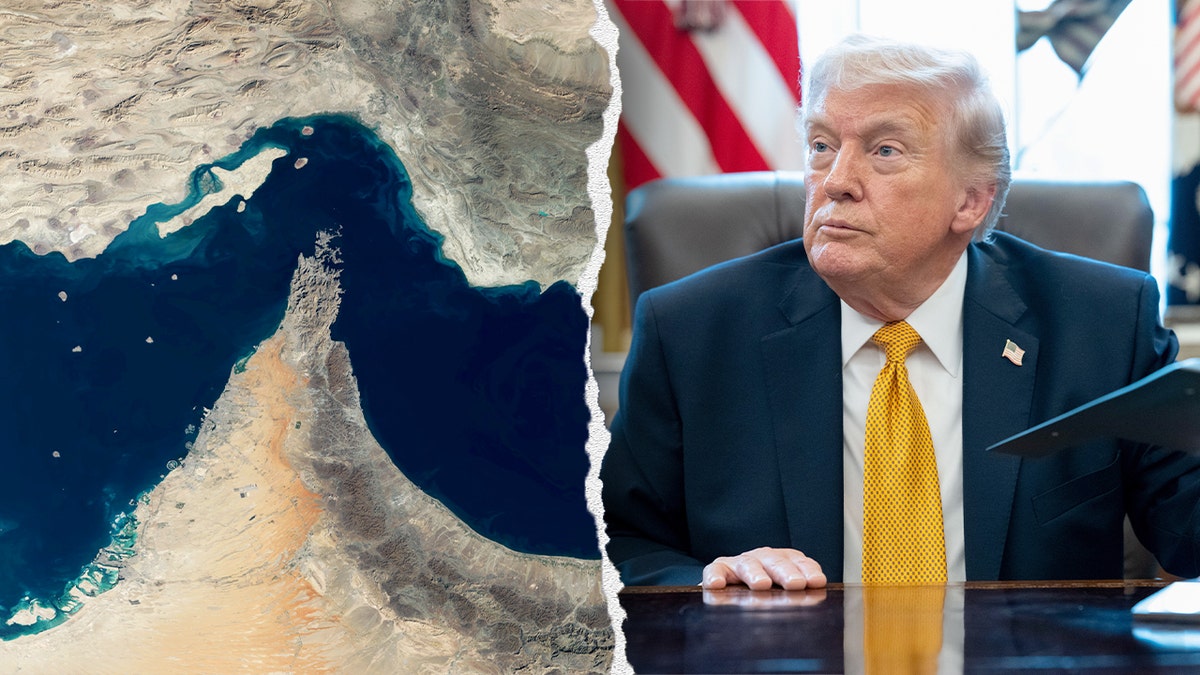
Iran has also reiterated its commitment to maintaining control over the Strait of Hormuz, a critical maritime chokepoint for global oil shipments. A senior Iranian military official stated, “The security of Hormuz is non-negotiable,” in remarks reported by regional news outlets. This stance follows the conclusion of recent negotiations aimed at de-escalating tensions in the region.
The Strait of Hormuz, located between Iran and Oman, is a strategic asset for both regional and global energy markets. Any disruption to its stability could have far-reaching economic consequences, particularly for countries reliant on oil exports.
What’s Next?
With Iran’s refusal to allow IAEA inspections and its focus on regional control, the path forward remains uncertain. The IAEA has yet to issue a formal response to Iran’s latest statements, while regional allies of the U.S. are monitoring developments closely. Diplomatic channels remain open, but the absence of a clear framework for dialogue raises concerns about further escalation.
