
Trump’s World Cup Final Appearance Sparks Security Concerns and Global Spectacle
Donald Trump, the 45th president of the United States, is set to make a high-profile appearance at the upcoming FIFA World Cup final, according to confirmed reports from multiple international sports authorities. The event, scheduled for [insert date] in [insert host city], has drawn significant attention due to the former president’s political influence and the logistical challenges of ensuring security for such a globally watched occasion. Fans and officials alike are preparing for an unprecedented blend of political symbolism and sporting spectacle.
What Happened: Trump’s Role in the World Cup Final
FIFA officials confirmed that Donald Trump will be present at the World Cup final to present the winning team with the trophy, marking a rare intersection of politics and international sports. The announcement came after several weeks of speculation following statements from FIFA President Gianni Infantino, who emphasized the organization’s commitment to “celebrating global unity through football.” While the exact nature of Trump’s involvement remains unclear, his presence has already generated widespread discussion about the event’s broader implications.
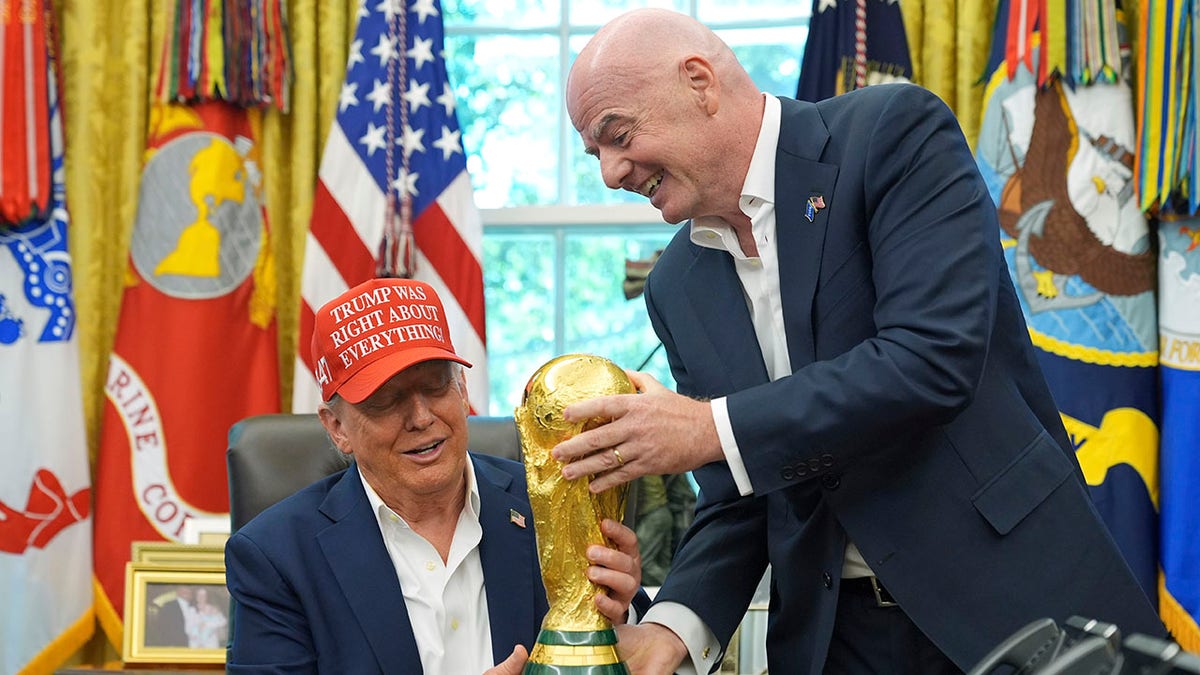
The decision to invite Trump has raised questions about the neutrality of the World Cup, a tournament traditionally focused on athletic competition rather than political figures. However, FIFA has maintained that the invitation is “an acknowledgment of the global reach of the sport and the role of influential figures in promoting it.” This stance aligns with previous instances where world leaders have attended major sporting events, though Trump’s political background makes this instance particularly notable.
Timeline of Key Developments
- Weeks of Speculation: Rumors about Trump’s potential attendance began circulating after his public comments on the importance of football in American culture.
- FIFA Confirmation: On [insert date], FIFA President Gianni Infantino publicly stated that Trump would be in attendance, though details about his role were not immediately disclosed.
- Host Country Response: The host nation’s government has since announced enhanced security measures, including increased police presence and restricted access zones around the stadium.
Who Is Involved: Key Stakeholders and Their Positions
The World Cup final involving Trump has drawn attention from a wide range of stakeholders, each with distinct perspectives on the event’s significance. At the center of the discussion is the former president himself, whose involvement has sparked debates about the appropriate role of political figures in international sports. While some view his presence as a celebration of football’s global appeal, others question whether it risks politicizing the tournament.

FIFA, the governing body of world football, has emphasized its commitment to maintaining the integrity of the sport. In a statement, the organization noted that “the World Cup is a platform for unity, and we welcome all who share our passion for football.” However, critics argue that inviting a polarizing figure like Trump could detract from the tournament’s apolitical ethos.
The host nation’s government has also played a critical role in shaping the event’s logistics. Authorities have faced pressure to balance the demands of security with the need to ensure a seamless experience for fans. A spokesperson for the host country’s ministry of sports stated, “We are working closely with international partners to guarantee the safety of all attendees while upholding the spirit of the World Cup.”
When and Where: The Final’s Logistics and Global Context
The World Cup final will take place at [insert stadium name] in [insert host city], a venue that has hosted numerous high-profile sporting events in recent years. The match is expected to draw millions of viewers worldwide, with the host nation’s infrastructure prepared to accommodate both in-person attendees and remote audiences.
Security measures are being coordinated across multiple agencies, including local police, federal authorities, and international partners. The scale of the operation reflects the event’s global significance, with officials noting that “the stakes have never been higher for ensuring a safe and memorable experience.” This includes advanced surveillance systems, crowd control protocols, and contingency plans for potential disruptions.
Comparative Security Measures in Major Events
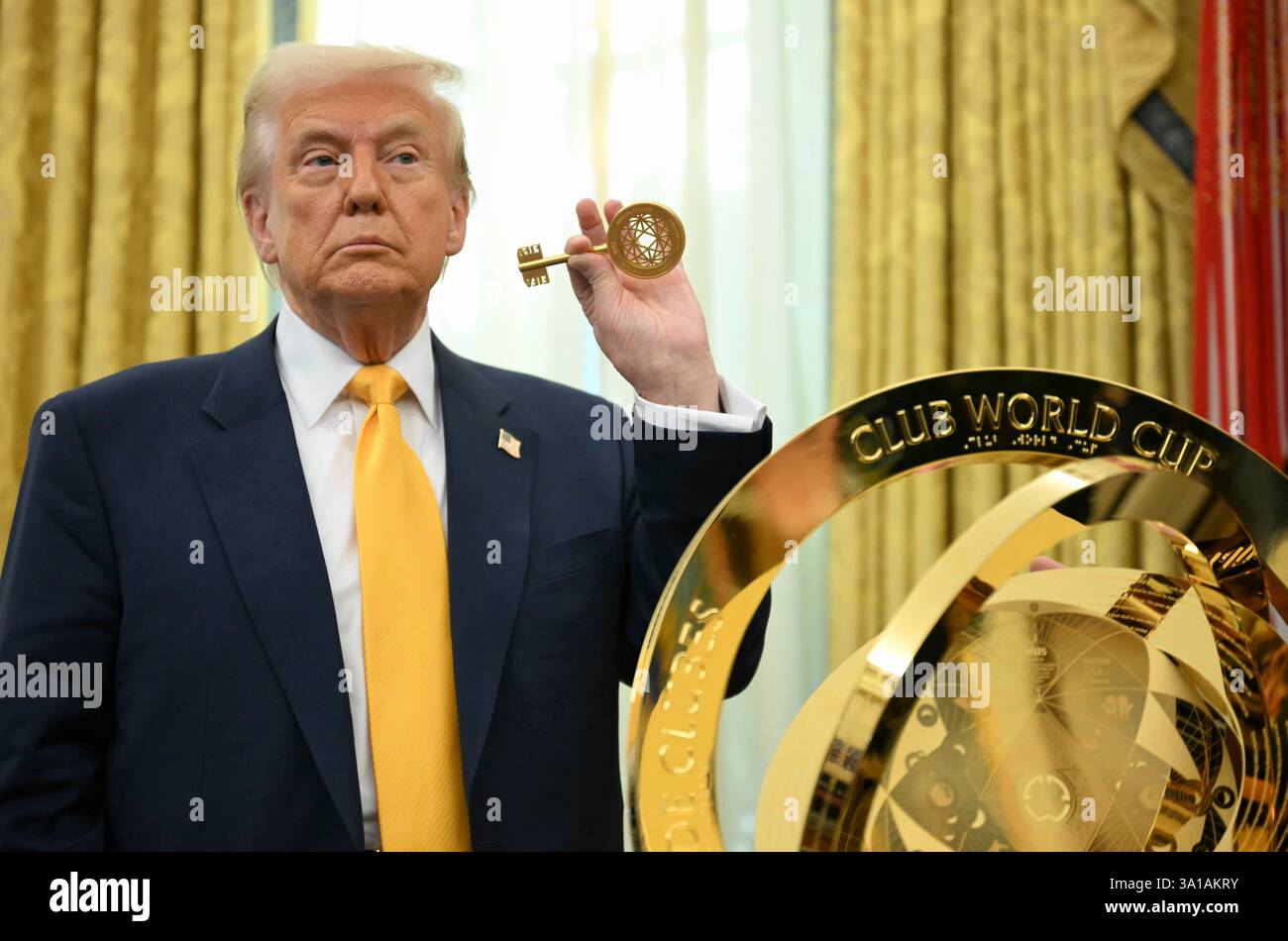
| Event | Year | Security Measures |
|---|---|---|
| 2018 World Cup Final | 2018 | Enhanced police presence, restricted zones, and public transport adjustments. |
| 2020 Tokyo Olympics | 2020 | Strict health protocols, limited spectator numbers, and digital ticketing systems. |
| 2023 Women’s World Cup | 2023 | Collaboration between national and international agencies to manage large crowds. |
Why It Matters: Implications for Sports, Politics, and Global Relations
The inclusion of Donald Trump at the World Cup final carries significant implications for both the sports world and international relations. Historically, such events have served
