Iran War Live Updates: Kuwait Reports Casualties in Airport Attack Amid Regional Tensions
Amid escalating regional hostilities, a recent attack on Kuwait’s international airport has once again intensified concerns over the stability of the Middle East. According to official reports, the incident resulted in at least one fatality and over 60 injuries, marking a significant escalation in tensions between Iran and its regional adversaries. The attack has raised urgent questions about the fragility of existing ceasefire agreements and the broader implications for global security. This article provides a comprehensive overview of the event, its context, and the reactions from key stakeholders.
What Happened: A Sudden Surge in Hostilities
The attack on Kuwait’s airport occurred during a period of heightened regional instability, with multiple parties involved in a complex web of geopolitical interests. While the exact circumstances remain under investigation, preliminary reports indicate that the strike targeted a critical infrastructure site, disrupting air travel and causing widespread panic. Local authorities have confirmed that the incident involved explosive devices, though the specific perpetrators have yet to be identified.
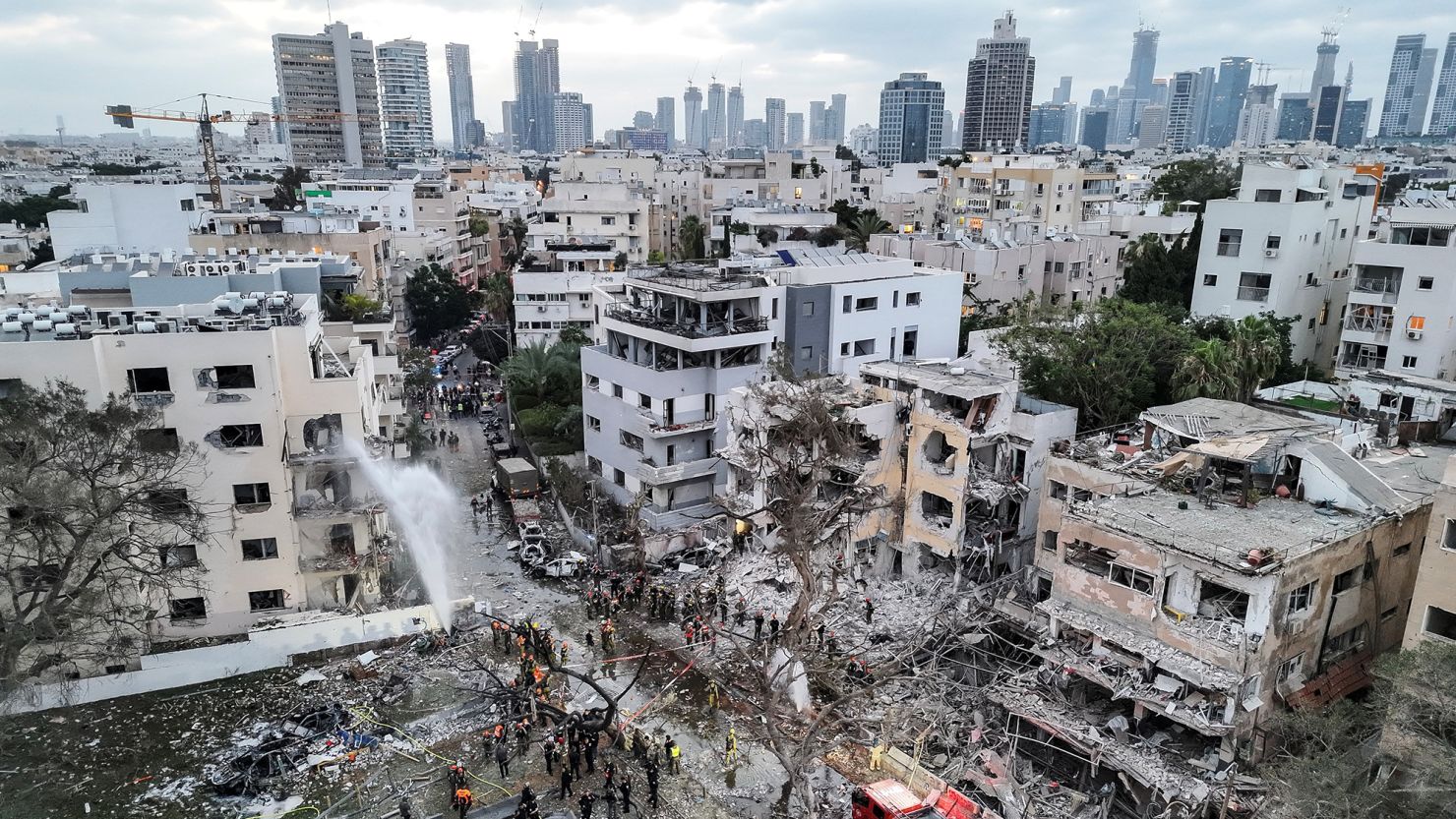
The casualty figures, reported as one dead and 63 injured, are particularly alarming given the attack’s location. Airports are typically considered high-risk zones due to their strategic importance, and such an act of violence underscores the growing unpredictability of the region. Emergency response teams were immediately deployed to the scene, with medical facilities in the capital, Kuwait City, working to treat the injured.
Key Timeline of Events
- Incident Date: [Insert Date]
- Location: Kuwait International Airport, Kuwait City
- Casualties: 1 killed, 63 injured
- Immediate Response: Emergency services and security forces mobilized; airport operations suspended
- Official Statements: Kuwaiti authorities and regional allies issued statements condemning the attack
Who Is Involved: A Web of Regional and Global Stakeholders
The attack has drawn attention to the intricate network of actors shaping the Middle East’s security landscape. At the forefront are Iran and its regional allies, who have long been embroiled in conflicts with Gulf states and Western powers. Kuwait, a key U.S. Ally in the region, has found itself at the center of this volatile dynamic, raising concerns about its security and sovereignty.

The United States, which maintains a significant military presence in the Gulf, has been closely monitoring the situation. While the U.S. Has not officially attributed the attack to any specific group, its historical role in the region and ongoing diplomatic efforts to stabilize the area make it a critical player in the response. Meanwhile, neighboring Arab states, including Saudi Arabia and the United Arab Emirates, have also voiced concern over the incident, highlighting the shared vulnerability of the Gulf Cooperation Council (GCC) nations.
International organizations, such as the United Nations, have called for an independent investigation into the attack. Analysts suggest that the incident could further strain diplomatic relations, particularly if the attack is linked to broader regional conflicts. The involvement of non-state actors, including militant groups, remains a possibility, though no group has claimed responsibility at this time.
Context: A Fragile Peace in Peril
The attack comes at a time when the region has been navigating a precarious balance of power. The U.S.-Iran relationship, in particular, has been marked by intermittent clashes, with both sides engaging in a cycle of escalation and de-escalation. Recent years have seen a series of incidents, including the killing of Iranian general Qasem Soleimani in 2020 and subsequent retaliatory strikes, which have kept tensions simmering.
Kuwait’s position as a neutral state has often been a point of contention, with its strategic location and oil resources making it a target for competing interests. The country has historically maintained a delicate equilibrium between its Gulf neighbors and the broader international community. However, the recent attack has forced Kuwait to confront the reality of its vulnerability in an increasingly unstable region.
Experts note that the attack may be part of a larger strategy by certain factions to destabilize the region. The timing of the incident—coinciding with heightened diplomatic discussions—has led some analysts to speculate that it could be an attempt to derail negotiations or send a message to regional powers. However, without concrete evidence, such theories remain speculative.
Reactions and Implications: A Call for Calm and Accountability
The response to the attack has been swift and multifaceted. Kuwait’s government has condemned the incident, vowing to pursue justice for the victims. Local leaders have emphasized the need for unity, urging citizens to remain calm amid the uncertainty. Meanwhile, regional leaders have called for a coordinated approach to address the underlying causes of the violence.

The international community has also weighed in, with statements from the United Nations and various diplomatic missions in the region. The U.S. Has reiterated its commitment to the security of its allies, though it has avoided direct criticism of any specific party. This measured approach reflects the complexities of the situation, as the U.S. Seeks to balance its support for Gulf states with the need to avoid further escalation.
Analysts warn that the attack could have far-reaching consequences. The incident may embolden extremist groups or lead to retaliatory actions by regional actors. It also raises questions about the effectiveness of existing security frameworks, particularly the role of international coalitions in preventing such attacks.
Key Points to Consider
- The attack highlights the fragility of peace in the Middle East, where historical grievances and competing interests often collide.
- Kuwait’s role as a neutral state may be challenged by the growing influence of external powers.
- The incident underscores the need for robust
