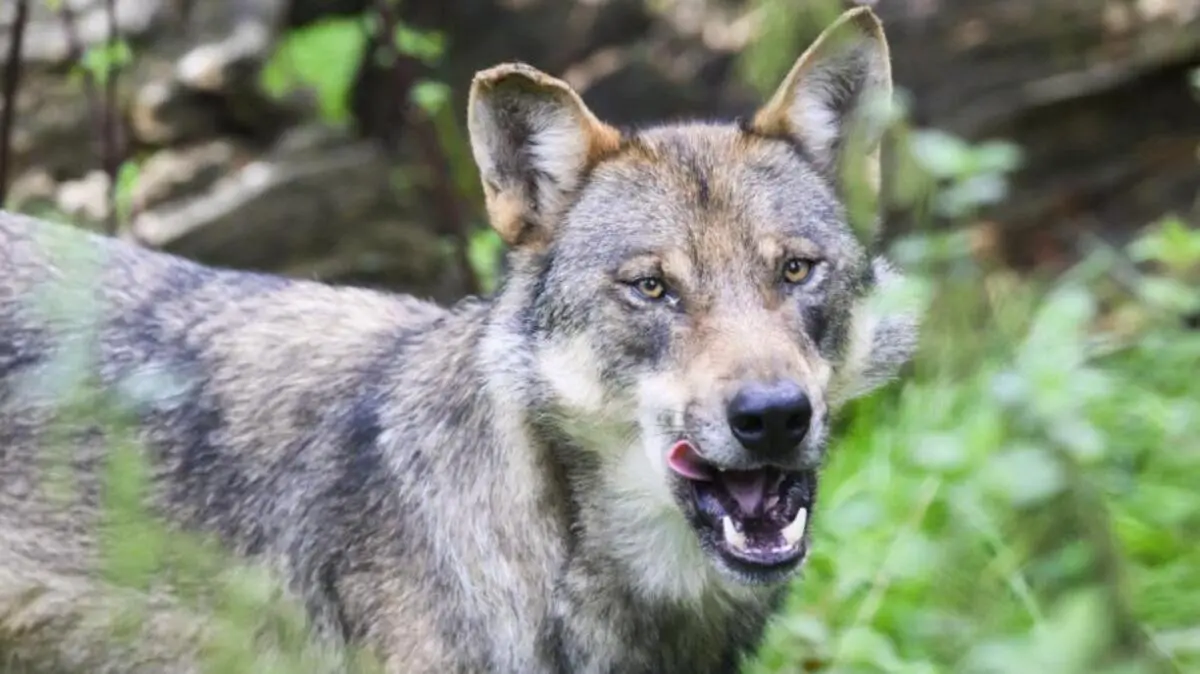
In a series of recent incidents across Austria’s Tyrol region, local authorities have authorized the culling of wolves following multiple attacks on livestock, sparking a broader debate about wildlife management and rural livelihoods. The decisions, reported by regional outlets, highlight the ongoing tension between conservation efforts and the practical challenges faced by farmers.
A Controversial Decision
The latest authorization came after five sheep were found dead in Osttirol, prompting officials to classify the wolf as a “risk animal” under local regulations. Similar actions were taken in Lienz and Tristach, where additional sheep losses led to emergency culling orders. While the exact number of wolves involved remains unclear, the repeated incidents have intensified pressure on authorities to address the growing wolf population in the area.

According to local media reports, the decision to cull the animals follows a pattern of escalating conflicts between wildlife and agricultural communities. Conservationists have long warned that expanding wolf territories, driven by habitat recovery and reduced human encroachment, are placing increasing strain on rural economies. Farmers, meanwhile, argue that the lack of effective protective measures leaves their livelihoods vulnerable.
Balancing Nature and Livelihoods
The situation reflects a broader cultural and political challenge in Austria, where efforts to protect apex predators like wolves often collide with the needs of agrarian communities. While wolves are a symbol of ecological resilience, their return to regions like Tyrol has reignited age-old disputes over land use and wildlife policy. The recent culls underscore the precarious balance between preservation and practicality, with no clear resolution in sight.
Regional officials have emphasized that culling is a last resort, reserved for animals deemed a direct threat to livestock. However, critics argue that such measures risk undermining long-term conservation goals. “This isn’t just about protecting sheep,” said a spokesperson for a local environmental group. “It’s about ensuring coexistence in a landscape that’s changing rapidly.”
What’s Next?
As the affected communities grapple with the aftermath of the culls, further discussions are expected about the implementation of preventive measures, such as stronger fencing and compensation programs for farmers. The outcome of these debates could set a precedent for how similar conflicts are managed across Europe’s rural regions in the years to come.
