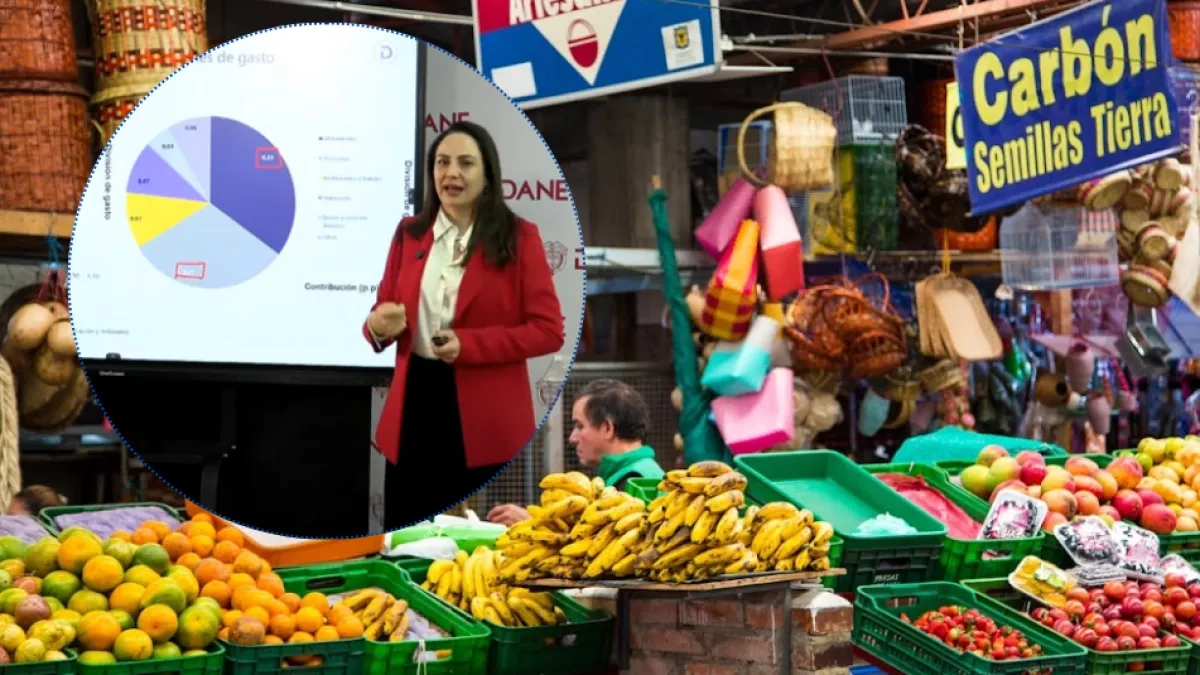
The annual inflation rate in Colombia accelerated to 5.84% in May, marking the highest level in nearly two years and intensifying pressure on the central bank to implement tighter monetary policies, according to reports from local media outlets including ELTIEMPO.com and El Espectador.
Key Points
- Colombia’s annual inflation rose to 5.84% in May, the highest since 2024.
- The increase follows a three-month streak of rising prices, driven in part by a minimum wage adjustment.
- The Banco de la República faces growing calls to raise interest rates to curb inflationary pressures.
- The surge underscores challenges for households and businesses amid rising costs.
The inflation surge, reported by multiple local outlets, reflects a broader economic challenge as Colombia grapples with persistent price pressures. The 5.84% figure, the highest in 22 months, comes after three consecutive months of rising inflation, according to data from the National Administrative Department of Statistics (Dane). The central bank, Banco de la República, has yet to issue an official statement on potential rate adjustments, but analysts suggest that further monetary tightening may be necessary to stabilize prices.

The acceleration in inflation follows a recent increase in the minimum wage, which Fedelonjas, a Colombian business association, cited as a contributing factor. Higher labor costs for companies have translated into higher production and service expenses, which are often passed on to consumers. This dynamic has exacerbated inflationary trends, particularly in sectors reliant on low-cost labor.
For households, the rising cost of living poses immediate challenges. With inflation outpacing wage growth in many sectors, consumers face reduced purchasing power, prompting concerns about economic stability. Businesses, meanwhile, face the dual pressure of higher input costs and constrained demand, creating a complex environment for economic planning.
The central bank’s next move will be closely watched. While no formal announcement has been made, the inflation data strengthens the case for a rate hike, which could dampen borrowing and investment activity. However, such a step risks slowing economic growth if not balanced carefully.
The situation highlights the delicate balancing act facing policymakers as they navigate inflationary pressures while supporting economic resilience. With the minimum wage adjustment and global supply chain factors continuing to influence prices, the path forward remains uncertain.
