
Is Upgraded Guidance And New Brass Foundry Margin Gains Altering The Investment Case For Mueller Water Products (MWA)?
Mueller Water Products (MWA) reported a Q1 2026 earnings per share (EPS) beat of approximately 6.5%, driven by strong operational performance and margin gains from a new brass foundry. Despite this beat and upgraded guidance, the stock experienced a decline, suggesting a complex disconnect between fundamental operational success and immediate market valuation.
The Q1 2026 Earnings Paradox: Why MWA Slid Despite an EPS Beat
In the world of equity trading, a “beat” on earnings usually triggers a rally. However, Mueller Water Products (MWA) recently presented a counterintuitive scenario. According to reports from The Legal Advocate, the company’s Q1 2026 earnings per share (EPS) surpassed estimates by 6.5% (with some analyses citing a more precise 6.47% beat). While these figures indicate that the company is generating more profit per share than analysts expected, the stock price moved in the opposite direction.
This phenomenon often occurs when the market has already “priced in” the positive news. If investors anticipated a strong quarter due to known operational improvements, the actual announcement of a 6.5% beat may not have been surprising enough to drive the price higher. In some cases, this leads to a “buy the rumor, sell the news” event, where traders take profits immediately following the official confirmation of good news.
The core of the current debate, as highlighted by Yahoo Finance, is whether the underlying drivers of this beat—specifically upgraded guidance and gains from a new brass foundry—are enough to fundamentally alter the long-term investment case for MWA.
| Metric | Reported Outcome | Market Reaction |
|---|---|---|
| EPS vs. Estimates | Beat by 6.47% – 6.5% | Stock Slide |
| Operational Performance | Strong / Surpassed Expectations | Neutral to Negative |
| Guidance | Upgraded | Insufficient to offset slide |
Understanding the Impact of New Brass Foundry Margin Gains
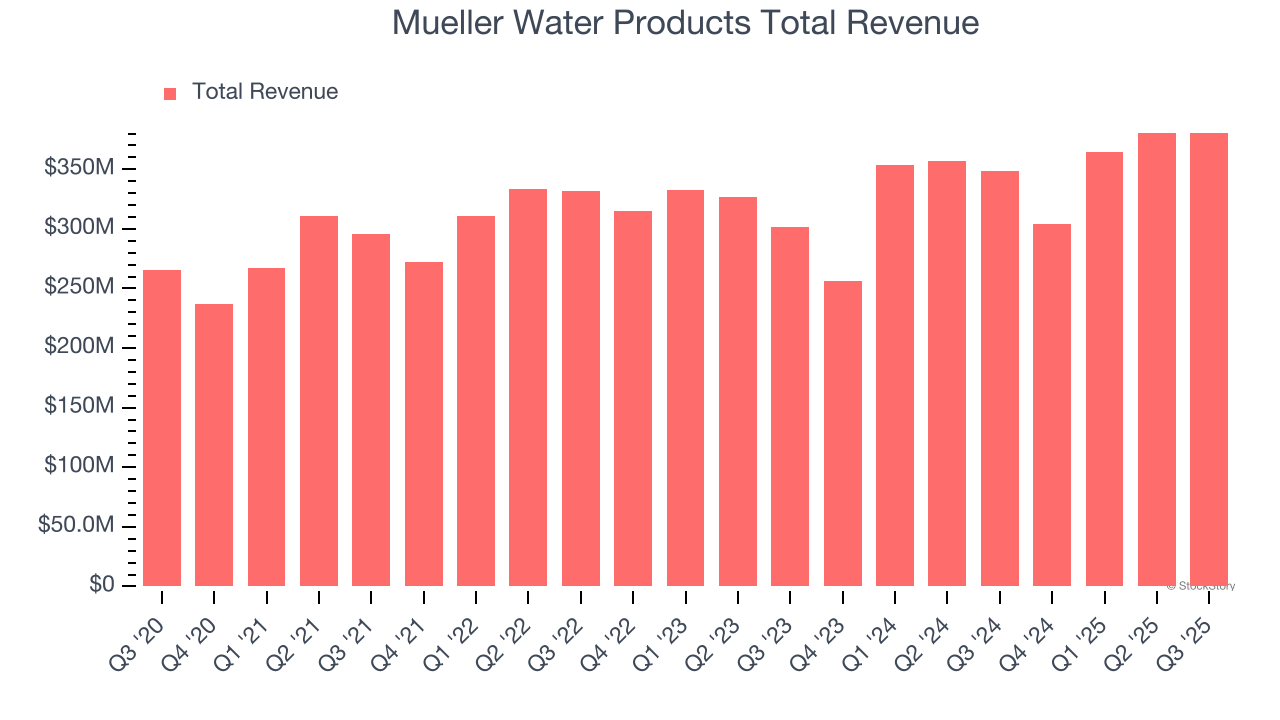
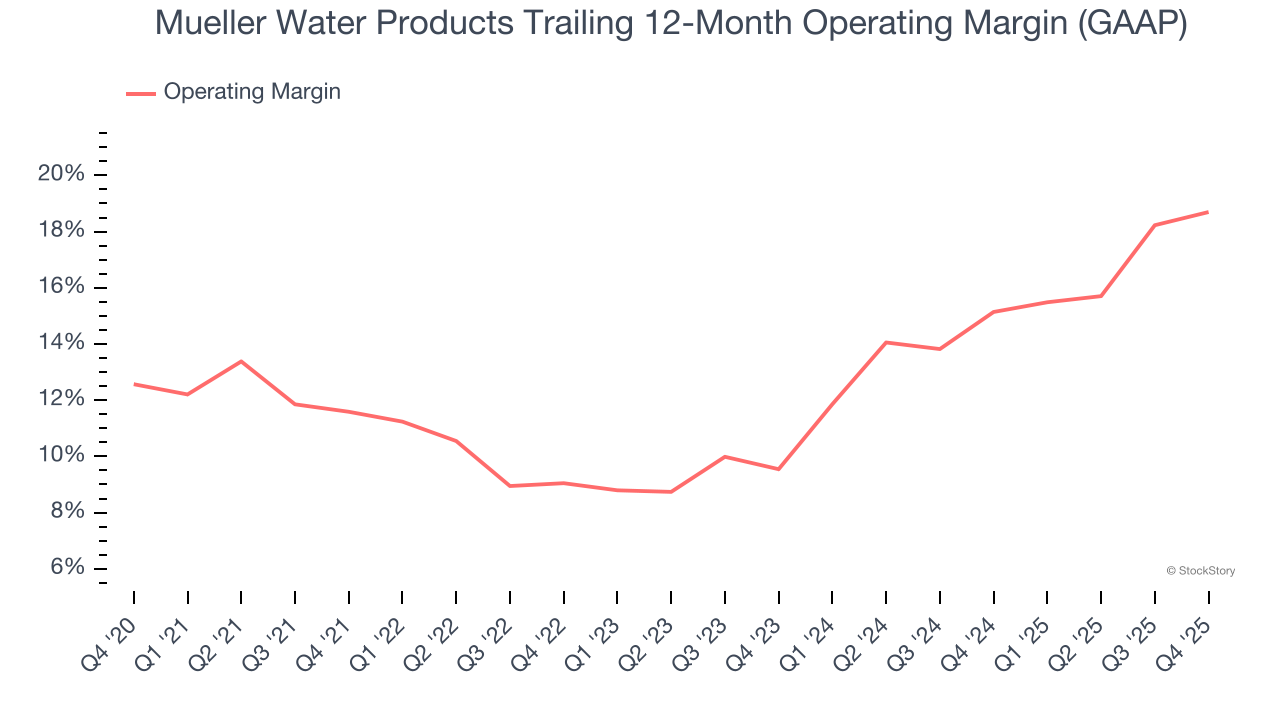
A significant portion of MWA’s recent operational success is attributed to margin gains stemming from a new brass foundry. In the water infrastructure industry, the cost of raw materials and the efficiency of casting processes are primary drivers of profitability. By bringing foundry capabilities in-house or upgrading to more efficient technology, a company can reduce its reliance on third-party suppliers and lower the unit cost of its products.
Margin gains in a foundry context typically come from three areas:
- Reduced Waste: Modern foundries utilize better precision casting, which reduces the amount of scrap metal and rework required.
- Energy Efficiency: New facilities often employ more efficient melting and pouring processes, lowering the overhead cost per part.
- Supply Chain Control: By controlling the foundry process, MWA can better manage lead times and avoid the price premiums often charged by external vendors during periods of high demand.
For investors, these margin gains are more than just a one-time boost to the Q1 numbers; they represent a structural improvement in the company’s cost basis. When a company improves its margins through operational efficiency rather than just raising prices, it creates a more sustainable path to earnings growth.
How Upgraded Guidance Interacts with Investor Sentiment
Alongside the earnings beat, Mueller Water Products provided upgraded guidance for the remainder of the period. Guidance is a forward-looking statement provided by company management regarding expected future revenue and earnings. An upgrade typically signals that management sees stronger demand or better cost control than previously forecasted.
However, the fact that the stock slid despite this upgrade suggests a shift in the analyst consensus. According to The Legal Advocate, there has been a notable shift in how analysts are viewing the company’s trajectory. When guidance is upgraded, but the stock fails to react positively, it often indicates that the “bar” for success has been raised. Investors are no longer asking if the company can beat its old targets, but whether it can sustain a new, higher level of growth.
“MWA Q1 2026 Earnings: EPS Surpasses Estimates by 6.5% Amid Strong Operational Performance – Analyst Consensus Shift” — The Legal Advocate
This shift in consensus means that the market is now scrutinizing the quality of the earnings. Investors are likely weighing the benefits of the brass foundry gains against broader macroeconomic headwinds, such as interest rate fluctuations or changes in municipal spending on water infrastructure.
Analyzing the Shift in Analyst Consensus
The “Analyst Consensus Shift” mentioned in recent reports is a critical component of the MWA investment case. Market analysts typically build models based on several assumptions: revenue growth, operating margins, and capital expenditure. When a company consistently beats estimates and raises guidance, analysts must adjust these models.
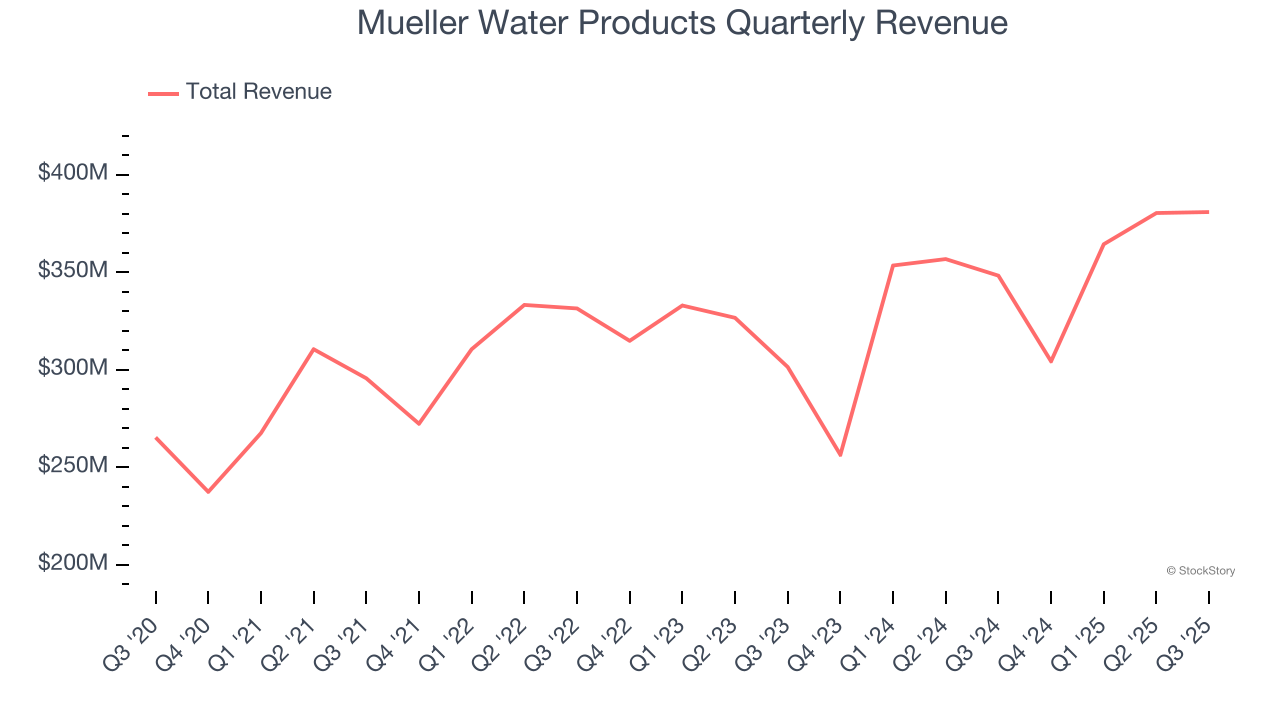
The current shift likely involves a transition from viewing MWA as a steady, predictable utility-adjacent stock to viewing it as a company undergoing an operational transformation. The risks associated with this transition include:
- Execution Risk: Can the new foundry maintain its efficiency levels at full scale?
- Demand Sustainability: Is the strong operational performance a result of a temporary backlog or a permanent increase in water infrastructure spending?
- Valuation Compression: As earnings rise, the Price-to-Earnings (P/E) ratio may compress if the market decides the growth is not exponential but merely incremental.
For those tracking the stock, the key is to determine if the market is punishing MWA for a lack of “hyper-growth” or if there are deeper concerns regarding the sustainability of the current margin gains.
Is the Investment Case for Mueller Water Products Altered?
The central question posed by Yahoo Finance is whether these developments alter the investment case. To answer this, one must distinguish between short-term price action and long-term value creation.
The Bull Case: The investment case is strengthened. The 6.5% EPS beat and the upgraded guidance prove that management can execute on operational goals. The new brass foundry provides a structural advantage that competitors may lack, creating a “moat” of cost-efficiency that should protect margins even if raw material prices fluctuate. From this perspective, the stock slide is a buying opportunity created by short-term volatility.
The Bear Case: The investment case is stagnant. The market’s refusal to reward an EPS beat and upgraded guidance suggests that the “easy wins” have already been achieved. If the brass foundry gains are the primary driver of the beat, investors may worry that there are few remaining catalysts left to drive the stock price higher in the coming quarters.
Ultimately, the operational data is positive. A company that beats estimates by 6.5% and raises its own outlook is generally in a position of strength. The disconnect lies in the valuation—the gap between what the company is earning and what investors are willing to pay for those earnings.
Key Factors Influencing the MWA Valuation
- Infrastructure Legislation: Federal and state funding for water system repairs directly impacts MWA’s order book.
- Material Costs: The price of brass and other alloys can eat into the gains provided by the new foundry.
- Operational Leverage: The ability to increase revenue faster than expenses, a goal directly supported by the new foundry’s efficiency.
For a deeper dive into how industrial companies manage these transitions, readers may find a related explainer on industrial margin expansion useful.
Common Misconceptions Regarding Earnings Beats
A common mistake among retail investors is believing that any “beat” on EPS must lead to a stock price increase. This is not how professional markets operate. The market trades on expectations, not just results.
If the consensus estimate for EPS was $1.00, but the “whisper number” (the unofficial expectation among top traders) was $1.07, then a reported EPS of $1.06—while technically a beat of the official estimate—is actually a “miss” relative to the whisper number. This often explains why MWA could surpass estimates by 6.5% and still see its stock slide.
Another misconception is that upgraded guidance is always a positive signal. If a company upgrades its guidance but does so by a smaller margin than the market expected, it can be perceived as a sign of slowing momentum. In the case of Mueller Water Products, the market is likely weighing the specific nature of the brass foundry gains to see if they are scalable or limited to a specific product line.
Frequently Asked Questions
Why did Mueller Water Products (MWA) stock slide after beating EPS estimates?
Despite beating EPS estimates by approximately 6.5%, the stock likely slid because the positive results were already priced into the share price, or the beat did not meet the “whisper numbers” expected by institutional investors. Additionally, a shift in analyst consensus may have changed the valuation multiples applied to the stock.
What are “brass foundry margin gains” and why do they matter?
Brass foundry margin gains refer to the increase in profitability resulting from more efficient production of brass components. This is achieved through better technology, reduced waste, and lower energy costs in the casting process. These gains are important because they lower the cost of goods sold (COGS), directly increasing the net profit margin.
How much did MWA beat its Q1 2026 EPS estimates by?
According to reports from The Legal Advocate, Mueller Water Products beat its Q1 2026 EPS estimates by 6.5%, with some specific analyses noting a beat of 6.47%.
What is the significance of the “Analyst Consensus Shift” for MWA?
A shift in analyst consensus indicates that the professional community is changing its expectations for the company’s future growth and risk profile. For MWA, this involves weighing the strong operational performance and upgraded guidance against the sustainability of its current margin improvements.
Does upgraded guidance always lead to a higher stock price?
No. Upgraded guidance only leads to a higher stock price if the upgrade exceeds the market’s current expectations. If the market had already anticipated an upgrade, the news may have little effect or even lead to a price drop if investors decide to “sell the news.”
Investors monitoring the water infrastructure sector should keep a close eye on MWA’s ability to translate these foundry efficiencies into long-term dividend growth or share buybacks, as these will be the ultimate indicators of whether the investment case has truly been altered for the better.
