
Bishop Osorio Citora Afonso, a 54-year-old Catholic leader, was shot and killed at his residence in Quelimane, central Mozambique, on Saturday, June 6, 2026. Mozambican authorities have classified the incident as a firearm homicide, while the Mozambican Episcopal Conference described the death as occurring under “mysterious circumstances.”
- Victim: Bishop Osorio Citora Afonso (54)
- Location: Quelimane, Mozambique
- Date of Incident: June 6, 2026
- Cause of Death: Single gunshot wound to the chest
- Key Official: President Daniel Chapo
The Circumstances of the Attack
The shooting occurred at the Bishop’s home in Quelimane. According to Maximino Amilcar, a spokesperson for the criminal investigation bureau, the victim was shot in the chest, likely by a single bullet. Speaking to reporters outside the residence, Amilcar confirmed the event was a “firearm homicide,” though he noted that providing further specific details was not yet possible.
The Mozambican Episcopal Conference echoed the gravity of the event, stating that Afonso was found lifeless in circumstances that remain unexplained and require further investigation.
Ecclesiastical Path and Papal Appointment
Born in Mozambique, Bishop Afonso had a diverse international ministry before his final assignment. He previously served in Italy and the Democratic Republic of Congo. His ascent within the Mozambican church began in 2023 when he was appointed as an auxiliary bishop in Maputo, and he was elevated to the rank of bishop a year later.
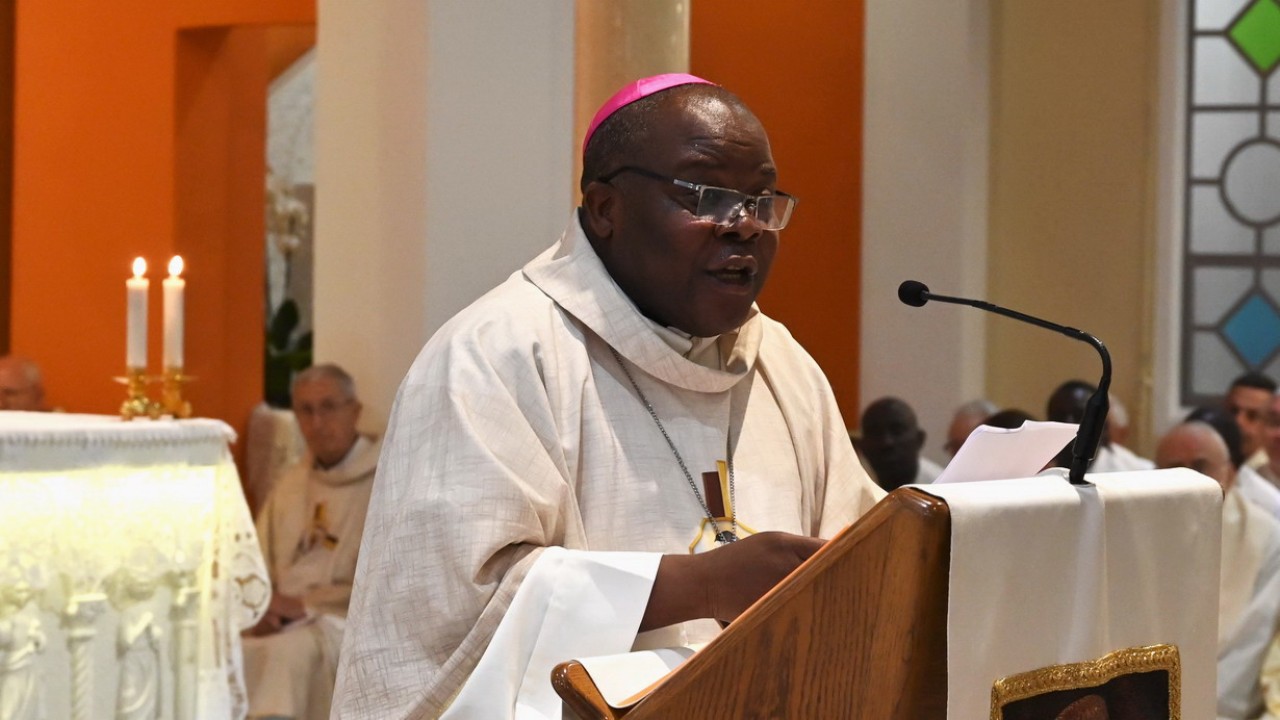
In July 2025, Pope Leo XIV reassigned Afonso to lead the Diocese of Quelimane in the central region of the country, where he served until his death.
National Reaction and Religious Context
The killing has prompted a response from the highest levels of the Mozambican government. President Daniel Chapo issued a formal statement expressing his grief over the tragedy.
The death of Bishop Afonso is an irreplaceable loss for the Mozambican people.
President Daniel Chapo
The event carries weight in a nation where the Catholic Church maintains a significant presence. Based on the most recent census conducted nearly a decade ago, approximately 25% of the population in the former Portuguese colony identifies as Catholic.
