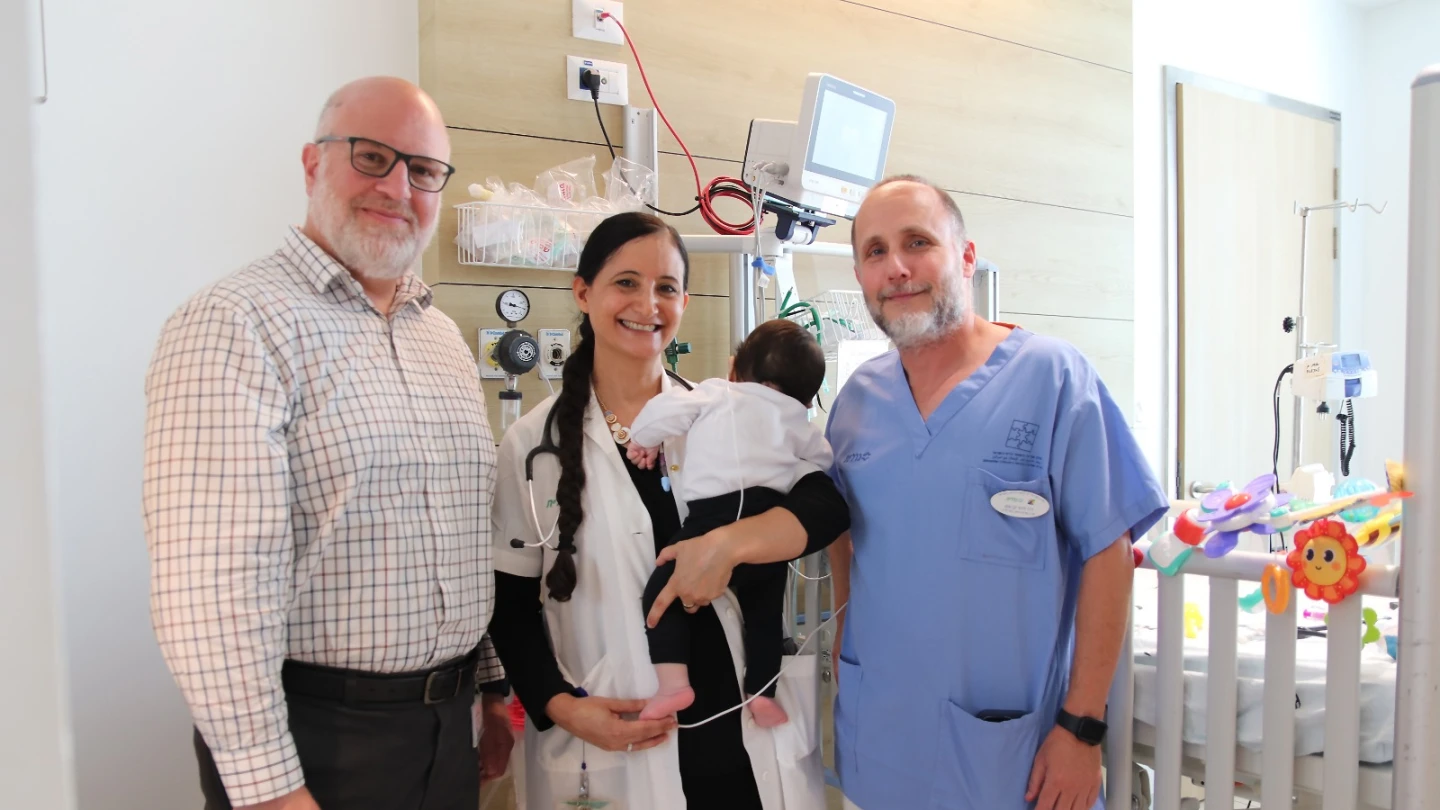
Israeli Infant Receives First Gene Therapy for Rare Genetic Epilepsy
An Israeli infant has received the world’s first gene therapy designed to treat a rare form of genetic epilepsy, according to reports from JNS.org and Medical Xpress. The medical procedure involved the direct delivery of a missing gene into the infant’s brain to address the underlying genetic cause of the seizures.
How was the gene therapy delivered to the infant’s brain?
According to Medical Xpress, the treatment utilized a specialized delivery system to transport a functional copy of a missing gene directly into the brain tissue of the patient. This method bypasses the blood-brain barrier, a restrictive biological membrane that often prevents systemic medications and large molecules from entering the central nervous system.
The procedure targets the specific cellular deficiency causing the epilepsy. In rare genetic epilepsies, a mutation or the total absence of a specific gene prevents the brain from producing a protein essential for maintaining electrical stability in neurons. By introducing the correct genetic sequence, clinicians aim to enable the brain to produce the missing protein, potentially reducing or eliminating the frequency of seizures.
Key technical aspects of the delivery include:
- Direct Administration: The therapy was delivered directly to the brain rather than through an intravenous drip.
- Gene Replacement: The goal is to provide the genetic instructions the infant was born without.
- Targeted Action: The therapy focuses on the specific neurological pathways affected by the rare genetic mutation.
Why is this a first-in-the-world medical milestone?
Reports from JNS.org indicate that this is the first time this specific gene therapy approach has been applied to treat a rare genetic epilepsy in a human patient. While gene therapies have seen success in treating spinal muscular atrophy (SMA) or certain types of inherited blindness, applying this technology to the complex electrical environment of the epileptic brain represents a new frontier in pediatric neurology.
The significance of this milestone lies in the shift from symptom management to curative intent. Most epilepsy treatments focus on suppressing the symptoms—the seizures themselves—without addressing why the seizures are occurring. This procedure attempts to fix the biological “blueprint” of the patient’s neurons.
The delivery of a missing gene directly to the brain marks a transition from treating the effects of genetic epilepsy to addressing its primary cause.
What causes rare genetic epilepsies and why are they difficult to treat?
Rare genetic epilepsies are typically caused by mutations in genes that control ion channels or neurotransmitter receptors in the brain. According to medical data on genetic disorders, when these genes are defective or missing, neurons can become hyper-excitable, leading to the uncontrolled electrical discharges known as seizures.
These conditions are notoriously difficult to treat for several reasons:
- Drug Resistance: Many infants with genetic epilepsies suffer from “refractory” epilepsy, meaning standard anti-epileptic drugs (AEDs) provide little to no relief.
- Developmental Impact: Frequent, severe seizures in infancy can lead to permanent cognitive impairment and developmental delays.
- Specificity: Because these epilepsies are caused by different rare mutations, a “one size fits all” medication rarely exists.
The approach reported by JNS.org addresses these challenges by creating a therapy tailored to the specific genetic deficit of the patient, rather than relying on broad-spectrum sedatives or anticonvulsants.
How does this differ from traditional epilepsy treatments?
Traditional epilepsy management focuses on pharmacological intervention to raise the seizure threshold. Gene therapy, as seen in this Israeli case, operates on a fundamentally different biological level.
The following table compares the standard of care for epilepsy with the gene therapy approach reported by Medical Xpress:
| Feature | Traditional Treatment (AEDs) | Gene Therapy Approach |
|---|---|---|
| Target | Electrical symptoms/seizure activity | Missing or mutated genetic sequence |
| Mechanism | Modulates neurotransmitters or ion channels | Introduces functional genetic material |
| Frequency | Daily lifelong medication | Potential for a single-dose treatment |
| Goal | Seizure control/reduction | Restoration of protein function |
| Delivery | Oral or intravenous | Direct brain administration |
While traditional medications must be taken consistently to maintain a therapeutic level in the bloodstream, gene therapy is designed to be a long-term or permanent modification of the patient’s own cellular machinery.
What are the potential long-term implications for pediatric neurology?
The successful administration of this therapy suggests a potential pathway for treating other “orphan” neurological diseases—conditions that are so rare they often lack commercial incentive for pharmaceutical development. If the Israeli infant shows sustained improvement, it may encourage further research into other gene-replacement strategies for the brain.
Experts in the field of genomic medicine often point to the “n-of-1” trial model, where a treatment is developed for a single patient with a unique mutation. This case aligns with that model, providing a blueprint for how personalized medicine can be applied to the most severe pediatric cases.

Potential implications include:
- Expansion of Targets: Other rare genetic encephalopathies may become candidates for similar direct-to-brain therapies.
- Refined Delivery Methods: The success of direct administration may lead to more precise surgical techniques for delivering viral vectors to specific brain regions.
- Regulatory Evolution: This case may influence how health authorities approve experimental therapies for infants with life-threatening rare diseases.
However, medical professionals caution that the long-term safety and efficacy of such treatments remain unknown. The brain’s plasticity in infancy means that while the gene may be replaced, the neurological damage caused by seizures prior to treatment may not be fully reversible.
The Role of Viral Vectors in Gene Delivery
Although the specific vector used in this case is a detail of the clinical protocol, gene therapies typically utilize modified viruses—such as Adeno-Associated Virus (AAV)—to act as “shuttles.” According to general genomic standards, these viruses are stripped of their ability to cause disease and are instead loaded with the healthy human gene. Once the vector enters the target neuron, it releases the genetic payload, allowing the cell to begin producing the missing protein.
The choice of direct brain delivery is critical here. Because AAV vectors can be neutralized by the immune system if injected into the bloodstream, delivering them directly into the cerebrospinal fluid or brain parenchyma increases the likelihood that the therapy reaches the target cells without being attacked by the body’s defenses.
Addressing Common Misconceptions
It is important to distinguish this type of gene therapy from “gene editing” (such as CRISPR). While gene editing changes the existing DNA sequence, the therapy reported by JNS.org is a gene replacement or augmentation strategy. It does not rewrite the patient’s original DNA but instead adds a functional copy of the gene that works alongside the defective one.
Additionally, this is a form of somatic gene therapy. This means the changes are made only to the cells of the patient’s brain and are not heritable. The genetic modification will not be passed down to any future children the patient may have.
Comparing the Approach to Other Genomic Breakthroughs
This development mirrors the trajectory of Zolgensma, a gene therapy for spinal muscular atrophy (SMA) that is administered in infancy to replace the SMN1 gene. The primary difference is the delivery site. While SMA therapy is often systemic, the Israeli epilepsy case highlights the necessity of localized, direct-to-brain delivery to overcome the blood-brain barrier and achieve the necessary concentration of the therapeutic gene in the cortex or hippocampus.
The use of this method for epilepsy indicates a growing confidence in the ability to perform invasive neurological interventions in newborns to prevent the catastrophic developmental decline associated with uncontrolled seizures.
Frequently Asked Questions
What is the main goal of the gene therapy given to the Israeli infant?
The primary objective is to deliver a functional copy of a missing gene directly into the infant’s brain. According to reports from JNS.org and Medical Xpress, this allows the brain to produce a protein that was previously absent, which is intended to stop or reduce the seizures caused by the genetic deficiency.
Is this treatment available for all types of epilepsy?
No. This specific therapy is designed for rare genetic epilepsies caused by a missing or mutated gene. It is not a general treatment for all forms of epilepsy, many of which have unknown causes or are triggered by acquired brain injuries rather than genetic mutations.
How does direct brain delivery differ from a standard injection?
A standard injection into the arm or vein (systemic delivery) often fails to reach the brain because of the blood-brain barrier. Direct delivery involves administering the therapy into the brain or spinal fluid, ensuring the gene-carrying vectors reach the neurons they are meant to treat.
Is this a permanent cure?
While gene therapy is designed for long-term effect, it is currently characterized as a treatment rather than a guaranteed “cure.” The goal is to restore protein function and control seizures, but the long-term durability of the therapy and its impact on overall brain development are still being monitored.
Who performed the procedure and where?
The procedure was performed on an infant in Israel, as reported by JNS.org. The specific medical team and facility details are part of the clinical implementation of this world-first therapy.
For those interested in the broader application of these technologies, a related explainer on CRISPR and gene editing may provide further context on how genetic medicine is evolving.
