
The Brazilian aviation market is set to expand with the National Civil Aviation Agency (Anac) approving two new foreign airlines to begin operations in the country, a move that could reshape competition and passenger options.
According to regulatory filings, Anac granted operating licenses to two unnamed international carriers, marking the first such approvals in over a year. The decision follows a tightening of Brazil’s aviation rules in 2023, which required stricter financial and safety assessments for foreign entrants.
Why This Matters for Brazil’s Aviation Sector
The approvals come as Brazil’s domestic carriers—including LATAM Airlines Group and Azul—face pressure from rising fuel costs and a rebound in international travel demand. The new entrants could introduce additional capacity on key routes, particularly between Brazil and Europe, where demand has surged by nearly 30% since 2022, according to industry reports.
Analysts note that the move aligns with Brazil’s broader push to attract foreign investment in infrastructure, a strategy highlighted in last year’s economic development plan. “This opens the door for more competition, which should benefit consumers through lower fares and better service,” said a transport sector economist at a major European bank, citing Anac’s public statements.
Regulatory Hurdles and Market Impact
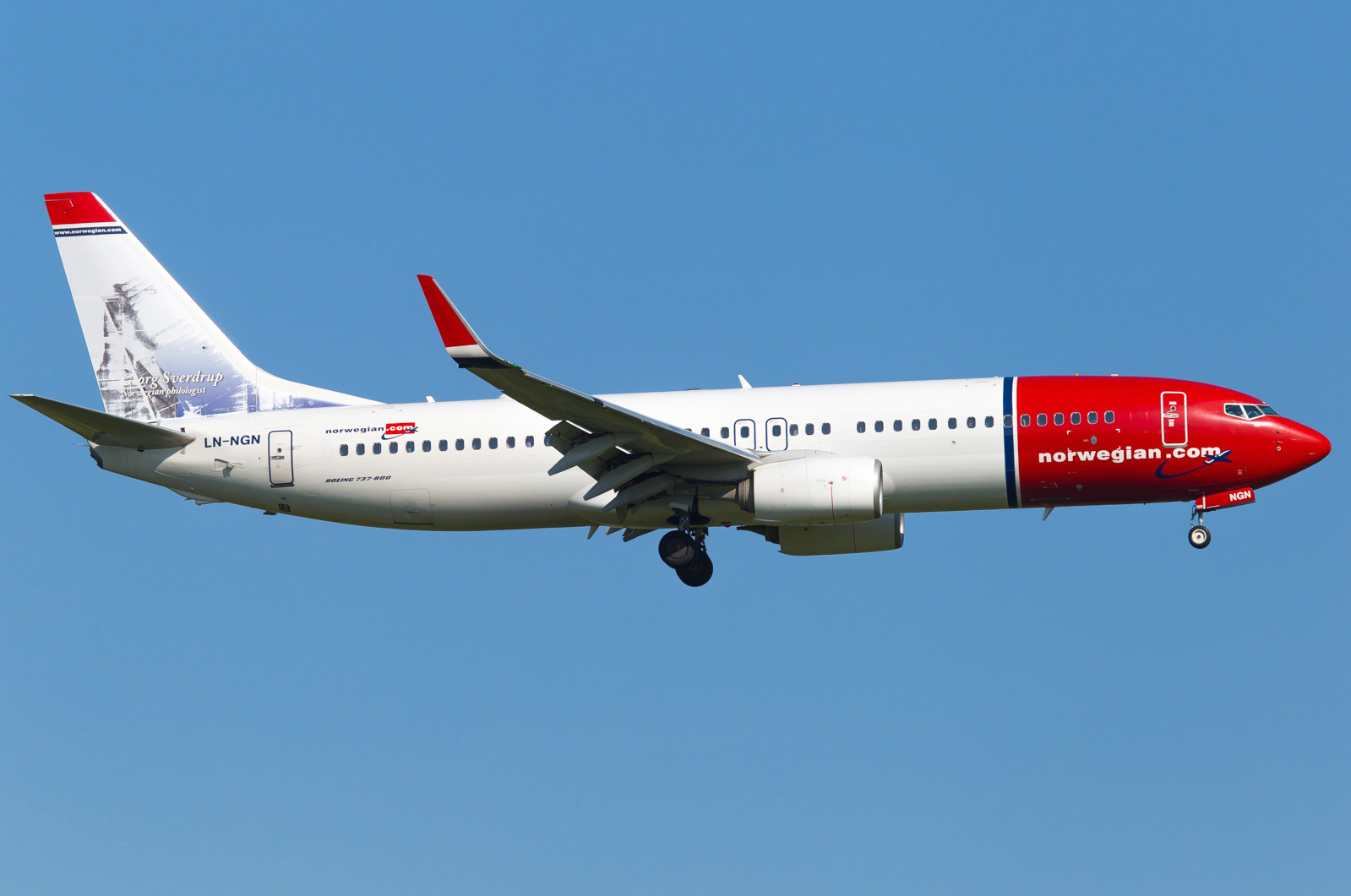
While the approval is a significant step, the new airlines must still meet operational requirements, including local partnerships or code-sharing agreements—a common condition for foreign carriers in Brazil. The last major foreign entry, Norwegian Air Shuttle’s expansion in 2019, faced delays due to compliance issues, though it eventually became a key player in transatlantic routes.
Domestic airlines have expressed cautious optimism. LATAM, which operates over 1,000 weekly flights in Brazil, stated in a regulatory filing that it “welcomes increased competition” while emphasizing the need for fair market access. Azul, Brazil’s second-largest carrier by passengers, has not yet commented publicly but has historically pushed for deregulation to spur growth.
What Happens Next for Passengers and Investors
The new airlines are expected to launch operations within six months, pending final regulatory clearances. For investors, the development could signal a shift in Brazil’s aviation landscape, particularly if the carriers introduce low-cost models or new routes. Analysts at a Frankfurt-based aviation consultancy project that the move could boost Brazil’s market share in Latin American air travel by up to 5% within two years, assuming no major disruptions.

Passengers may see immediate benefits in the form of more flight options, though experts warn that fare wars could lead to temporary volatility. “The key will be whether these new players can sustain operations without relying on deep subsidies,” said the transport economist, referencing past cases where foreign airlines struggled to turn a profit in Brazil’s high-cost market.
Broader Economic Implications
Beyond aviation, the approval underscores Brazil’s efforts to modernize its regulatory environment, a priority for President Luiz Inácio Lula da Silva’s administration. The government has targeted infrastructure sectors—including ports and energy—as growth drivers, and aviation is seen as a complementary area for foreign direct investment.
For now, the focus remains on whether the new carriers can navigate Brazil’s complex operational landscape. If successful, the move could set a precedent for future foreign entries, potentially accelerating the diversification of Brazil’s air travel market.
