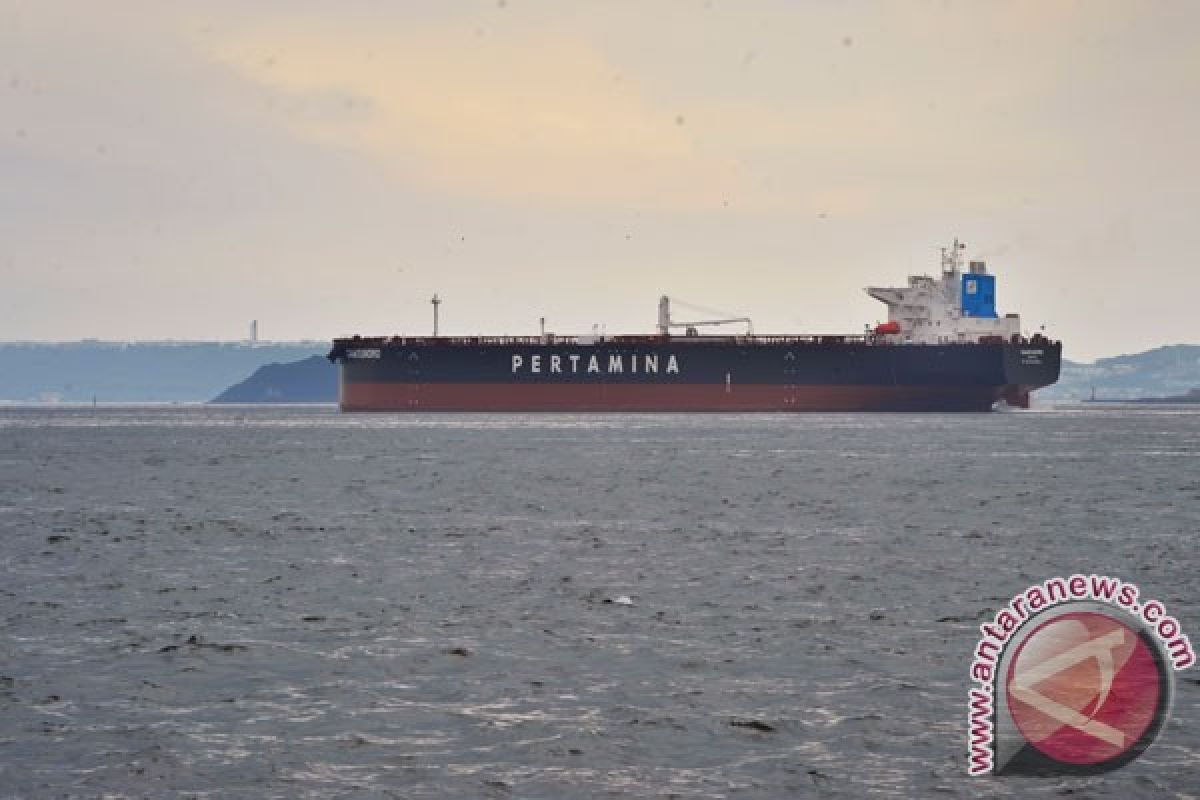
Indonesia turns to African oil amid Strait of Hormuz tensions – ANTARA News
Indonesia is diversifying its crude oil imports by strengthening energy and trade ties with Sub-Saharan African nations to mitigate supply risks caused by volatility in the Strait of Hormuz. According to reports from ANTARA News and Tempo.co, this strategic shift aims to ensure national energy security as geopolitical tensions in the Middle East threaten traditional shipping routes and price stability.
Why is Indonesia diversifying its oil sources toward Africa?
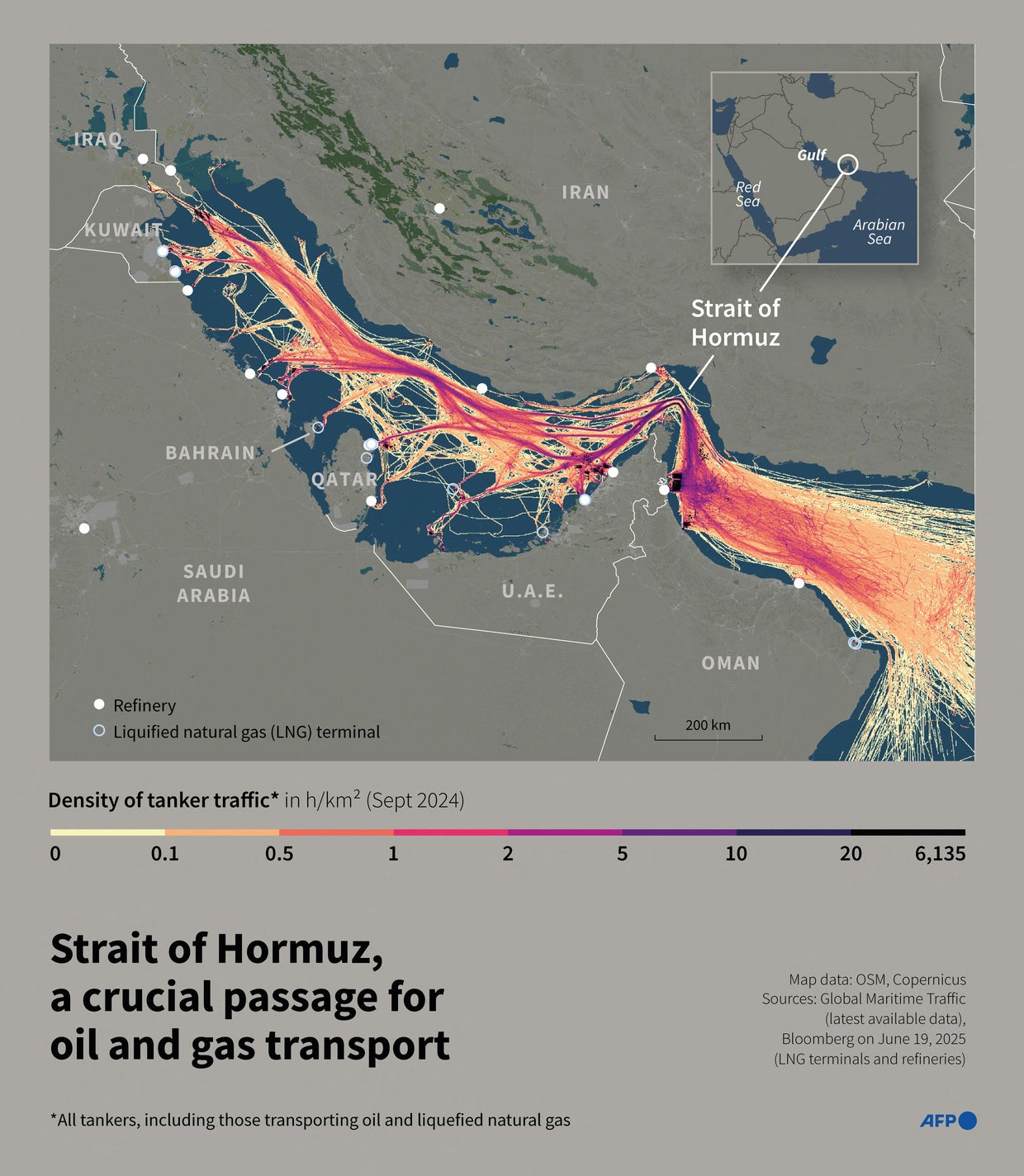
The primary driver for this shift is the precarious nature of the Strait of Hormuz, a narrow waterway that serves as the world’s most important oil chokepoint. According to ANTARA News, Indonesia is increasingly concerned that continued tensions in this region could disrupt the flow of crude oil, leading to supply shortages or extreme price spikes. Because a significant portion of Indonesia’s energy imports historically originates from the Middle East, any closure or conflict in the Strait poses a direct threat to the Indonesian economy.
Beyond the immediate geopolitical risk, Indonesia faces internal energy pressures. Tempo.co reports that the country is grappling with mounting energy challenges, specifically a widening gap between domestic oil production and national consumption. As local wells age and production declines, the reliance on imports has grown. Diversifying the origin of these imports is no longer a preference but a necessity for stability.
Key risks associated with the current supply chain include:
- Geopolitical Volatility: Conflict between regional powers in the Persian Gulf.
- Shipping Bottlenecks: Dependence on a single, narrow transit point (Hormuz).
- Price Sensitivity: High exposure to Middle Eastern market fluctuations.
How is Indonesia expanding trade partnerships in Sub-Saharan Africa?
The Indonesian government is not merely looking for new suppliers but is pursuing a broader economic strategy. According to ANTARA News, Indonesia is expanding trade partnerships across Sub-Saharan Africa to create a more resilient network of allies and trading partners. This approach involves moving beyond simple buyer-seller relationships toward comprehensive investment ties.
The Peoples Gazette Nigeria reports that Indonesia is actively seeking investment opportunities and trade agreements within the region. This strategy involves several layers of engagement:
- Direct Energy Procurement: Negotiating crude oil contracts with African producers to reduce the percentage of oil passing through the Strait of Hormuz.
- Investment in Infrastructure: Exploring opportunities for Indonesian state-owned enterprises to invest in African energy infrastructure.
- Non-Oil Trade: Increasing the export of Indonesian manufactured goods and palm oil to African markets to balance trade deficits.
“Indonesia seeks trade, investment ties with sub-Saharan Africa,” reports the Peoples Gazette Nigeria, highlighting the move toward a more integrated economic partnership.
This shift reflects a broader “South-South cooperation” framework, where developing nations collaborate to reduce their dependence on traditional Western or Middle Eastern economic hubs.
What are the specific energy challenges facing Indonesia?
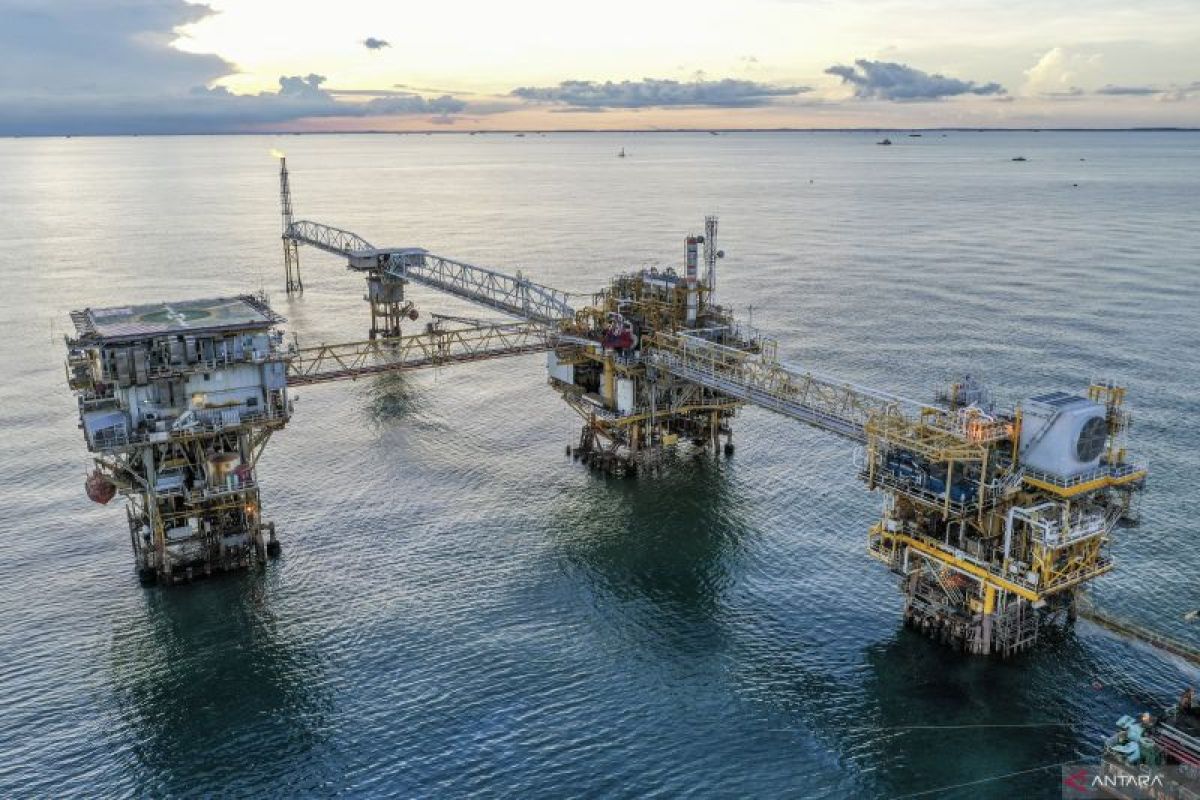
The pivot to African oil is a response to a systemic crisis in Indonesia’s energy sector. Tempo.co highlights that “energy challenges mount” as the country struggles to maintain its oil lifting capacity. For decades, Indonesia was a member of OPEC, but declining reserves forced it to leave the organization in 2008.
The current challenge is two-fold: a decrease in the discovery of new large-scale oil fields and a steady increase in demand driven by industrialization and population growth. This creates a structural deficit. When this deficit is paired with the instability of the Strait of Hormuz, the risk of an energy crisis becomes acute.
| Risk Factor | Middle East Supply Chain | Sub-Saharan African Supply Chain |
|---|---|---|
| Transit Risk | High (Strait of Hormuz chokepoint) | Lower (Multiple Atlantic/Indian Ocean routes) |
| Political Stability | High Volatility (Regional conflicts) | Variable (Country-specific risks) |
| Supply History | Established, high-volume | Emerging, diversifying |
By integrating African oil into its mix, Indonesia creates a hedge. If the Strait of Hormuz is blocked, the country will have existing contracts and shipping lanes established with African producers, preventing a total collapse of the energy supply.
Who are the key stakeholders in this strategic shift?
The transition toward African energy sources involves a complex network of government bodies and international partners. On the Indonesian side, the Ministry of Energy and Mineral Resources and the Ministry of Trade are lead coordinators in identifying viable partners in Africa.
In Africa, the stakeholders include national oil companies (NOCs) in Sub-Saharan nations and regional trade blocs. The Peoples Gazette Nigeria suggests that Nigeria, as a major oil producer, is a central figure in these discussions. Other nations in the Sub-Saharan region with significant reserves are also being targeted for trade expansion.
The goals of these stakeholders differ slightly:
- Indonesia: Seeks energy security, price stability, and new markets for its exports.
- African Nations: Seek foreign direct investment (FDI), technology transfer for oil extraction, and diversified export markets to reduce reliance on the US, China, or Europe.
- Shipping Companies: Must adapt to new routes that bypass the Persian Gulf in favor of the Cape of Good Hope or other Indian Ocean paths.
What are the long-term implications of Indonesia’s pivot to Africa?
The decision to turn to African oil is more than a short-term fix for Middle Eastern tensions; it represents a realignment of Indonesia’s foreign policy and economic strategy. By establishing deep ties with Sub-Saharan Africa, Indonesia is positioning itself as a leader among the Global South.
One major implication is the potential for increased investment in African refineries and extraction technology. If Indonesia provides the capital and technical expertise to help African nations maximize their output, it secures a more reliable and potentially cheaper long-term supply of crude.
However, this strategy is not without risks. Moving oil from Sub-Saharan Africa to Southeast Asia involves longer shipping distances compared to the Gulf states. This increases transportation costs and the carbon footprint of the supply chain. Furthermore, some African nations face their own internal political instabilities, which could replace one set of risks with another.
To manage these risks, Indonesia is focusing on “trade partnerships” rather than just “oil purchases.” By diversifying the types of goods traded—such as agricultural products and machinery—Indonesia ensures that the relationship remains beneficial even if oil prices fluctuate or specific supply lines are interrupted.
For more on how this fits into larger regional trends, see our related explainer on ASEAN energy security strategies.
Common misconceptions about Indonesia’s energy shift
There is a common belief that Indonesia is completely abandoning Middle Eastern oil. This is inaccurate. According to the reporting from ANTARA News and Tempo.co, the strategy is one of diversification, not replacement. The Middle East will likely remain a primary source of oil due to the sheer volume of production and existing infrastructure.
Another misconception is that this move is purely about oil. The evidence from the Peoples Gazette Nigeria indicates that the “African pivot” is a broad economic maneuver. It includes seeking investment ties and expanding general trade, meaning oil is the catalyst for the relationship, but not the only objective.
Finally, some suggest that Indonesia can solve its energy crisis simply by increasing domestic production. While the government attempts to do this, the “mounting energy challenges” cited by Tempo.co suggest that domestic growth cannot keep pace with demand in the short to medium term, making imports an absolute requirement.
Comparing the African and Middle Eastern energy corridors
When analyzing why Indonesia turns to African oil amid Strait of Hormuz tensions, it is useful to compare the two corridors from a logistics and security perspective. The Middle Eastern corridor is highly efficient but fragile. The Strait of Hormuz is a bottleneck where a single conflict could halt millions of barrels of oil per day.
In contrast, the African corridor is more dispersed. Oil leaving West Africa or East Africa has multiple exit points to the open ocean. While the voyage to Jakarta is longer, it avoids the specific geographical chokepoint that makes the Middle East supply chain so vulnerable.
This geographical advantage is a key component of Indonesia’s risk management strategy. The government is essentially trading efficiency (shorter distance) for security (diversified routes). This is a classic hedge used by nations to protect against “black swan” events in global geopolitics.
Key Points of the Strategic Pivot
- Diversification: Reducing reliance on the Strait of Hormuz to prevent energy shocks.
- Economic Integration: Using oil as a bridge to build broader trade and investment ties in Sub-Saharan Africa.
- Resource Gap: Addressing the decline in domestic oil lifting capacity.
- South-South Cooperation: Strengthening ties between developing economies to balance global influence.
Frequently Asked Questions
Why is the Strait of Hormuz a risk for Indonesia?
The Strait of Hormuz is a narrow waterway through which a vast amount of the world’s oil passes. According to ANTARA News, geopolitical tensions in this area can lead to blockades or attacks on tankers, which would disrupt Indonesia’s oil imports and cause domestic fuel prices to spike.
Which African regions is Indonesia targeting for oil?
Indonesia is focusing on Sub-Saharan Africa. Reports from the Peoples Gazette Nigeria specifically highlight Nigeria as a key partner, though the strategy encompasses a broader range of oil-producing nations across the sub-continent.
Is Indonesia stopping its oil imports from the Middle East?
No. The strategy is diversification. Indonesia continues to import from the Middle East but is adding African sources to its portfolio to ensure that it has alternatives if the primary routes are compromised.
What other trade is happening between Indonesia and Africa?
Beyond oil, Indonesia is seeking to expand investment ties and increase the export of its own products, such as palm oil and manufactured goods, to African markets to create a balanced trade relationship.
How does this affect the average Indonesian consumer?
By securing a more stable and diversified supply of oil, the Indonesian government aims to prevent sudden surges in fuel prices and ensure that energy remains available even during global geopolitical crises.
The move toward African oil marks a significant evolution in Indonesia’s approach to energy. By linking its energy security to the growth of Sub-Saharan African economies, Jakarta is attempting to insulate itself from the volatile politics of the Persian Gulf while opening new doors for economic expansion. As the country continues to navigate its domestic production decline, these international partnerships will likely become the cornerstone of its energy policy for the next decade.
