Motorists in holiday destinations are being targeted by a social engineering scam involving banknotes placed on car windshields, according to reports from multiple European media outlets. The tactic uses a 50-euro note to lure drivers into a fraudulent encounter, while police in Vietnam have foiled separate fraud schemes involving fake holiday contracts.
How the Windshield Money Bait Works
Reports from Racing.nl and De Telegraaf warn drivers not to touch banknotes, specifically 50-euro notes, found resting on their vehicle windshields. This method is a form of “baiting,” a social engineering technique where a perceived reward is used to manipulate a victim into a specific action.

According to the reports, the banknote serves as a hook to initiate contact between the driver and the scammer. While the provided sources do not detail the final stage of the theft, they explicitly advise motorists to avoid touching the money to prevent falling victim to the scheme.
Police Intervene in Vietnam Holiday Contract Fraud
In a separate regional development, police in the Hanh Phuc municipality of Vietnam identified and stopped a fraud operation, according to the Cao Bang online newspaper. This scheme differed from the baiting tactics seen in Europe, instead utilizing deceptive documentation.
The perpetrators operated by disguising their fraud as “holiday contracts.” According to local reports, the police successfully disrupted the practice before further victims were affected.
Contrasting Social Engineering Tactics
These incidents highlight two distinct approaches to social engineering: immediate physical baiting and document-based deception. The windshield scam relies on a low-friction, high-impulse lure (cash) to create an immediate interaction. In contrast, the Hanh Phuc operation used the perceived legitimacy of a “contract” to build a false sense of security and formal agreement.
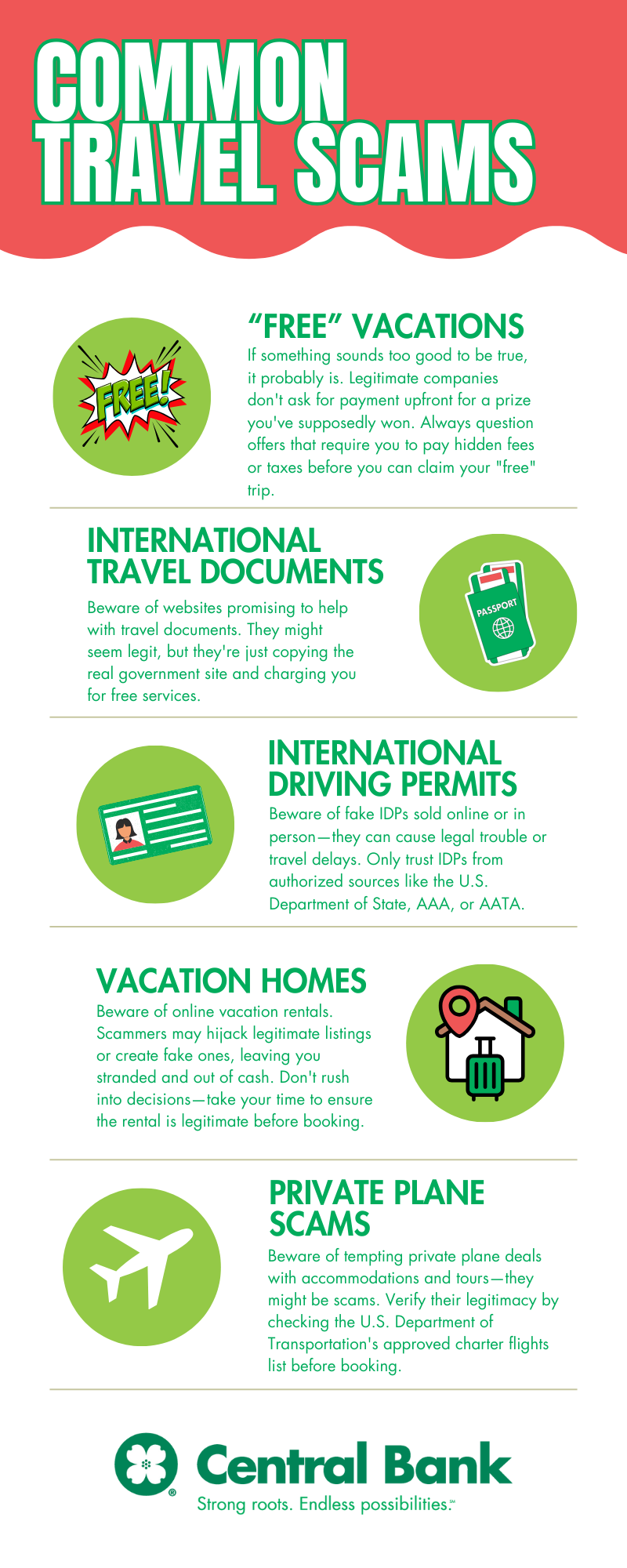
Both methods exploit the psychological state of travelers, who are often more susceptible to unexpected “finds” or opportunistic travel offers while away from their home environments.
