The Federal Reserve maintained current interest rates in its latest session, according to reports from Het Financieele Dagblad and bnr.nl. The central bank provided no indication of upcoming rate cuts and disregarded pressure from Donald Trump, while markets now focus on an upcoming debut speech by new Fed official Warsh.
- Fed Policy: Interest rates remain unchanged with no hints of future reductions.
- AEX Performance: Semiconductor firms ASML and ASMI drove the Dutch index to a positive close.
- Market Trends: US stocks and the dollar rose ahead of a speech by new Fed official Warsh.
- Commodities: Oil prices rebounded following a period of losses.
Why the Federal Reserve Ignored Rate Cut Pressure
The Federal Reserve opted to extend its current rate pause, according to Het Financieele Dagblad. The decision comes despite public pressure from Donald Trump for the central bank to lower borrowing costs, a move bnr.nl reports the Fed ignored.
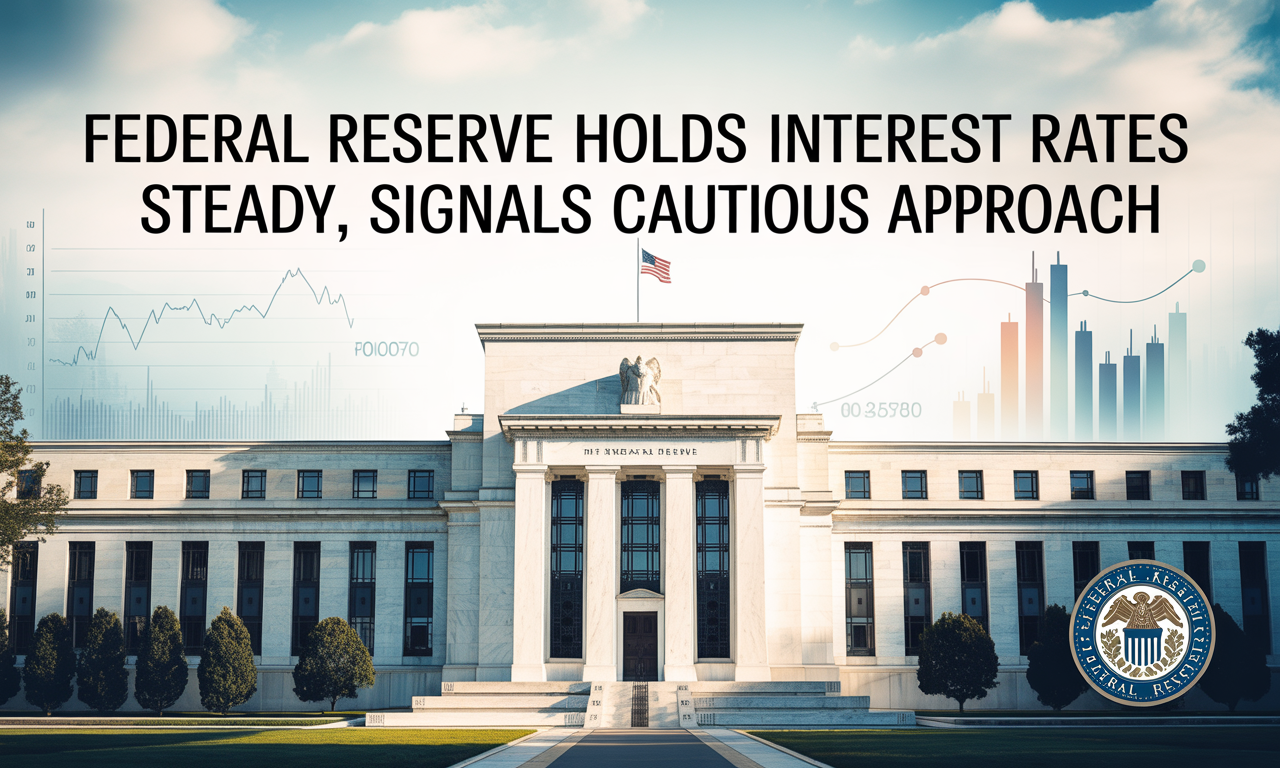
By withholding hints about future rate cuts, the Fed maintains a neutral stance. In practical terms, this means borrowing costs for mortgages, business loans, and corporate credit remain at their current levels, as the central bank avoids committing to a timeline for easing monetary policy.
How Semiconductor Stocks Lifted the AEX
While European markets remained divided around midday, according to Beurs.nl, the Amsterdam Exchange (AEX) managed a positive close. De Telegraaf reports that this upward movement was primarily driven by gains in ASML and ASMI.
The influence of these two semiconductor equipment manufacturers often dictates the direction of the AEX due to their high market capitalization. Their performance suggests a resilience in the chip-sector appetite even as broader European indices struggled for a clear direction.
What Investors Expect from the Debut of Warsh
Wall Street is currently positioning itself for the debut appearance of new Fed official Warsh, according to De Telegraaf. IEX.nl reports that both US stocks and the dollar ticked higher in anticipation of his speech.
Investors typically analyze the first public statements of new Federal Reserve leadership for clues on “hawkish” or “dovish” tendencies. A hawkish tone suggests a preference for higher rates to fight inflation, while a dovish tone signals a willingness to lower rates to support economic growth.
Oil Prices and Commodity Recovery
Energy markets saw a shift in momentum as oil prices recovered from previous losses, according to IEX.nl. This rebound follows a period of decline, though the reports do not specify the exact catalyst for the recovery.
