How Indonesia and Saudi Arabia Aim to Boost Tourism Ties
Indonesia and Saudi Arabia are expanding tourism cooperation to transition their relationship from a primary focus on religious pilgrimage to a broader leisure and business exchange. According to reports from Tempo.co, this strategic shift involves easing visa requirements, increasing direct flight connectivity, and promoting non-religious destinations to diversify the economic contributions of travel between the two nations.
How are Indonesia and Saudi Arabia Increasing Tourism Exchanges?
The two governments are prioritizing the removal of bureaucratic barriers to make travel more accessible for citizens of both countries. According to official goals cited by Tempo.co, the primary mechanism for this growth is the simplification of visa processes. By implementing more efficient e-visa systems and exploring visa-on-arrival options, both nations aim to reduce the friction that has historically limited leisure travel.
Flight connectivity serves as the second pillar of this initiative. Reports indicate that increasing the frequency and number of direct routes between major Indonesian cities and Saudi hubs is critical. Currently, the majority of flights are timed to coincide with the Hajj and Umrah seasons. The new strategy focuses on year-round scheduling to encourage tourists to visit for reasons other than spiritual obligations.
Joint marketing campaigns are also being developed. These initiatives aim to introduce Saudi tourists to Indonesia’s diverse landscapes beyond the traditional hubs, while Indonesians are being encouraged to explore Saudi Arabia’s emerging luxury and cultural sites. The cooperation focuses on three key areas:
- Visa Facilitation: Digitizing applications and reducing processing times for tourist visas.
- Aviation Expansion: Negotiating more flight slots and encouraging private carriers to operate direct routes.
- Destination Diversification: Creating curated travel packages that blend religious visits with leisure exploration.
The Role of Saudi Vision 2030 in Regional Travel
The push to attract Indonesian tourists is a central component of Saudi Arabia’s “Vision 2030” program. According to Saudi government frameworks, Vision 2030 is a comprehensive blueprint intended to reduce the kingdom’s dependence on oil by diversifying its economy. Tourism is identified as a primary growth sector in this plan.
Saudi Arabia is investing billions of dollars into “giga-projects” designed to attract international visitors. These include the development of NEOM, a futuristic city in the northwest, and the Red Sea Project, which focuses on luxury sustainable tourism. For Indonesia, this represents an opportunity to send more high-spending leisure travelers to the region. According to reports, Saudi Arabia views Indonesia—the world’s most populous Muslim-majority nation—as a critical market for achieving its target of 100 million annual visitors by 2030.
The Saudi strategy involves repositioning the kingdom not just as the custodian of the Two Holy Mosques, but as a global destination for adventure, history, and luxury. This requires a shift in perception among Indonesian travelers, who have traditionally viewed the kingdom solely through the lens of pilgrimage.
Moving Beyond Hajj and Umrah: The Shift to Leisure Tourism
For decades, the tourism link between Jakarta and Riyadh has been almost exclusively religious. Millions of Indonesians travel to Saudi Arabia for Hajj and Umrah, creating a massive, seasonal flow of people. However, Tempo.co reports that both governments now see this as an underutilized economic link. The goal is to convert “pilgrims” into “tourists.”
This transition involves promoting “Halal Tourism” or “Muslim-friendly tourism.” This sector focuses on providing services that cater to Islamic requirements—such as prayer facilities and halal-certified dining—while offering standard leisure activities like shopping, sightseeing, and nature tours.
“The objective is to ensure that the visit does not end after the religious rites are completed, but extends into an exploration of the country’s heritage and natural beauty,” according to strategic goals outlined in regional tourism discussions.
In Indonesia, the government is promoting the concept of “10 New Balis.” While Bali remains the primary draw for international visitors, the Indonesian Ministry of Tourism is pushing destinations like Lake Toba, Borobudur, and Mandalika. The aim is to attract Saudi nationals who are seeking luxury retreats and nature-based tourism, diversifying the arrival points within the Indonesian archipelago.
Comparing Tourism Strategies: Indonesia vs. Saudi Arabia
While both nations seek to increase visitor numbers, their starting points and methods differ. Saudi Arabia is building an entire tourism infrastructure from the ground up, whereas Indonesia is attempting to decentralize its existing tourism success away from a single island.
| Feature | Saudi Arabia (Vision 2030) | Indonesia (10 New Balis) |
|---|---|---|
| Primary Goal | Economic diversification from oil | Reducing over-reliance on Bali |
| Core Strategy | Massive infrastructure “giga-projects” | Developing regional priority hubs |
| Visitor Target | Global luxury and adventure travelers | Diverse international and domestic markets |
| Current Strength | Religious tourism (Mecca/Medina) | Natural beauty and cultural heritage |
Infrastructure and Connectivity Challenges
Despite the political will, several structural hurdles remain. According to industry analysis, the primary challenge is the “seasonal surge” nature of current travel. Most flights between the two countries operate at peak capacity during the Hajj season but see significant drops in demand during other months. To sustain leisure tourism, airlines must find a way to maintain profitable load factors year-round.
Infrastructure within Indonesia also presents a challenge. While Bali is well-equipped for international arrivals, the “10 New Balis” often lack the luxury hotel capacity and international-standard transport links that high-net-worth Saudi travelers expect. Reports suggest that attracting Saudi investment into Indonesian hotel and resort development is a key part of the broader diplomatic strategy.
On the Saudi side, the challenge is the speed of development. Many of the sites promised under Vision 2030 are still under construction. Until these projects are fully operational, the “leisure” draw remains secondary to the religious draw. According to Tempo.co, the synchronization of project completion with marketing efforts will be vital to ensure tourists have destinations to visit once they arrive.
Potential Economic Impacts for Both Nations
The economic implications of boosted tourism ties extend beyond hotel bookings and flight tickets. For Indonesia, attracting more Saudi tourists means increasing foreign exchange earnings and creating jobs in remote provinces. By diverting visitors to the “10 New Balis,” the government can spread economic wealth more evenly across the archipelago, reducing regional inequality.
For Saudi Arabia, the influx of Indonesian leisure travelers helps stabilize the tourism economy. Relying solely on religious tourism creates volatile revenue streams tied to specific calendar dates. A steady flow of Indonesian tourists visiting the Red Sea or AlUla throughout the year provides a more consistent revenue stream.
Furthermore, this tourism boost is expected to catalyze other business sectors. Increased travel typically leads to higher bilateral trade. As Saudi businessmen visit Indonesia for leisure, they are more likely to identify investment opportunities in Indonesian agriculture, mining, and manufacturing. Similarly, Indonesian entrepreneurs may find new markets for their products within the expanding Saudi retail sector.
Key Economic Drivers in the Partnership
- Direct Foreign Investment (FDI): Saudi investment in Indonesian luxury resorts.
- SME Growth: Local Indonesian artisans and tour operators gaining access to a wealthy Saudi market.
- Aviation Revenue: Increased profitability for carriers through diversified flight schedules.
- Service Sector Expansion: Growth in Halal-certified hospitality services in both nations.
Geopolitical Context and the OIC Influence
The strengthening of tourism ties is not happening in a vacuum. Both Indonesia and Saudi Arabia are prominent members of the Organization of Islamic Cooperation (OIC). This shared religious and political identity provides a foundation of trust that facilitates economic agreements.
By strengthening these ties, Indonesia positions itself as a key partner for the Middle East in Southeast Asia. Conversely, Saudi Arabia secures a strong ally in the largest Muslim nation. This relationship allows both countries to lead the narrative on “Modern Islamic Tourism,” proving that adherence to religious values can coexist with a thriving, open, and modern tourism industry.
Analysts suggest that this partnership serves as a model for other OIC nations. If Indonesia and Saudi Arabia can successfully pivot from purely religious travel to a comprehensive leisure exchange, other nations in the region may adopt similar strategies to diversify their economies.
Common Misconceptions About the Partnership
A common misconception is that this initiative is merely an extension of Hajj and Umrah services. In reality, the goal is to create a separate, independent stream of leisure travel. While the religious connection is the “doorway,” the intent is for travelers to stay longer and visit non-religious sites.
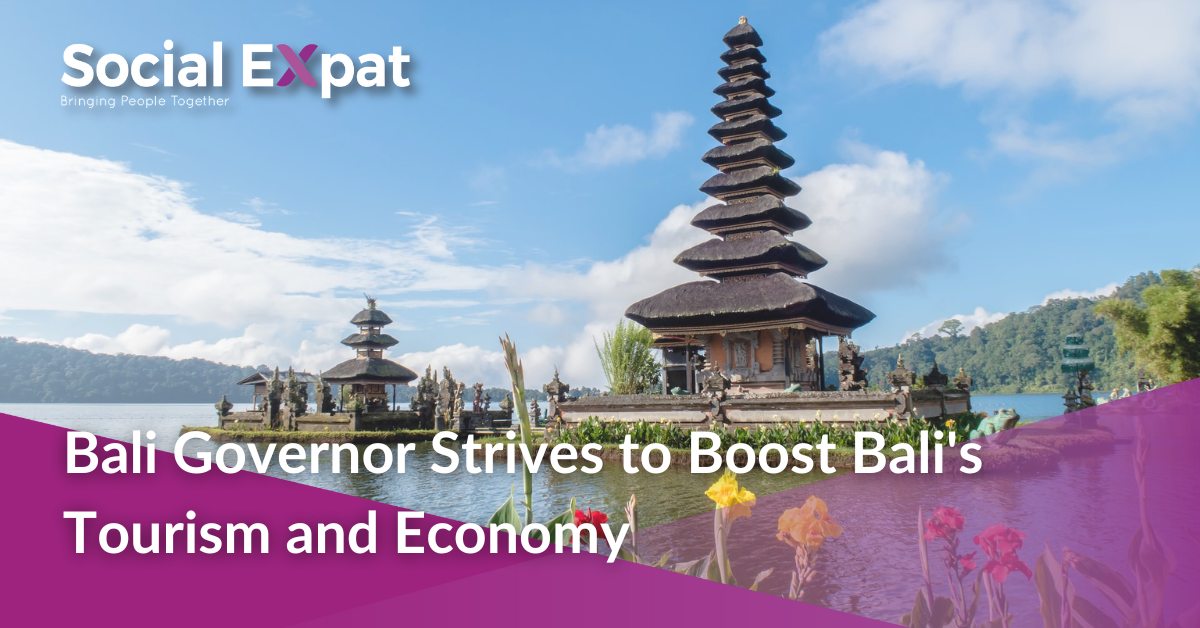
Another misunderstanding is that the “10 New Balis” are intended to replace Bali. According to Indonesian tourism officials, the goal is supplementation, not replacement. Bali will continue to be the primary gateway, but the new destinations are designed to offer different experiences—such as the volcanic landscapes of Lake Toba or the surfing beaches of Mandalika—to attract a wider variety of interests.
Finally, some believe that Saudi Arabia’s tourism push is only for Westerners. However, reports from Tempo.co indicate that the “East-to-East” connection is a priority. The Saudi government recognizes that the growing middle and upper classes in Southeast Asia, particularly in Indonesia, represent a more sustainable and culturally aligned market than the West alone.
Frequently Asked Questions
How do I apply for a tourist visa for Saudi Arabia as an Indonesian citizen?
According to recent updates, Saudi Arabia has introduced e-visas and simplified application processes to encourage tourism. Travelers should check the official Saudi visa portal for the most current requirements, as the government continues to ease restrictions for Indonesian nationals.
What are the “10 New Balis” in Indonesia?
The “10 New Balis” is a government initiative to develop ten priority tourism destinations to diversify travel. These include sites such as Borobudur, Lake Toba, Mandalika, and Labuan Bajo, aimed at reducing the pressure on Bali and spreading economic growth.
Can I visit Saudi Arabia for tourism without performing Umrah?
Yes. Under Saudi Vision 2030, the kingdom has opened its doors to leisure tourists. Visitors can now explore historical sites like AlUla, the Red Sea coast, and various museums and cultural landmarks without the requirement of performing religious rites.
Are there direct flights from Indonesia to Saudi Arabia?
While direct flights have traditionally been concentrated during the Hajj and Umrah seasons, both governments are working to increase year-round direct flight connectivity to support leisure tourism. Travelers are encouraged to check with major carriers for current schedules.
What is “Halal Tourism”?
Halal tourism refers to travel services that cater to the needs of Muslim travelers, including the provision of halal food, prayer facilities, and the absence of prohibited activities (such as alcohol or gambling) in the immediate vicinity of the tourist experience.
For more information on regional travel developments, readers may look for a related explainer on Saudi Vision 2030 or a guide to Indonesia’s priority tourism destinations.
