
Indigenous Knowledge Holds Key to Africa’s Food Security – China Daily – Global Edition: Integrating Tradition and Bioeconomy
Indigenous knowledge holds key to Africa’s food security, according to reporting by China Daily – Global Edition. By integrating traditional ecological practices with modern agricultural science, African nations can develop resilient food systems and a sustainable wood-based bioeconomy to mitigate the impacts of climate change and rising resource demand.
How does indigenous knowledge improve food security in Africa?
Traditional farming and land management techniques, developed over centuries, provide a blueprint for survival in Africa’s diverse and often harsh climates. China Daily – Global Edition reports that these indigenous systems are not merely relics of the past but are essential tools for achieving long-term food stability. These practices often prioritize biodiversity and soil health over the short-term yields associated with industrial monoculture.
Indigenous knowledge systems typically involve the use of drought-resistant crop varieties and organic soil management. According to the report, these methods allow farmers to maintain productivity during erratic rainfall patterns, which are becoming more common across the continent. By relying on seeds that have naturally adapted to local pests and weather conditions, communities reduce their dependence on expensive, imported chemical fertilizers and hybrid seeds.
Key components of this indigenous approach include:
- Intercropping: Planting multiple crop species in the same area to optimize nutrient use and provide natural pest control.
- Seed Saving: Maintaining local seed banks to preserve genetic diversity and ensure crop resilience.
- Traditional Irrigation: Utilizing ancient water-harvesting techniques to sustain crops during dry seasons.
- Agroforestry: Integrating trees into farming landscapes to prevent soil erosion and provide secondary food sources.
“Indigenous knowledge is not just about tradition; it is about a proven track record of sustainability and survival in specific ecological niches,” as indicated by the thematic focus of the China Daily – Global Edition analysis.
The integration of this knowledge into national policy is seen as a way to move away from “one-size-fits-all” agricultural models. When governments prioritize local expertise, they create food systems that are more adaptable to the specific needs of different regions, from the Sahel to the Congo Basin.
Why are Africa’s forests critical to the global bioeconomy?
Africa possesses a massive biological asset, holding approximately 15% of the world’s forests, according to data cited by Wood Central. Despite this significant share, the report notes that African forests receive disproportionately little attention in international newsrooms and global economic discussions. This lack of visibility often obscures the potential for a “wood-based bioeconomy” that could transform rural livelihoods.
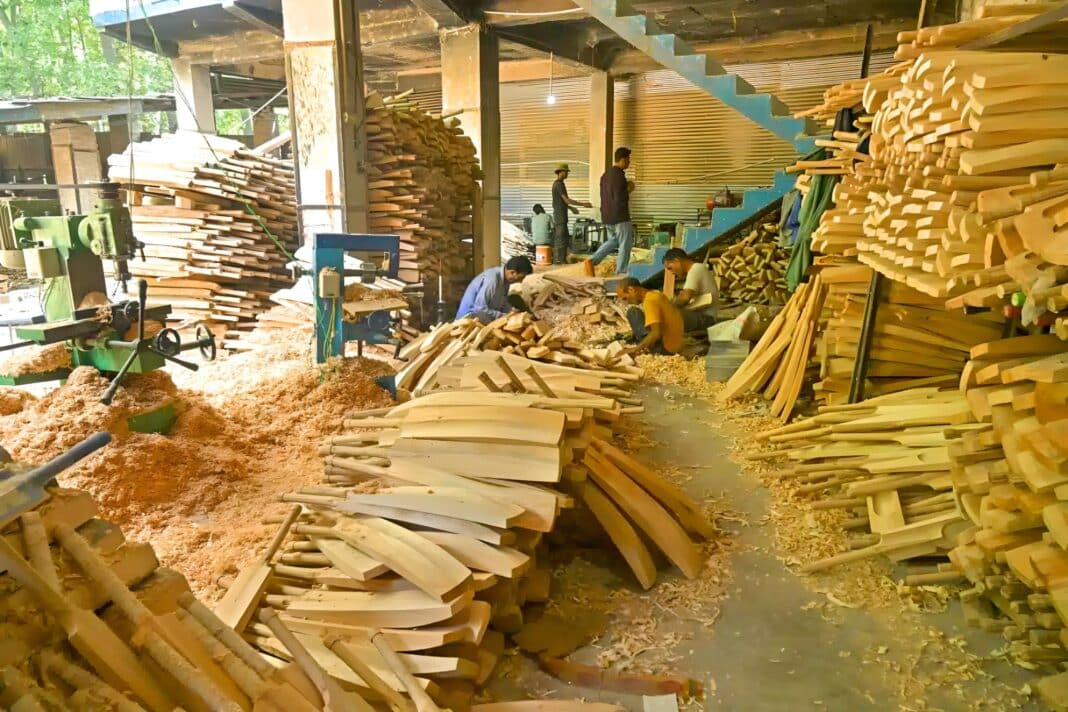
A wood-based bioeconomy involves transitioning from the simple extraction of raw timber to the creation of high-value, sustainable products. CIFOR-ICRAF Forests News emphasizes that building a resilient bioeconomy requires a shift in how forest resources are managed. Instead of clear-cutting for immediate profit, the goal is to create a circular system where forest products—ranging from sustainable timber to non-timber forest products (NTFPs)—fuel local industry.
The economic potential of this shift is substantial. By processing raw materials locally, African nations can capture more of the value chain. For example, instead of exporting raw logs, countries can produce finished furniture, sustainable packaging, or bio-based chemicals. This not only increases GDP but also creates specialized jobs in rural areas, reducing urban migration.
| Economic Model | Primary Activity | Long-term Impact | Sustainability Level |
|---|---|---|---|
| Extraction Model | Raw timber export | Deforestation, low local value | Low |
| Bioeconomy Model | Local value addition | Industrial growth, job creation | High |
| Conservation Model | Strict protection | Biodiversity preservation | Very High |
The synergy between indigenous knowledge and the bioeconomy is clear: local communities often possess the most accurate data on which species are sustainable to harvest and how to regenerate forest cover. When these communities are given ownership of the bioeconomy, the incentive shifts from exploitation to stewardship.
What are the threats to Africa’s forest resources?
While the potential for a bioeconomy is high, the reality on the ground is fraught with pressure. The Guardian Nigeria News reports that Africa’s forests are under severe strain due to a rising global and local demand for natural resources. This pressure manifests in several ways, ranging from industrial logging to the expansion of agricultural land.
One of the primary drivers of forest loss is the conversion of forest land into commercial plantations. While these plantations provide commodities for export, they often replace biodiverse primary forests with monocultures, which degrades the soil and eliminates the indigenous knowledge associated with the original ecosystem. The Guardian Nigeria News highlights that this trade-off often benefits large corporations over local smallholders.
Other critical pressures include:

- Fuelwood Demand: A significant portion of the population still relies on charcoal and firewood for energy, leading to gradual forest degradation.
- Infrastructure Expansion: Road building and mining operations fragment forest habitats, making them more susceptible to illegal logging.
- Climate Instability: Increased frequency of wildfires and droughts weakens forest resilience, making it harder for indigenous species to recover.
The danger of these pressures is that they destroy the very “library” of indigenous knowledge that China Daily – Global Edition identifies as the key to food security. When a forest is lost, the knowledge of its medicinal plants, its soil-enriching properties, and its role in regulating local microclimates vanishes with it.
Comparing the perspectives of different reports reveals a tension: while Wood Central points to the massive scale of the asset (15% of global forests), The Guardian Nigeria News warns that this asset is being liquidated for short-term gain. This contrast underscores the urgency of moving toward the bioeconomy model suggested by CIFOR-ICRAF.
How can biodiversity value chains drive rural development?
Beyond timber and traditional farming, there is a growing opportunity in “biodiversity value chains.” Travel And Tour World reports that these chains can drive tourism growth, enhance rural livelihoods, and support sustainable development across key ecosystems and hotspots. A biodiversity value chain refers to the process of turning biological diversity into economic value without destroying the resource itself.
Tourism is a primary example of this. Eco-tourism and community-led wildlife tours allow rural populations to earn an income from the existence of a healthy forest or savannah. According to Travel And Tour World, when local communities see a direct financial link between biodiversity and their income, they are more likely to protect these areas from illegal logging or poaching.
However, the benefits of biodiversity value chains extend beyond tourism:
- Specialty Crops: The commercialization of indigenous “superfoods” (such as baobab, moringa, or fonio) allows farmers to access global markets while preserving traditional crops.
- Sustainable Harvesting: The sale of wild-harvested resins, nuts, and medicinal plants provides a steady income stream for forest-dwelling communities.
- Carbon Credits: Through international programs, communities can be paid to keep forests standing, turning carbon sequestration into a viable economic product.
The success of these chains depends on the “value addition” mentioned in the bioeconomy model. If a community sells raw baobab fruit, they receive a small fraction of the final price. If they process it into powder or oil locally, the economic return to the village increases significantly. This shift transforms the rural economy from one of subsistence to one of sustainable entrepreneurship.
For those interested in how these economic shifts affect regional stability, a related explainer on African economic diversification may provide further context on the transition from commodity-dependence to value-added industries.
The intersection of knowledge, forests, and food security
The connection between these various reports is the concept of ecosystem services. Indigenous knowledge is the tool used to manage these services. Forests provide the water regulation, pollination, and soil nutrients necessary for food security. When these forests are managed through a bioeconomy lens, they provide the financial resources needed to invest in better agricultural technology.
A critical misconception is that “indigenous knowledge” is opposed to “modern science.” In reality, the most successful models are hybrid. For example, using satellite imagery to map forest cover (modern science) while using traditional knowledge to determine which areas are most sensitive to disturbance (indigenous knowledge) creates a more effective conservation strategy.
The failure to recognize this intersection has led to several policy errors in the past:
- Top-down Conservation: Creating “protected areas” by removing indigenous people, which often leads to increased poaching and forest degradation because the traditional stewards are gone.
- Industrial Agriculture: Forcing farmers to use synthetic fertilizers that provide a short-term boost but destroy the soil microbiome over a decade.
- Raw Material Export: Treating forests as “mines” for timber rather than renewable assets for a bioeconomy.
By aligning the goals of food security, forest preservation, and economic growth, African nations can create a closed-loop system. In this system, the forest protects the farm, the farm feeds the people, and the bioeconomy provides the capital to maintain both.
Frequently Asked Questions
What is the relationship between indigenous knowledge and food security?
Indigenous knowledge includes traditional farming techniques, such as using drought-resistant seeds and intercropping, which make food systems more resilient to climate shocks. According to China Daily – Global Edition, this knowledge is essential for ensuring stable food supplies in Africa’s varied environments.
How much of the world’s forests are in Africa?
According to Wood Central, Africa holds approximately 15% of the world’s forests. However, the report notes that this significant ecological asset is often overlooked in global news and economic planning.

What is a wood-based bioeconomy?
As detailed by CIFOR-ICRAF, a wood-based bioeconomy is an economic model that moves away from the simple extraction of raw timber toward the sustainable production of high-value, bio-based products processed locally to create jobs and increase GDP.
What are biodiversity value chains?
Biodiversity value chains are economic systems that derive value from biological diversity without destroying it. Examples include eco-tourism and the sustainable commercialization of indigenous superfoods, which Travel And Tour World suggests can enhance rural livelihoods.
Why are African forests currently under pressure?
The Guardian Nigeria News reports that rising demand for natural resources, the expansion of commercial agricultural plantations, and the need for fuelwood are the primary drivers of forest degradation across the continent.
The path toward food security in Africa requires a fundamental shift in how the continent views its natural and intellectual assets. The evidence suggests that the solution is not found in importing external models, but in scaling the indigenous knowledge that has already sustained millions for generations. By protecting the 15% of global forests it holds and transitioning to a high-value bioeconomy, Africa can secure both its environmental future and its food supply.
