
Woman Arrested Over Importation and Supply of Fantasy in Nelson – 1News
New Zealand Police have arrested a woman in Nelson facing charges related to the importation and supply of a drug mixture known as “fantasy.” The arrest follows an investigation into the movement of illicit substances into the Tasman region, according to police reports. The suspect is alleged to have coordinated the entry of these substances into the country for subsequent distribution within the local community.
Details of the Nelson Drug Arrest
Police officials confirmed the arrest of a woman in Nelson following a targeted operation aimed at disrupting the supply of synthetic drug cocktails. The suspect faces multiple charges under the Misuse of Drugs Act, specifically focusing on the importation of controlled substances and the intent to supply them to others.
According to investigators, the operation involved monitoring shipments and intelligence gathering to track the origin of the “fantasy” drugs. While the specific volume of the seized substances has not been publicly detailed in every court filing, the charges of importation suggest a scale that exceeds simple personal use. This distinction is critical in New Zealand law, as importation carries significantly heavier penalties than possession.
The arrest is part of a broader effort by regional police to curb the rise of synthetic mixtures in smaller urban centers. Nelson, while often viewed as a quiet coastal city, has become a point of interest for authorities tracking the flow of narcotics from international sources into the South Island.
- Primary Charge: Importation of a Class A or B controlled drug.
- Secondary Charge: Supply or possession for supply of “fantasy.”
- Location: Nelson, New Zealand.
- Enforcement Agency: New Zealand Police.
What is “Fantasy” and Why is it Dangerous?
In the context of New Zealand’s illicit drug market, “fantasy” is not a single chemical compound but a “cocktail” or mixture of different psychoactive substances. According to drug harm-reduction reports, fantasy typically combines a stimulant with a dissociative or a hallucinogen.
The most common composition of fantasy includes a mix of MDMA (ecstasy) and ketamine. However, the danger of these mixtures lies in their inconsistency. Because these drugs are produced in clandestine labs, the ratio of ingredients varies wildly between batches. A user may ingest a dose that is heavily weighted toward ketamine, leading to sudden dissociation or unconsciousness, or a dose high in MDMA, which can cause severe hyperthermia and cardiovascular stress.
“The unpredictability of mixed-drug cocktails like ‘fantasy’ increases the risk of adverse reactions, as the synergistic effects of combined stimulants and dissociatives can overwhelm the central nervous system,” according to public health guidelines on synthetic drug use.
The Physiological Impact of Combined Substances
When MDMA and ketamine are combined, the body experiences two opposing forces. MDMA increases heart rate and body temperature, while ketamine can cause a detachment from physical sensation. This can mask the warning signs of a drug overdose, such as extreme overheating or tachycardia, until the situation becomes a medical emergency.
Health professionals note that the addition of other “fillers” or synthetic cannabinoids to these mixtures further complicates the clinical picture for emergency responders. The lack of quality control in the importation process means that “fantasy” often contains contaminants that can lead to long-term neurological damage or acute organ failure.
How Drug Importation Works in New Zealand
The charges against the woman in Nelson highlight a persistent vulnerability in New Zealand’s borders: the reliance on international postal and courier services. According to New Zealand Customs Service reports, a significant portion of synthetic drugs enter the country via small-parcel mail, often disguised as commercial goods or personal gifts.
The process of importation typically follows a specific pattern:
- Sourcing: The importer contacts a supplier, often based in East Asia or Europe, via encrypted messaging apps.
- Payment: Transactions are frequently handled through cryptocurrency to avoid the detection of traditional banking monitors.
- Shipping: The drugs are vacuum-sealed and hidden within legitimate products to evade X-ray detection and drug-sniffing dogs.
- Distribution: Once the package clears customs and arrives at a residential address, the importer breaks the bulk shipment into smaller quantities for local supply.
The Nelson arrest suggests that police have successfully infiltrated or monitored one of these supply chains. By focusing on the importation stage, authorities can remove larger quantities of drugs from the street before they are diluted and distributed to hundreds of individual users.
Legal Consequences Under the Misuse of Drugs Act 1975
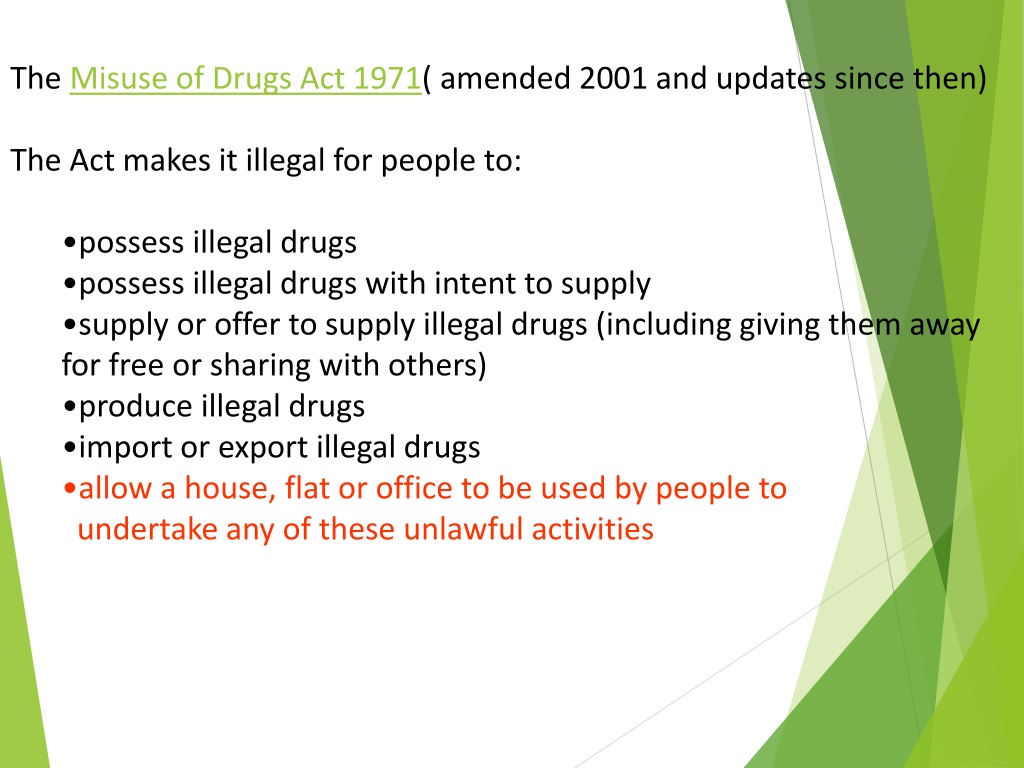
The legal framework governing this case is the Misuse of Drugs Act 1975. This act categorizes drugs into classes based on their perceived harm to the community. “Fantasy,” depending on its primary ingredients (MDMA and Ketamine), typically involves Class B substances, though any inclusion of certain synthetic opioids or high-purity stimulants could push the charges into Class A territory.
Importation is treated as one of the most serious offenses under the Act. The law views the act of bringing drugs into the country as a “gateway” crime that enables widespread addiction and organized crime.
| Charge Type | Typical Classification | Potential Legal Outcome |
|---|---|---|
| Possession | Class B | Fines or short-term imprisonment. |
| Possession for Supply | Class B | Significant prison sentence; asset forfeiture. |
| Importation | Class A/B | Long-term imprisonment; high-level criminal record. |
For the woman arrested in Nelson, the “importation” charge is the most damaging. Under New Zealand law, proving that a person intentionally coordinated the arrival of a prohibited substance from overseas allows prosecutors to seek maximum sentencing, regardless of whether the drugs had already been sold.
The Impact of Synthetic Drugs on the Nelson Community
The emergence of “fantasy” and other synthetic mixtures in Nelson reflects a shift in regional drug trends. Historically, South Island drug markets were dominated by cannabis and methamphetamine. However, the rise of “party drugs” and synthetic cocktails indicates a changing demographic of users and a more sophisticated supply network.

Local health providers have expressed concern over the increase in hospital admissions related to synthetic drug reactions. Unlike traditional narcotics, the effects of fantasy can be erratic, leading to unpredictable behavior and an increased burden on emergency services.
Police in the Tasman region have stated that they are prioritizing the disruption of these supply chains to prevent the normalization of synthetic drug use among young adults. The arrest of a primary importer is viewed as a strategic win, as it removes the “head” of the local distribution network.
For more information on regional safety, see a related explainer on New Zealand drug laws.
Comparing Regional vs. National Drug Trends
When comparing the Nelson incident to national trends, a pattern emerges. While Auckland and Wellington remain the primary hubs for drug entry, regional centers like Nelson are increasingly being used as “satellite hubs.” Importers may send shipments to regional addresses to avoid the higher scrutiny placed on packages arriving in major cities.
Data from the New Zealand Drug Foundation suggests that the diversification of available drugs in regional areas is often driven by the ease of online ordering. The “fantasy” mixture is a prime example of a trend where users seek a specific “high” that combines different effects, leading importers to source multiple chemicals to create these custom blends.
The contrast between the Nelson case and typical possession arrests is stark. Most drug-related arrests in regional New Zealand involve small-scale possession. An arrest for importation indicates a level of organization and risk-taking that suggests the suspect was operating as a professional distributor rather than a casual user.
Common Misconceptions About Synthetic Drug Importation
There is a common belief that using encrypted apps and “stealth shipping” makes drug importation untraceable. However, New Zealand Police and Customs use advanced data analytics and international cooperation to flag suspicious patterns. Many arrests occur not because a package was caught, but because the pattern of shipments was flagged, leading to a controlled delivery where police allow the package to arrive to identify the recipient.
Another misconception is that “fantasy” is a safer alternative to “hard drugs” like methamphetamine. In reality, the chemical instability of these mixtures makes them potentially more dangerous in the short term due to the risk of acute toxicity and adverse drug interactions.
Key Points on Drug Importation Risks:
- Digital Footprints: Even encrypted messages can be intercepted if a co-conspirator’s device is seized.
- Controlled Deliveries: Police often wait for the suspect to take possession of the package before making an arrest to ensure a stronger legal case.
- Chemical Variance: “Fantasy” is not a standardized product; every batch is a different chemical gamble.
The Judicial Process Following the Arrest
Following the arrest in Nelson, the suspect will enter the New Zealand court system. The initial stages involve a first appearance where bail is considered. Given the charges of importation, the prosecution may argue against bail if they believe the suspect is a flight risk or likely to interfere with witnesses.

The discovery phase will involve the analysis of seized electronics—phones, laptops, and tablets—to trace the origin of the drugs and identify other members of the supply chain. This digital forensics work is often the most time-consuming part of drug trafficking cases, as police must decrypt messages and map out the network of buyers and sellers.
If the case proceeds to trial, the prosecution will rely on Customs records, surveillance footage, and potentially the testimony of other individuals involved in the distribution. If convicted, the penalties for importation and supply can result in several years of imprisonment, depending on the purity and quantity of the substances involved.
Frequently Asked Questions
What exactly is the drug “fantasy” mentioned in the Nelson arrest?
Fantasy is a slang term for a mixture of different illicit drugs, most commonly combining MDMA (a stimulant) and ketamine (a dissociative anesthetic). Because it is produced illicitly, the ingredients and concentrations vary by batch.
Why is the “importation” charge more serious than “possession”?
Under the Misuse of Drugs Act 1975, importation is viewed as a crime against the state and the public. It demonstrates a calculated effort to bring harmful substances into New Zealand, which is seen as a primary driver of the drug epidemic, whereas possession is viewed as an individual offense.
Is the use of “fantasy” increasing in New Zealand?
While specific statistics for “fantasy” as a branded mixture are rare, there is a documented increase in the use of synthetic drug cocktails and the combination of multiple Class B substances in both urban and regional areas.
How did the police catch the person importing the drugs?
While the specific methods in the Nelson case weren’t fully disclosed, drug importation arrests typically result from a combination of Customs X-ray detection, intelligence sharing with international agencies, and the monitoring of encrypted communications.
What are the potential penalties for importing drugs into Nelson?
Penalties vary based on the drug class (A, B, or C) and the quantity. Importation of Class A or B drugs can lead to significant prison sentences, heavy fines, and the seizure of assets believed to be the proceeds of crime.
The arrest in Nelson serves as a reminder of the ongoing efforts by New Zealand authorities to secure borders and disrupt the supply of dangerous synthetic mixtures. As the drug market evolves toward more complex cocktails like “fantasy,” law enforcement and health services continue to adapt their strategies to mitigate the risks to the community.
